

Avelo Bets on Suburban Airports as Fuel Costs Rise
McKinney flights expand Avelo’s suburban network as fuel pressures threaten higher fares

Avelo Airlines has extended its flight schedule through April 2027 and currently serves more than 35 destinations nationwide. On Nov. 11, the Houston-based ultra-low-cost airline is scheduled to begin commercial flights from McKinney National Airport, northeast of Dallas.
The McKinney service is intended to attract suburban travelers seeking alternatives to larger, more congested primary hubs such as Dallas/Fort Worth International Airport and Dallas Love Field. Avelo founder and Chief Executive Officer Andrew Levy has emphasized an operating model focused on secondary airports on the periphery of major urban areas, where passengers can experience reduced travel time and lower-stress airport visits.
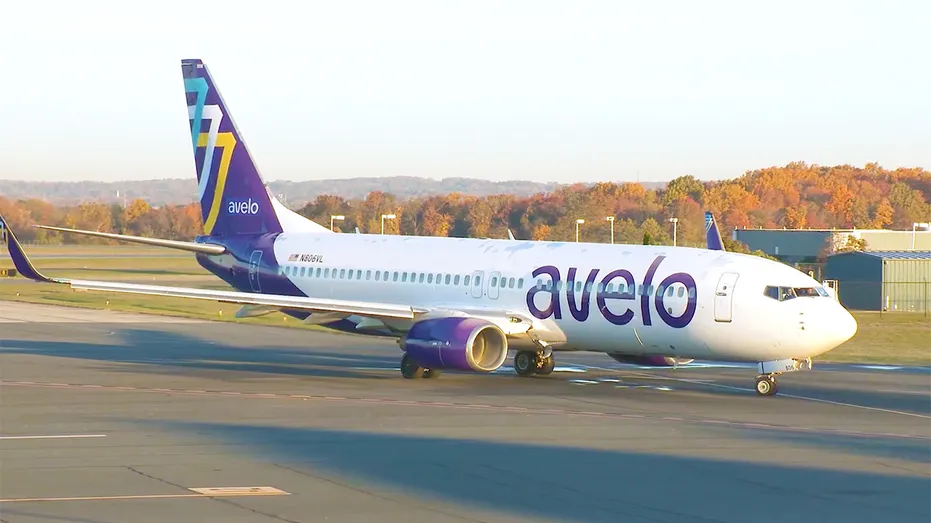


Avelo launched its initial flights in April 2021 out of Hollywood Burbank Airport in California. It has since established key bases at regional facilities including Tweed New Haven Airport in Connecticut and Wilmington Airport in Delaware, expanding its network of secondary airfields across major U.S. metropolitan markets.
Levy previously co-founded Allegiant Air and served as its president before becoming chief financial officer at United Airlines. He designed Avelo’s commercial model around the “personal traveler,” consisting primarily of leisure passengers visiting friends and family, taking vacations, or attending special events. These passengers pay for their own tickets rather than relying on corporate travel accounts.

Budget-conscious personal travelers are highly sensitive to price increases, while jet fuel traditionally represents one of the largest single operating expenses for commercial air carriers, often accounting for 25 to 35 percent of an airline’s total cost structure. Market data from the International Air Transport Association showed that the global average jet fuel price rose 9 percent in a single week to $171.01 per barrel, driven by supply concerns and maritime disruptions along Middle East shipping lanes.
Avelo is expanding its operational fleet of Boeing 737 narrowbody aircraft before taking delivery of its first Embraer E195-E2 jets. Those aircraft are scheduled to begin joining the fleet in 2028, marking a significant long-term transition in the carrier’s fleet structure and capacity planning.
Levy said jet fuel prices had temporarily moderated following the onset of Middle East conflicts earlier in the year, but recent market increases have pushed fuel costs back to uncomfortably high levels. He identified fuel management as the airline’s chief operational focus and indicated that persistent increases will ultimately require Avelo to pass a portion of those costs along to passengers through higher fares.
The airline experienced strong passenger traffic through the summer months, Levy said, even as broader economic inflation over the past several years created ongoing cost hurdles across the aviation industry. Passenger volume has remained resilient. In Europe, Ryanair Chief Executive Officer Michael O’Leary warned that airfares could increase significantly across the industry if crude oil prices remain elevated over an extended period.
Avelo expects travel demand to remain strong as it moves into the autumn and winter holiday travel seasons.