Andy Burnham NHS Winter Plan Pays GPs for Proactive Care the Contract Already Requires
The £40m is reallocated from GP budgets, not new money — and the figures match, patient for patient and pound for pound, the money practices lost when 300,000 names were struck off their lists.
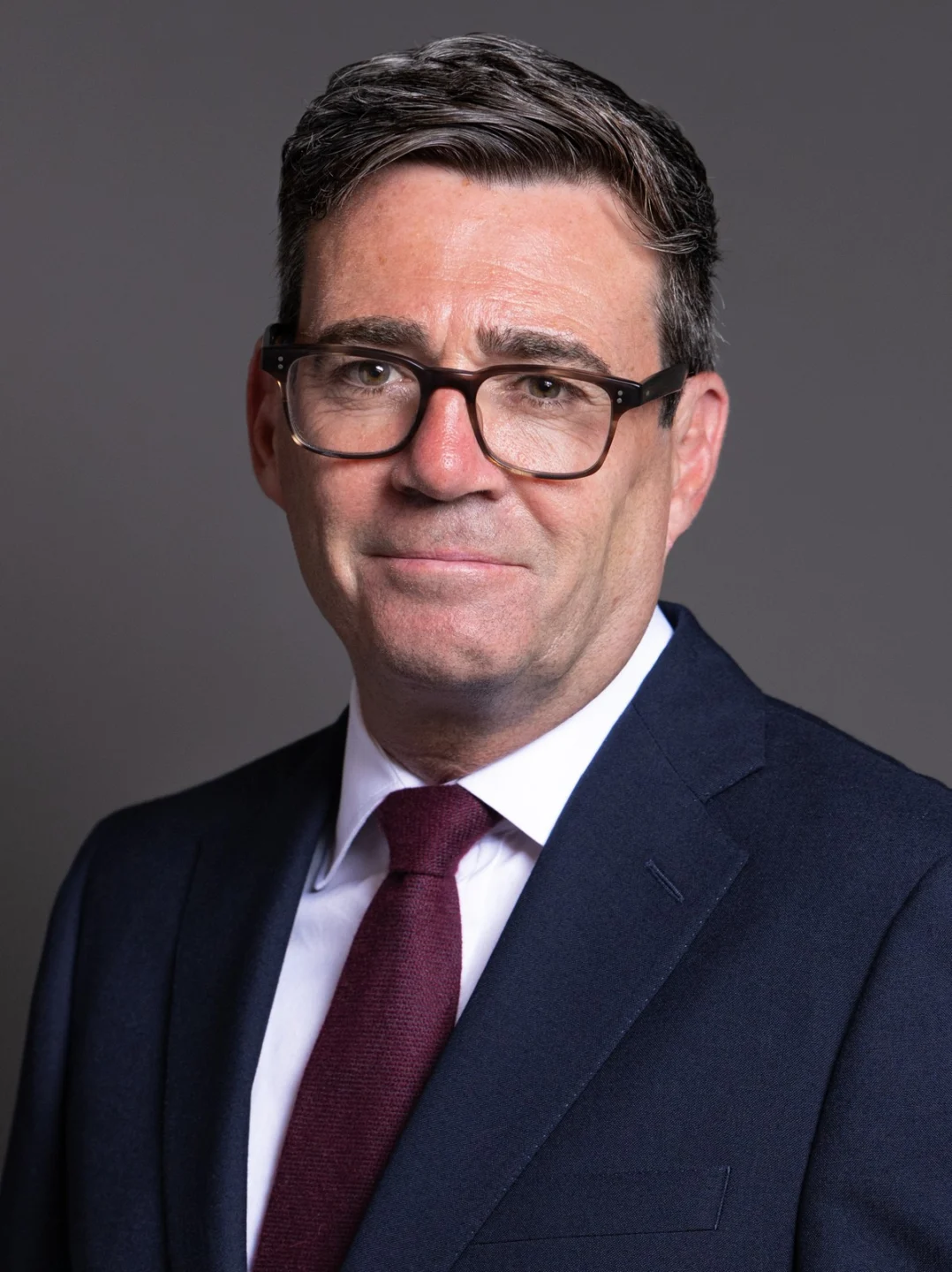
£126 is what a group of GP practices will get for each vulnerable patient they look after this winter. The money comes from the Andy Burnham NHS winter plan, a £40m scheme announced on Sunday, aimed at 300,000 people in England with heart disease, frailty or lung conditions such as COPD, who will get health checks, medication reviews and respiratory tests. “If we want to take the pressure off our hospitals this winter, we’ve got to keep people well at home,” Burnham said. “So we’re backing GPs to reach the most vulnerable people early, before a small problem turns into a trip to A&E.”
It is reallocated from existing GP budgets for 2026-27. At £126 a patient, 300,000 patients cost £37.8m, leaving £2.2m of the headline sum unaccounted for in the per-patient payments. The £126 is also £4.07 less than the £130.07 a practice receives per weighted patient per year under the 2026-27 GP contract. The winter payment for a vulnerable patient is slightly less than one patient’s annual core funding.
Eleven days earlier, the Budget gave the NHS £190m for winter pressures, and the BMJ reported that no direct share of it had been set aside for general practice. Tom Dolphin, the BMA’s chair of council, called the Budget one that “falls worryingly short” for a government claiming to put the NHS at the heart of its priorities.


The work has been a contractual duty since 2017-18, when the GP contract obliged practices to identify over-65s living with moderate to severe frailty and put a proactive care plan in place. In February, the Public Accounts Committee heard that GPs are not meeting that target. Dr Amanda Doyle, NHS England’s national director for primary care, told MPs not enough people were being formally assessed, and that of those coded as clinically frail “only a relatively small proportion are actually having the proactive interventions and being coded.” Proactive care, she said, “is not positively financially incentivised; it is counted.” Her chief executive, Sir James Mackey, put it more bluntly: “The position that we are in is not acceptable.” The contract required the work, but the work carried no payment. The £126 is the first money attached to it.
Just over a million people in England live with moderate frailty, and 450,000 more with severe frailty, according to the National Audit Office, and the true number is likely higher. The scheme covers 300,000 of them, about one in five. Among the frail, the NAO found 16% had received a medication review, 18% a falls risk assessment and 29% an enriched summary care record. There is no public sign-up and no national checklist; practices choose whom to prioritise, and 300,000 is a ceiling, not a guarantee. The Royal College of GPs welcomed the prevention focus, but its president, Prof Victoria Tzortziou Brown, said short-term initiatives alone could not deliver “sustained improvements in care” and prevention needed “sustainable investment in general practice”.
In June, the BMA said an “aggressive” list-cleansing drive had stripped more than 300,000 names from GP lists in a year, costing practices just under £40m in core funding. Its GP committee chair, Dr Katie Bramall, wrote to the minister asking what the money saved would be used for, saying it appeared to be “set aside for as yet unknown purposes”. The government has not said this £40m is that money. But the figures line up: 300,000 names at the £130.07 global sum is £39.02m. In August 2020, as mayor of Greater Manchester, Burnham warned that without changes “our poorest communities” would be “exposed to real risk of harm this winter” — the same two words he used on Sunday.
The Royal College of Emergency Medicine’s survey of A&E clinical leads found 91% very or extremely concerned about winter and 3% well prepared. The NHS recorded 99,290 instances of corridor care in September, about 3,310 patients a day and the highest monthly total since national reporting began in May. Another 50,582 patients waited more than 12 hours after a decision to admit them, and 74.4% of A&E patients were dealt with within four hours.
“First get them to answer the phone instead of you having to wait 20 to 30mins to get through to make an appointment,” Margaret Weldon wrote on the Mirror Politics post announcing the scheme. Patricia Rowles replied: “Margaret Weldon do online consultation.” The scheme’s cohort is the frail and elderly, the patients least likely to be online. Solmaz Tavsanoglu doubted the number itself: “300000 patients.. where has this number come & who has given the number” and “DON’T WASTE OUR MONEY WE ARE NOT FOOL TO BELIEVE YOU”. Colin Davies pushed back: “Why do some find this funny? Vulnerable people being looked after isn’t something to laugh about.” Four of the thirteen comments visible read the 300,000 as migrants. “Must be the 300000 immigrants,” Jim Isherwood wrote. Burnham’s pitch is that GPs will “reach the most vulnerable people early”. The patients’ answer is that the vulnerable cannot reach the GP. Cooper’s reply, in the announcement, was that there are “thousands more GPs in post and millions more GP appointments this year”.
NHS England is collecting the first full year of data for its national frailty dashboard. It has commissioned an NIHR-led evaluation of which interventions actually make a difference.