The Ocarina of Time Remake Went to Developers Who Barely Knew It. Aonuma Expected More Changes.
Aonuma stepped back and let the youngest Zelda team decide what to change. The warp points didn't survive. The jump button did.
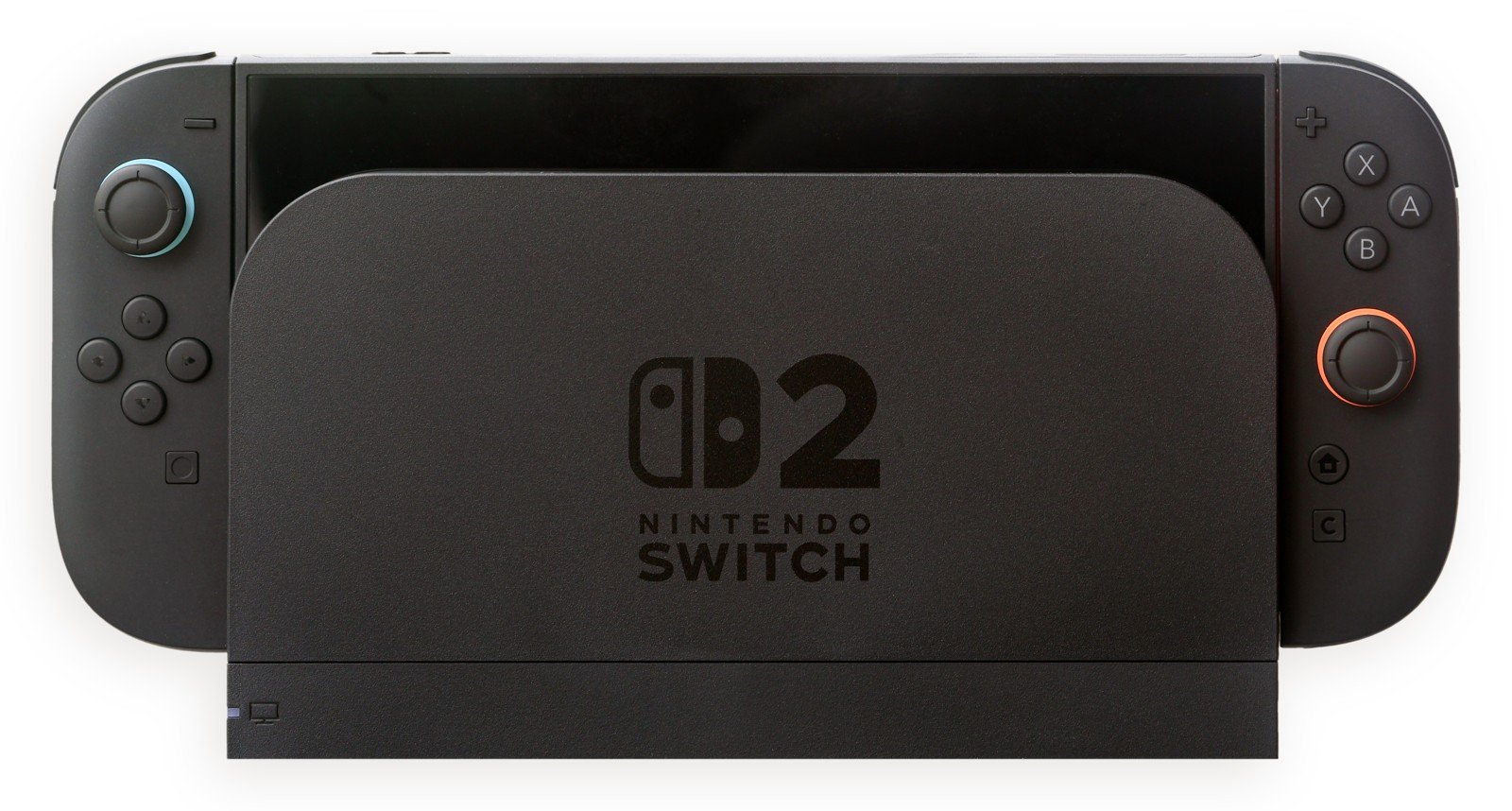
The warp points were Eiji Aonuma’s own idea, and they never made it into the game. Players of Breath of the Wild cross its world on warp points, and Aonuma, the Zelda series producer, asked the remake team to add them to Ocarina of Time, where no such shortcuts existed. The team built them. Then they played with them, and the shortcuts skipped the moments that make the game what it is, the stops along the road where a player wonders what something is. Aonuma had them all taken out again. “Even though I was the one who proposed adding warp points,” he told Nintendo’s Ask the Developer interview, “they just weren’t working for me in the end, so I got the team to take them all back out again.”
Aonuma handed the Ocarina of Time remake to the youngest Zelda team Nintendo has. It came out November 5 on Nintendo Switch 2, and he stepped back to watch what they would do with a game some of them had never played. Aya Shida, the art director, played the 1998 original for the first time after joining the project. Hiroki Taguchi, the program director, had not played it when it came out either. Aonuma wondered whether a team that had only made the recent games truly understood how significant Ocarina of Time was. He gave them the freedom to change whatever they genuinely felt needed changing, and was surprised at how little they changed. “At the beginning of development, I remember thinking, ‘they could be making more changes,'” he said. “But as the project went on, it really came across just how deeply this development team cared about the original game, far more than we had imagined.”
The original had no jump button at all. Link hopped off ledges automatically, and the remake lets him jump anywhere with a button press, which sounds small until the team had to rebuild the ground under it. Young Link and Adult Link now jump slightly different distances, so every gap had to be measured twice. The Jump Attack, the leaping sword strike, first followed the Breath of the Wild method, jump and then attack in mid-air, and Aonuma could not get the hang of it. “This just doesn’t feel as satisfying as the original Jump Attack,” he told the team, and they put the single-button version back in alongside the new one. Both control schemes shipped. The roll stayed too, and holding the button adds a dash. One player on Reddit, Radbot13, is still fighting the change a day after launch: “Loving the remake, but keep thinking link will auto jump when he obviously doesn’t. Wish it was an option to have new jump, original, or combined.”

Aya Shida set the look of the game with two phrases the team used early in development: “a puppet-show feel” and “the analog feel of practical effects films.” The Switch 2 could have made Hyrule photorealistic, and the team decided against it, on the grounds that puppet shows and practical-effects films never reproduce reality exactly and still convince you the characters exist. “The puppet inspiration would go so insanely hard with Majora’s Mask creepy storyline,” Frequent_Will9886 wrote on Reddit, already asking Nintendo to point the same style at the next remake. Young Link’s clothes were the test of that idea. If the fabric looked machine-woven, it would not look like something forest children had made themselves, so the team looked at materials in museums and experimented with weaving their own fabric from thread. The world stayed in separate maps instead of going seamless the way Breath of the Wild did, and the artist who drew the illustrations for the Nintendo 64 version drew a new map for this one.
Aonuma’s own overdue homework was the Water Temple, the dungeon he designed 28 years ago and the one players have cursed ever since. The remake kept the dungeon’s structure and attacked the reasons people got lost in it. Item toggling got easier, so the Iron Boots stop forcing the player into the menu. Walls that used to block the view became lattice, so the rooms beyond are visible and the shape of the place stays in the player’s head. The first boss, Gohma, got the same treatment in miniature. In the original it was hard to tell when to strike, so the team made Gohma guard its weak point with the two arms on its head whenever it cannot be hurt. Taguchi called that the moment he understood the job: “So this is how you make it feel new again without changing its essence.”
The remake has more than 150 pieces of background music, all recorded with a full orchestra, but the music lead, Masato Ohashi, refused to give the small pieces the full treatment. A tune inside a house stays small, because the original’s music carried the scale of a scene through the composition itself rather than the volume. The team also mixed the original Nintendo 64 sound source back into the score, recreated rather than lifted, so the music inside Link’s house carries sounds from 1998. Fujibayashi, hearing it the first time, asked, “Are we seriously going ahead with this?” The cutscenes are fully voiced now, and the auditions were blind, the actors’ names hidden so the team would choose on the sound alone. One of the actors they picked had voiced the same character in the Nintendo 64 version, 28 years ago. Players can also hum a learned melody into the Switch 2 microphone and hear Link play it, an idea Aonuma threw at the team late, in his own words, “asking the team the impossible.”
Threads of Time retells the story as a picture book, illustrations and passages unlocking as the plot moves until they form a single tapestry. The director, HokWai Ng, built it for the players who were children in 1998 and now have children of their own, so the game gives them something to talk about together. “You know, your Dad got stuck in the Water Temple plenty of times back in the day,” he said, and his producer’s joke in reply was that the children will answer that it is not that hard.
The launch brought reports, first from footage shared by Marie Rose Phantom on X, that the Ganondorf death scene has been cut entirely, the villain kneeling and monologuing about losing to “some pathetic child” where the original had him coughing up blood. Nintendo has not commented. The scene has been altered before. The 1998 release showed red blood; a revised cartridge later that year recolored it green to meet the ratings board, a change the 2011 3DS version carried. The remake’s rating still lists Animated Blood, and its ratings summary says certain enemies “may emit a green or purple blood effect when defeated.” Players in the launch threads are auditing the same way. One, snes69, objected not to the slow motion in the final blow but to the staging around it: “It’s the fade to black and then returning to show the death animation. In the original it’s so epic how your final swing kicks off the death animation all in one big motion.” Another flagged a line gone from the Deku Scrub in the Deku Tree, “Twenty-three is number one!”, a joke carried in players’ heads for 28 years.
The 1998 game fit on a 32-megabyte cartridge. The Ocarina of Time Switch 2 remake takes about 27 gigabytes on Nintendo’s US store page, 24.5 on the UK listing, more than 800 times the original and the largest mainline Zelda yet. It costs $59.99 digital and $69.99 physical. Critics gave it 96 on Metacritic from more than 80 reviews, every one of them positive, against the original’s 99. The recurring complaint is the absence of Master Quest, the harder dungeon mode from the 3DS version. The queues matched the scores. In Bellevue, Washington, one post said the line at Best Buy ran longer than the line for the Switch 2 launch itself, while 110 people queued outside an Argos on London’s Tottenham Court Road. On Reddit, mball80 wrote from inside one of those lines: “I was about 60th in line and didn’t have much expectation but was still cool to hang out with the other fans.”
Before launch, a Norwegian retailer’s listing had named Monolith Soft as co-developer, and early reports described a seamless open world and a November 12 release. The interviews settle all three. The game was built in-house by EPD Production Group No. 3, the team behind Breath of the Wild and Tears of the Kingdom, no outside studio is named anywhere in the four parts, and the separate maps stayed.