Reverse Jump-Start Ruined a 2019 Toyota 4Runner — and Cost Thousands
Loose starter relay pins traced the stalling after fuse and alternator replacements failed
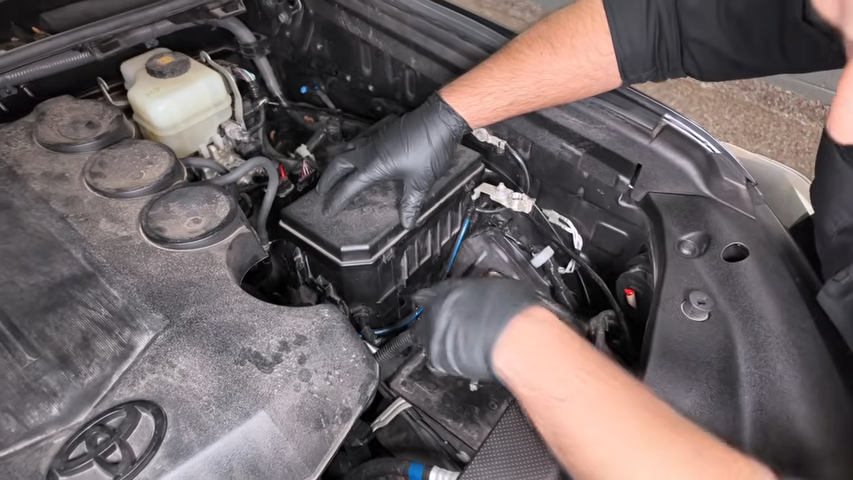
A 2019 Toyota 4Runner sat dead after someone connected jumper cables backward. What followed was weeks of stalling, a dead battery that would not stay alive, and a repair bill that grew with every failed fix.
The reverse connection blew the truck’s 140-amp main fuse, a deliberate safeguard against polarity mistakes. The surge also threatened the alternator’s rectifier diodes and the Engine Control Unit. A semi-truck mechanic replaced the fuse and swapped in an aftermarket alternator, convinced the original was shot. The 4Runner still would not start.
A Toyota dealership pulled a diagnostic code and replaced the crank position sensor. The stall came back the next day, this time as the SUV was reversing into a space. Dealership technicians could not reproduce it on the lift.


An independent Toyota and Lexus specialist eventually took the vehicle out. It ran fine at first. The owner said the shutdowns only happened at low speed, almost always while parking. The specialist tapped the under-hood fuse block, and the engine died immediately.
Inside the block sat four loose pins on the starter relay. The specialist suspected a tool left behind during earlier diagnostics had pried the pins apart, but could not prove it. A starter relay can kill a running engine because the power management computer watches for a ground through the starter circuit. When that contact flickers, the computer reads a fault and cuts the engine or blocks a restart. He reproduced the same stall on another Toyota with a similar electrical layout.
Toyota 4Runner reverse jump-start damage

The fix for the fuse block is straightforward. The real lesson is harder: an electrical shock to a modern vehicle can send symptoms racing across unrelated systems, and each one looks like a separate failure waiting for a replacement part.
Proper jump-starting matters. Attach the red positive clamp to the dead battery’s positive terminal, then to the donor battery’s positive terminal. Connect the black negative clamp to the donor battery’s negative terminal, and the final black clamp to unpainted metal on the dead vehicle’s engine block or frame, away from the battery. This grounding point keeps sparks from igniting hydrogen gas. Remove the cables in reverse order once the engine starts. The owner’s manual lists the exact steps for each vehicle.