The First Enemy at This Week’s US-Japan War Game Wasn’t a Navy — It Was a Typhoon
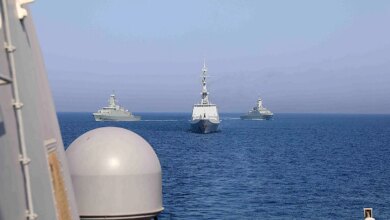
On Monday, 56,000 troops opened the largest US-Japan exercise of the year. On Tuesday they staged a first-ever joint "elephant walk." By Thursday the year's strongest storm was forcing commanders to disperse them.

Keen Sword started Monday as a major military rehearsal: about 56,000 American and Japanese personnel, seven partner nations, and a carrier strike group spread across training areas near Taiwan. By Thursday, the schedule was no longer being written in Tokyo. It was being written by a typhoon.
Super Typhoon Champi, locally named Rosal in the Philippines, reached Category 5 strength on Tuesday. Its peak winds measured 285 to 296 kilometers per hour, depending on the agency, making it the strongest tropical cyclone of 2026 anywhere on Earth by wind speed, tied with April’s Typhoon Sinlaku. It is the seventh Category 5 system recorded this year. It is now bearing down on Taiwan, where the Central Weather Administration issued a land warning Thursday as gusts topping 227 kph approached a 320-kilometer-wide storm.
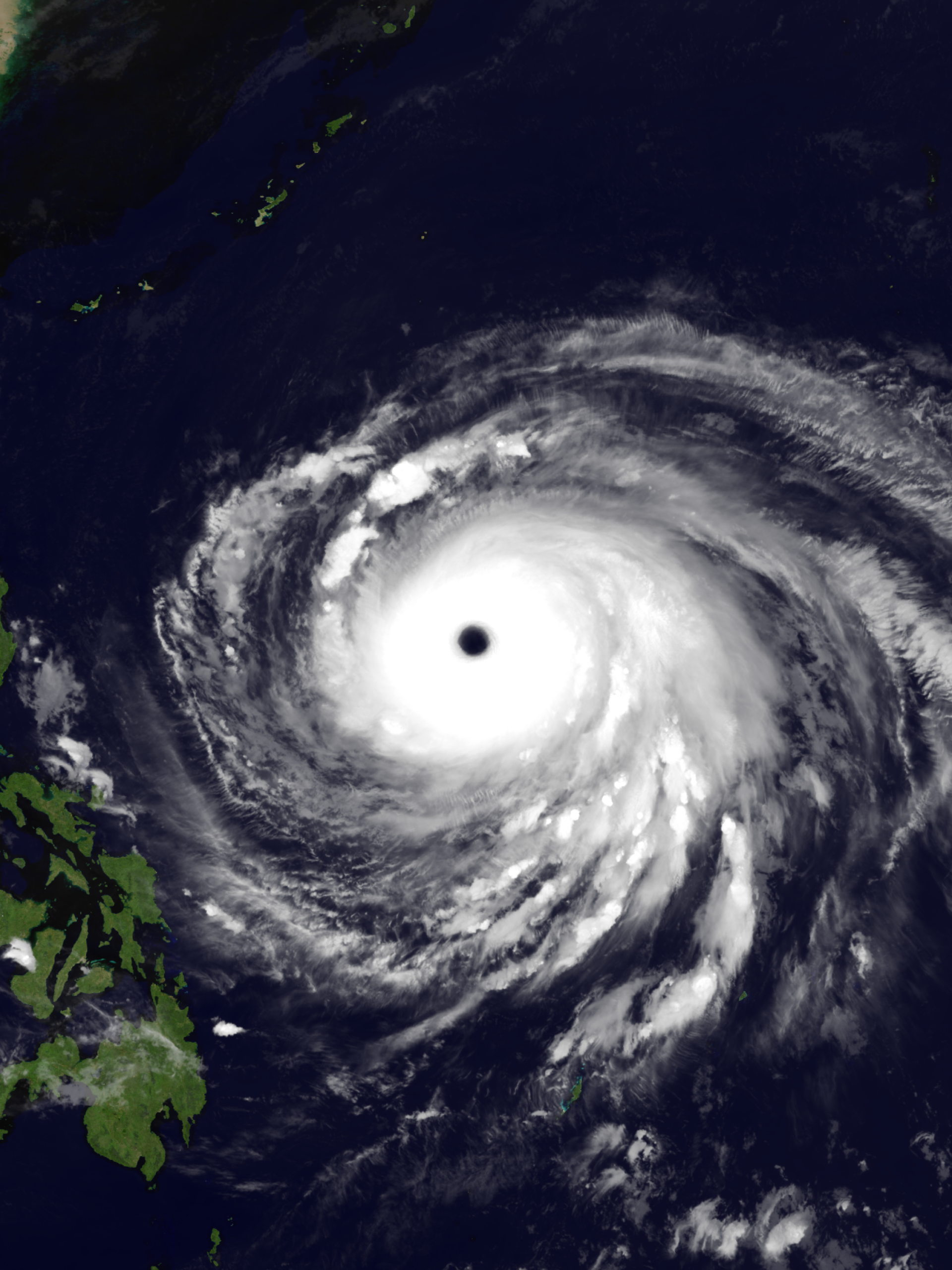
The exercise commanders didn’t wait to see the whites of its eyes. Exercise spokesman Maj. Ephesian Poinsette told Stars and Stripes on Wednesday that “exercise commanders are adjusting activities daily as they monitor the typhoon’s path,” adding that “safety remains our absolute priority.” The USS Theodore Roosevelt carrier strike group, Marine Corps air-defense and antiship missile systems, and the 12th Marine Littoral Regiment (which had just unloaded an MV-22B Osprey onto Miyako Island in Okinawa) all sit in the storm’s projected path.


There’s a photograph that now reads like a “before” picture. On October 20, the day before Champi peaked, US and Japanese crews staged their first-ever joint “elephant walk” at Marine Corps Air Station Futenma in Okinawa: lines of CH-53E Super Stallions and Japanese helicopters taxiing in formation, the two air forces lined up for the cameras. The walk was October 20, three days into an exercise that runs to October 29.
Taiwan has seen this storm’s credentials already. On Sunday the eye passed about 10 miles south of Merizo, Guam, at 4:26 a.m. local time, and the island’s power grid fell from about 75 percent to roughly 50 percent within hours. Six evacuation centers took in 892 people. Guam Memorial Hospital delivered 16 babies under the island’s highest emergency readiness level. President Donald Trump approved a presidential emergency declaration requested by Gov. Lou Leon Guerrero, unlocking federal assistance at a 75 percent funding share, while FEMA said relief supplies were three to five days out. It was the third typhoon to hit the Northern Mariana Islands in six months.
PAGASA’s 11 a.m. bulletin put Champi 400 kilometers east of Basco, packing sustained winds of 185 kph and gusts to 230 kph. Signal No. 2 covers Batanes and the northeastern Babuyan Islands; a wider band sits under Signal No. 1. Taiwan has canceled 125 flights, mostly domestic, warned of waves topping six meters, and forecast nearly a meter of rain in the northern mountains. No evacuations have been reported yet. President Lai Ching-te wrote on Facebook on Thursday: “A little more preparation means less risk.”
After Taiwan, the forecast track bends north, toward the seas off Shanghai and southern Japan, where Japan Airlines, ANA and Skymark have already canceled more than 100 flights between Thursday and Sunday. Japan’s westernmost inhabited island, Yonaguni, sits first in the storm’s path. The exercise still has a week to run; the storm is expected to be over southern Japan by the weekend.