Dammam Is the Third Saudi Airport Hit This Month. The Full Ledger: 17 Dead, 300+ Injured
Riyadh, Abha and now Dammam — plus Aramco's Shaybah field: the wave-by-wave count, the interception-debris pattern, the US evacuation order, and the troop memorandum Ankara is preparing.
Three airports. Sixteen days. At least 17 dead and more than 300 injured.
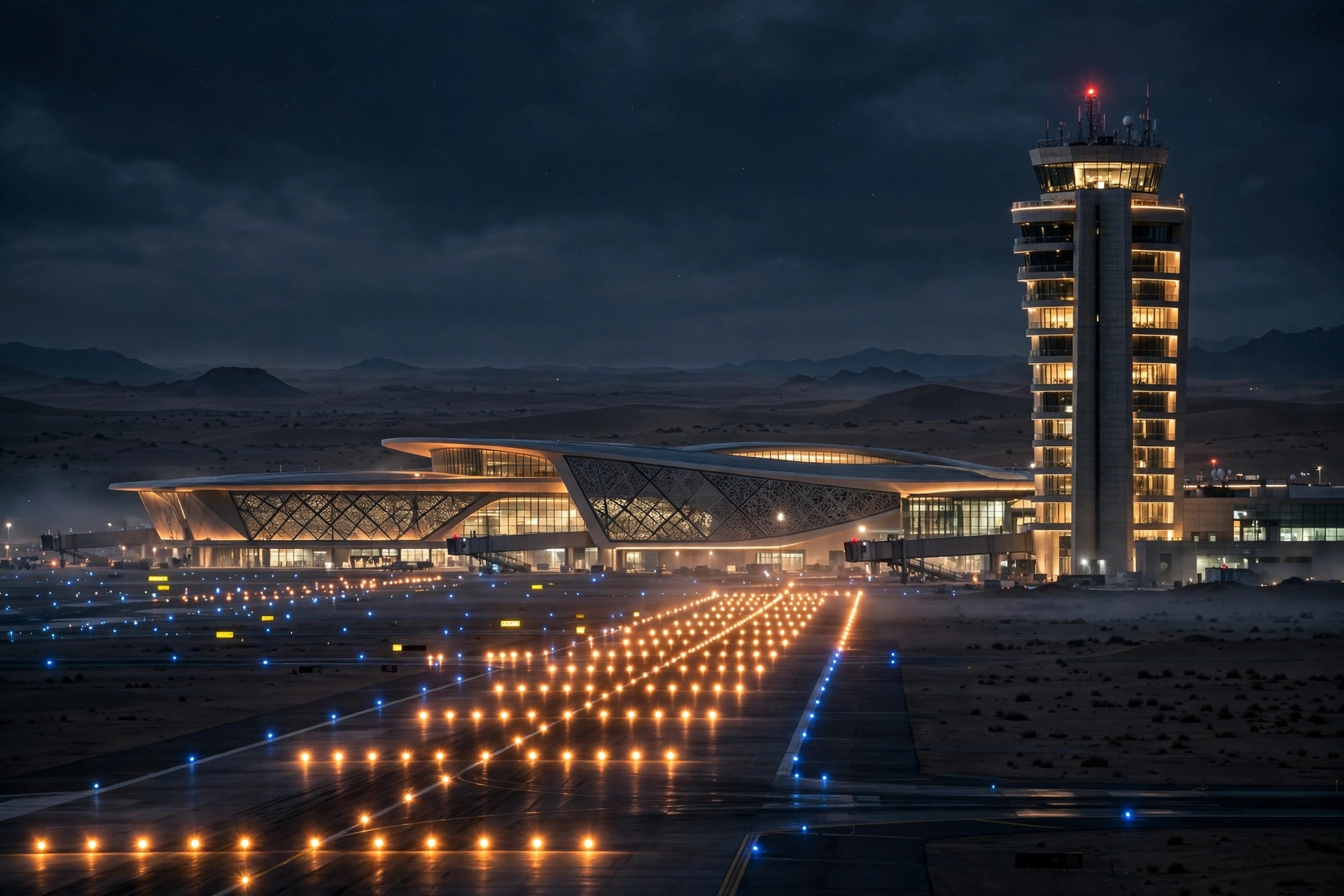
King Fahd International Airport in Dammam was hit late Wednesday. The General Authority of Civil Aviation announced early Thursday that one resident had been killed and eight people injured, their conditions ranging from minor to critical. The strike caused material damage across sections of the airport grounds, and the flight-tracking service Flightradar24 said overnight that flights were being diverted away from the airport.
The authority named no one responsible, and the Iranian-backed Houthis have not commented on the strike.


Dammam is not the first airport. It is the third. The ledger nobody has drawn up looks like this.
October 6–7: drones targeted King Khalid International Airport in Riyadh and Abha International Airport in the southwest. Three people were killed and 36 injured, according to GACA. Operations were temporarily suspended while authorities inspected the airfields.
October 10: King Khalid was hit again. Thirteen people were killed, including an Indian national whose death was later confirmed by the Indian Embassy in Riyadh. GACA had initially reported 12 fatalities and 309 injuries in a statement the following day.
October 21: Dammam. One dead, eight injured, the airport damaged.
That is seventeen dead across three airports, and more than 350 injured, in sixteen days. The campaign is not confined to airports.
The same night as the Dammam strike, debris from an intercepted drone killed two workers at the Shaybah oil field (Nepali and Filipino nationals) and injured two others, from Pakistan and India. The falling debris set a contractor’s vehicle on fire, the Energy Ministry said. Shaybah, deep in the Empty Quarter, is one of Aramco’s most important fields. Earlier this month a limited fire broke out in an administrative building at Aramco in the Eastern Province. Last month, debris from another intercepted Houthi drone killed a Yemeni resident of Saudi Arabia. It was the first civilian death since the Houthis escalated their attacks on the kingdom.
That debris is the pattern. In the two cases where the official statements describe exactly how people died — Shaybah and last month’s Yemeni resident — the cause was wreckage from interceptions, not direct hits. And the named dead keep arriving as nationalities rather than names: Nepali, Filipino, Pakistani, Indian, Yemeni. Migrant workers and residents are absorbing this war’s casualties.
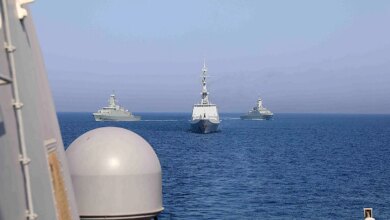
The Saudi-led coalition says its air defenses intercepted and destroyed four drones over the Eastern Province on Wednesday. Brig. Gen. Turki al-Malki, the coalition’s spokesman, confirmed it through Al Jazeera.
No group has claimed the Dammam strike.
Not that wave, not any other.
This is a war with a mirror image: Al Jazeera reported that Houthi forces targeted al-Rayyan airport in Yemen for the fourth time in a single day. The airports of both sides are now infrastructure of the war.
The State Department is not waiting for the pattern to clarify. On Wednesday it ordered the departure of non-emergency US government employees and their family members from Saudi Arabia. Spokesman Tommy Pigott said Iranian-supported Houthi forces had increasingly attacked civilian airports and critical infrastructure, causing civilian casualties and severe travel disruptions. “The safety and security of Department personnel and their families remain our highest priority,” he wrote on X.
The next possible escalation has a name: the Mecca pact. Turkey is preparing a memorandum to parliament authorizing the deployment of troops to Saudi Arabia under the joint defense agreement signed on August 7 by President Erdoğan, Crown Prince Mohammed bin Salman and Pakistani Prime Minister Shehbaz Sharif, a pact that treats an armed attack on any one of the three as an attack on all. The report, from Reuters, adds a two-stage catch: Turkey’s constitution requires separate parliamentary approval for any foreign deployment, and the Defense Ministry reiterated on October 15 that no troops move without it.
Pakistan’s army chief, Asim Munir, spent two days ago in Tehran, asking Iranian leaders to persuade the Houthis to halt the attacks. No official statement came out of it. Pakistan has condemned the strikes, sent no troops, and its military spokesman’s latest line reads as a threat rather than a plan: “If it is not possible to settle [matters] through negotiations and the situation turns into a military conflict, the collective defence system provided by the ‘Mecca Pact’ will inevitably be activated, as is already happening.”
GACA says its damage assessments continue and further updates are expected. The coalition says the interceptions continue. Turkey’s memorandum has not yet been submitted. The ledger stands at 19 dead.