Cyberpunk 2077 Sold 5 Million Copies in 8 Months With No New Content. Today Comes the Second Resurrection
The 2022 anime-and-patch pair put a million players a day back in Night City and pushed sales past 20 million. With the sequel four years out, the flywheel is turning again.
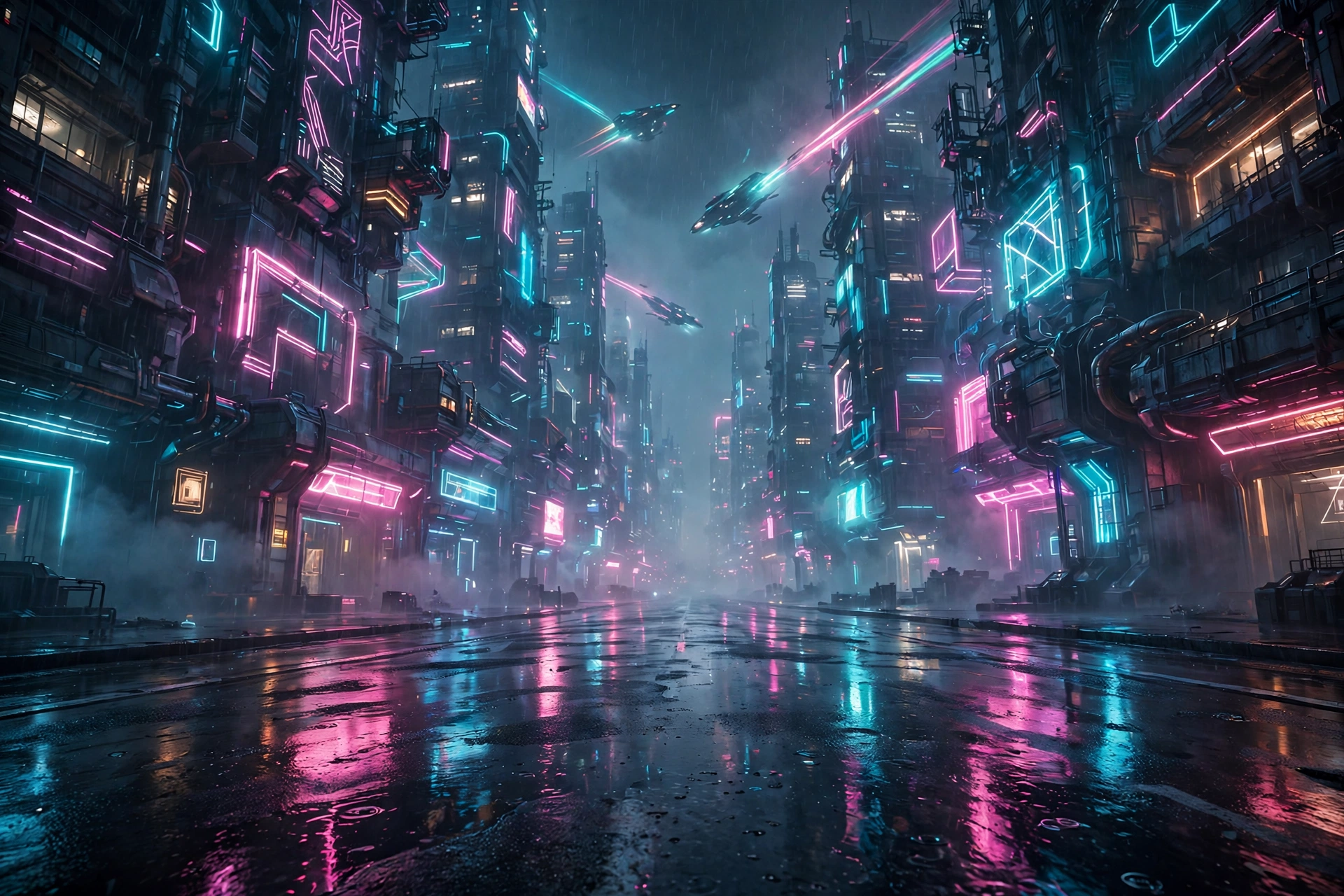
“We have no plans for additional DLCs or expansions. If anything changes, we will inform you all!” That was the official Cyberpunk 2077 account in March, answering a fan on X. Something changed. Update 2.5 — the Edgerunners 2 Update — lands today, October 22, on PC, PlayStation 5 and Xbox Series S/X, with a Switch 2 version to follow shortly. It’s free, it’s substantial, and its timing is no accident: all ten episodes of Cyberpunk: Edgerunners 2 hit Netflix on Tuesday.
A new “Double Trouble” perk in the Cool tree finally lets players dual-wield Power pistols and revolvers, with four auxiliary perks backing the playstyle. Arm cyberware — Mantis Blades, Gorilla Arms, Monowire, the Projectile Launch System — can now be customized at five new Glamdocs, each with its own voiced introduction and skin collection. There’s a new side quest, Clampdown, set before the anime’s events, with a five-piece gear set based on the character King. A new radio station, HKGN 102.0 FM, plays tracks from the Edgerunners series. And under the hood: cross-platform mod support on PC, Mac, PS5, PS5 Pro and Xbox, a long-requested FOV slider on consoles, and DLSS 4.5. Taken together, it’s the biggest free update the game has seen in years.
In July, the studio said Cyberpunk 2077 had sold 40 million copies since its December 2020 launch — up 5 million from November 2025. Read that again: five million copies in eight months, for a game that received no new content in that window. The only expansion it has ever had, 2023’s Phantom Liberty, is three years old. Somewhere out there is an audience that keeps buying Night City without being asked.


That audience was built by an anime. When the first Edgerunners premiered in September 2022 alongside Update 1.6, CD Projekt announced that Night City was being visited by a million players a day — new and returning — in the week of the premiere. The game crossed 20 million copies days later, roughly seven million more than it had sold at its disastrous launch. On PC, it logged its best weekend since release, peaking at 136,724 concurrent players on Steam and outdrawing Elden Ring and GTA V that week. The studio credited the anime-and-patch pair for a sales jump that quarter. A ten-episode cartoon did what two years of patching alone could not: it gave lapsed players a reason to come back and new ones a door to walk through.
That is the playbook being re-run this week, and the “no plans” reversal makes sense inside it. An anime tie-in update costs a fraction of an expansion, and the anime itself is the marketing campaign — Netflix pays for the premiere, the discourse does the rest.
Free update, paid marketing.
The Witcher 3 is getting Songs of the Past, an expansion for an eleven-year-old game, which tells you where CD Projekt’s head is: old games get new life when the brand needs it. With The Witcher 4 aimed at 2028 and Cyberpunk 2 not expected until at least 2030, per co-CEO Michał Nowakowski, Night City has to stay warm for four more years. A free update timed to a Netflix premiere is the cheapest way to do it.
The week’s biggest “update” might not be official at all. NightCoop, a fan-made mod, adds up to eight-player co-op to the game — and Polygon’s writeup of the week argues it’s “arguably” a bigger deal than 2.5. CD Projekt’s answer is inside the patch: cross-platform mod support, the studio formally embracing the mod scene. The pattern is familiar from the game’s whole second life. The modders lead. CD Projekt follows.
Four years ago, a good anime landed on a finally-fixed game, and the resurrection was an accident of timing. This one is deliberate. The studio that learned a cartoon can save a game is now testing whether lightning strikes the same Night City twice. If the flywheel turns again, expect CD Projekt to keep scheduling its premieres in pairs: ten episodes on Netflix, one free update on the store page, and a player count that remembers how to climb.