Lexus Kills the Gas-Only NX to Dodge Tariffs and Boost Hybrids
Canadian assembly for the NX 350h signals a strategic push to manage U.S. import costs as the lineup goes fully electrified.
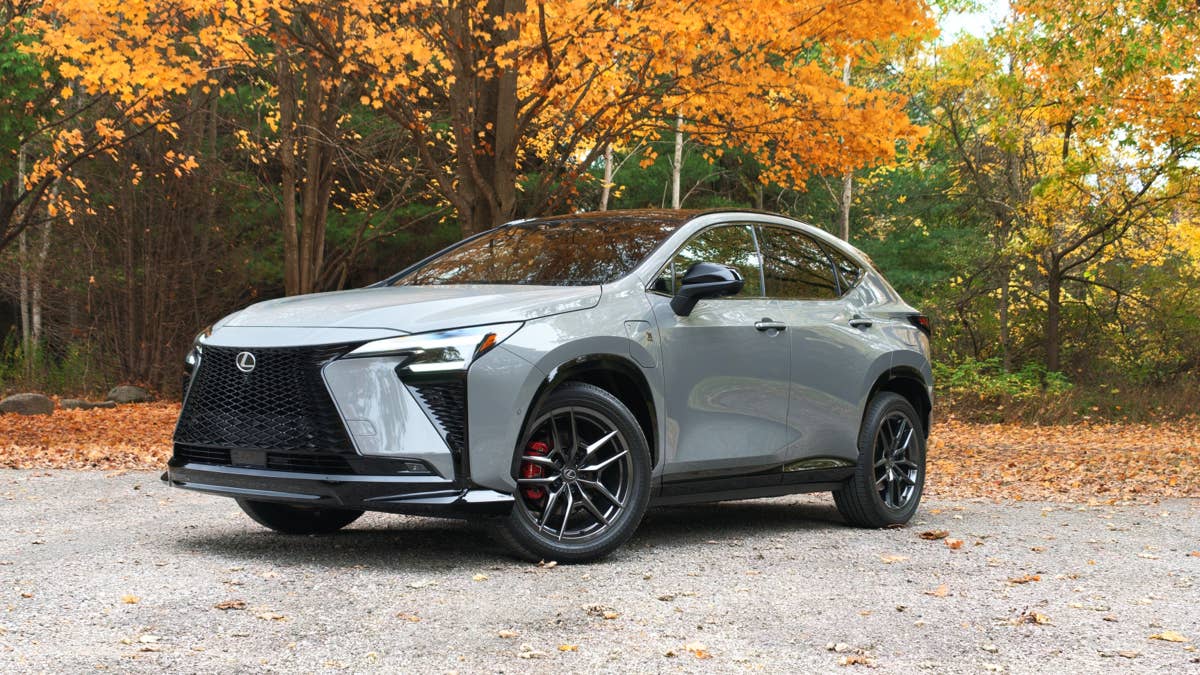
The 2027 Lexus NX arrives in U.S. showrooms without a single purely gasoline-powered model, a manufacturing shift that reflects Toyota Motor Corp.’s broader strategy to insulate its North American operations from escalating trade risks. By restricting the compact crossover to standard hybrid and plug-in hybrid variants, the automaker is leaning heavily on production lines in Canada and Japan while abandoning the conventional internal combustion engine option that previously anchored the entry-level price point.
Lexus confirmed the NX 350h will be assembled in both Canada and Japan, while the higher-output NX 450h+ plug-in hybrid will be built exclusively in Japan. The decision to utilize Canadian assembly for the volume-selling hybrid variant carries significant weight as automakers navigate an unpredictable tariff environment. Vehicles manufactured outside the United States face potential import duties under shifting federal trade policies, making Toyota’s established plant in Cambridge, Ontario, a critical buffer for maintaining competitive pricing in the American luxury market.
This pivot follows a pattern set earlier by Toyota’s mainstream brand. The current-generation RAV4 dropped its non-hybrid four-cylinder engine entirely, betting that consumers would accept slightly higher base prices in exchange for better fuel economy. The NX is now mirroring that gamble in the luxury segment, where buyers are traditionally more sensitive to cabin refinement than pump savings.

To justify the elimination of the cheaper gas-only powertrain, Lexus reworked the hybrid hardware. According to manufacturer estimates, the updated 2.5-liter four-cylinder paired with electric motors in the NX 350h generates 244 horsepower—a marginal 4-horsepower increase over the outgoing model. The real engineering effort went into software calibration. Lexus stated the revised system relies more heavily on electric motor assistance during acceleration to smooth out power delivery.
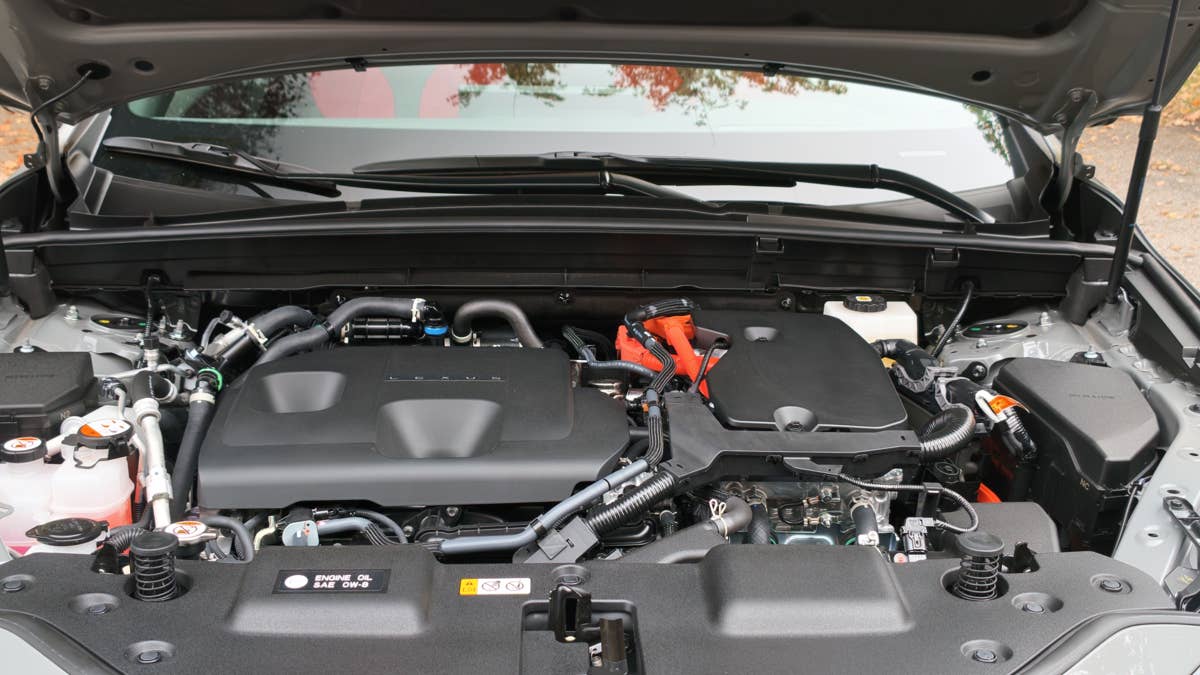
The plug-in NX 450h+ received more substantial mechanical changes. Its front motor generator output climbed to 203 horsepower from 180, pushing total system output to 324 horsepower. A revised lithium-ion battery delivers 8% more capacity and output, which Lexus estimates translates to 45 miles of electric-only range depending on the trim level. The company also made DC fast charging standard equipment. Using a 50-kW charger through the new North American Charging Standard (NACS) port, the battery moves from 10% to 80% capacity in roughly 35 minutes, according to Lexus.
Fuel economy projections underscore why the automaker felt comfortable dropping the base engine. Manufacturer estimates rate the front-wheel-drive NX 350h at 44 mpg city, 35 mpg highway, and 40 mpg combined. All-wheel-drive versions drop slightly to 42/34/38 mpg, while the F SPORT AWD variant is rated at 41/34/38 mpg. The heavier NX 450h+ AWD achieves 39/35/37 mpg alongside its electric range. Official EPA certification remains pending.
Simplifying the powertrain options allowed Lexus to consolidate the lineup into four trims: Premium, Premium+, F SPORT, and Luxury. Buyers can pair any grade with either hybrid configuration, though specific drivetrain availability depends on the selected trim.
Noise reduction became a primary engineering target to compensate for the loss of the traditional gas engine’s lower starting price. Lexus claims structural reinforcements and additional sound insulation cut engine noise entering the cabin by 20% compared to the previous model year. Suspension, steering, and braking components were also revised to alter ride dynamics.
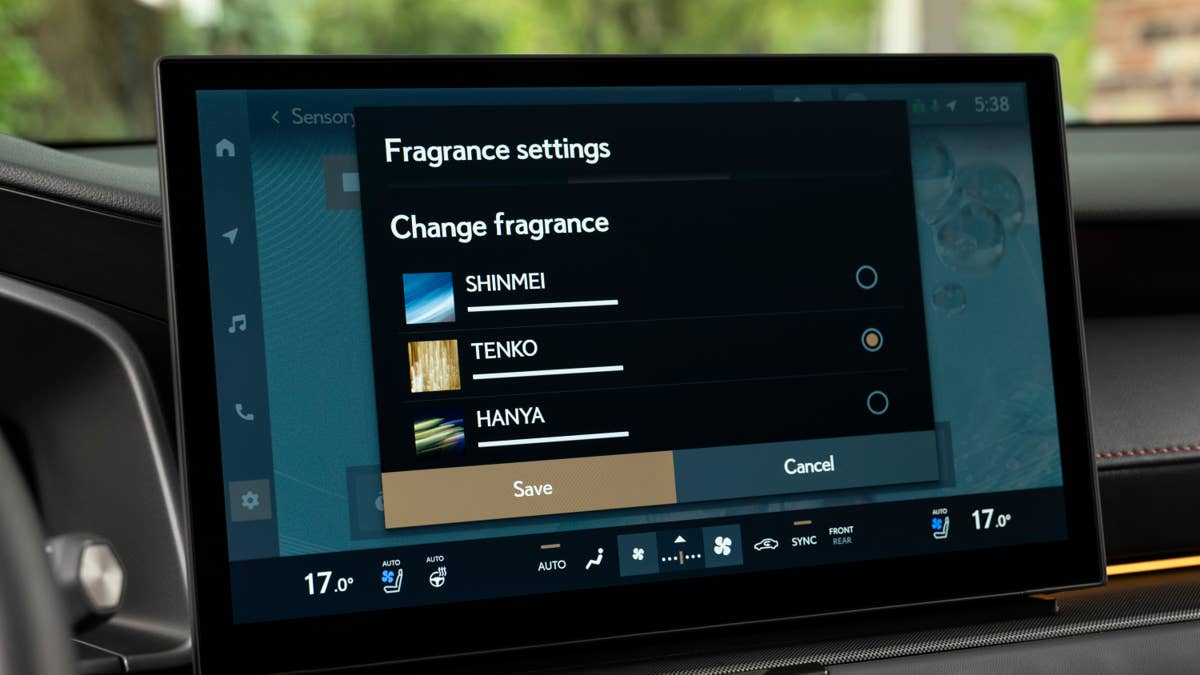
Inside, the dashboard adopts a horizontal layout anchored by a 12.3-inch digital instrument cluster and a 14-inch central touchscreen. Wireless Apple CarPlay and Android Auto, over-the-air update capability for the Lexus Interface operating system, and an integrated Drive Recorder are standard across the board. The Lexus Safety System+ 4.0 suite of driver-assistance features is included on all grades. Higher-tier F SPORT and Luxury models add Sensory Concierge, a system that synchronizes ambient lighting, audio, climate control, seat temperature, and fragrance dispensers based on occupant preferences.
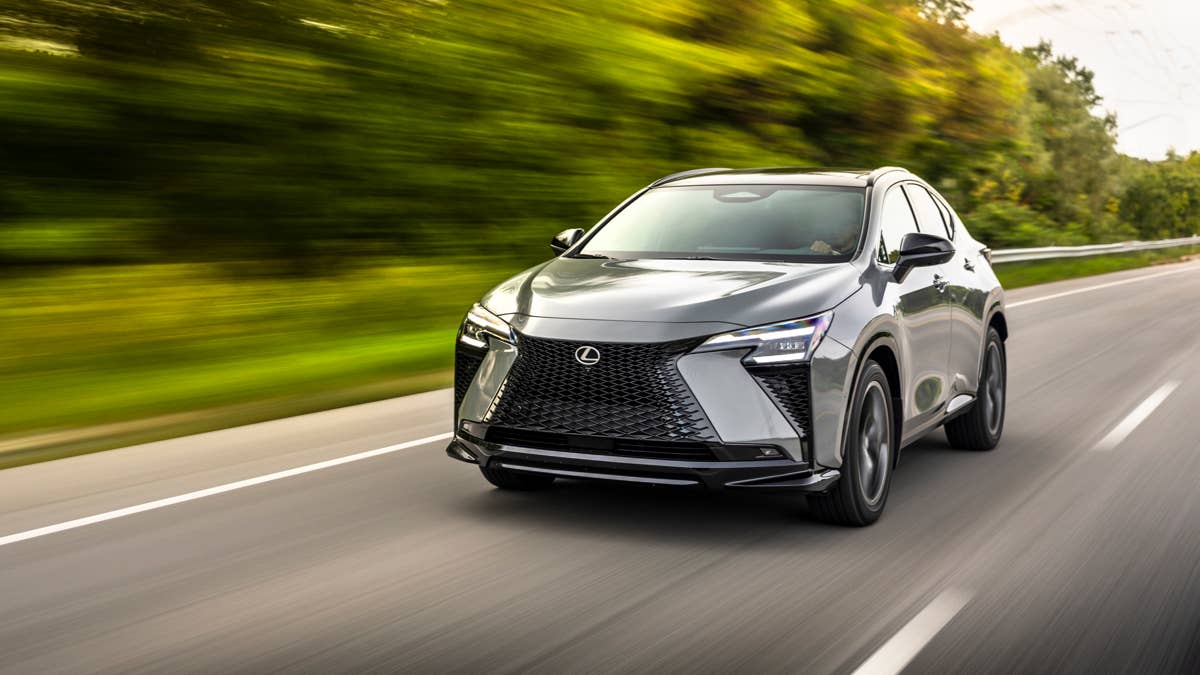
Exterior revisions include a new mesh grille pattern, darker trim accents, and redesigned lighting signatures. The rear fascia features what Lexus calls Double L Signature lighting, incorporating illuminated L-shaped elements and a backlit brand logo. Two new paint colors—Shaded Ivy and Incognito, the latter restricted to F SPORT models—join the palette.
Pricing details have not been announced. Lexus stated that final trim specifications and official EPA figures will be released closer to the vehicle’s launch date.