Florida Executes Its 8th Inmate Over 70 as Death Warrants Surge
State nears historic execution record as defense highlights unrevealed PTSD diagnosis
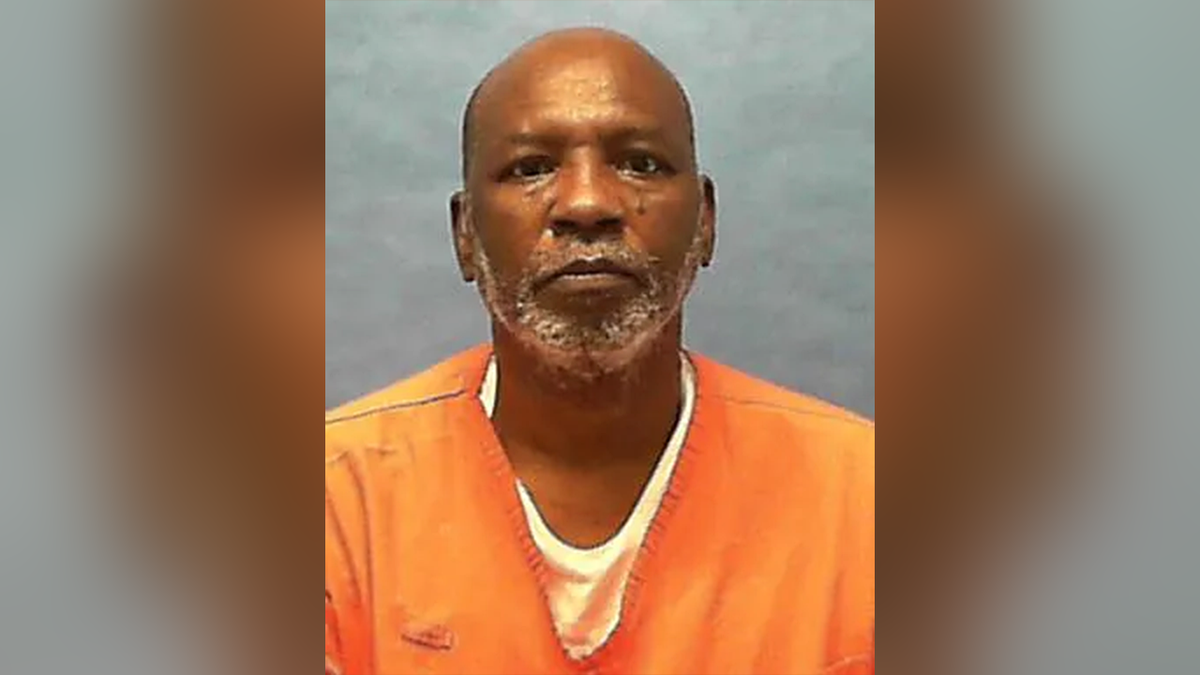
William Reaves was 37 when he shot an Indian River County sheriff’s deputy. He was 77 when the state of Florida killed him. That four-decade gap defines a capital punishment system operating at a pace unseen in the United States since the modern death penalty era began.
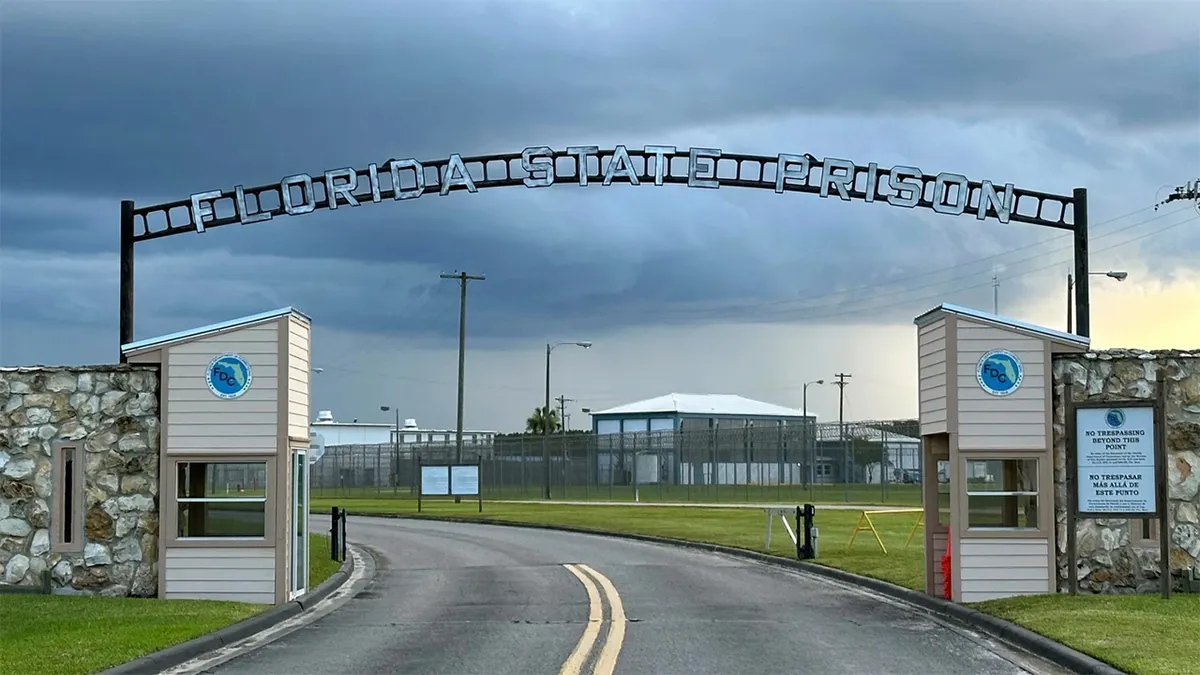
Reaves became the eighth prisoner over age 70 executed in Florida this year after a three-drug injection at Florida State Prison near Starke on Tuesday, according to prison officials. His death pushed the state’s annual execution tally to 18. Only one more is needed to match the record 19 carried out under Republican Gov. Ron DeSantis in 2025, which accounted for roughly 40% of the 47 total U.S. executions that year, according to data tracked by criminal justice organizations.
The sheer volume has shifted the national center of gravity for capital punishment almost entirely to Tallahassee. Florida has conducted more than half of the 32 executions nationwide so far in 2026. In July, the state put two inmates to death on the same day—the first double execution by any state in nearly a decade.
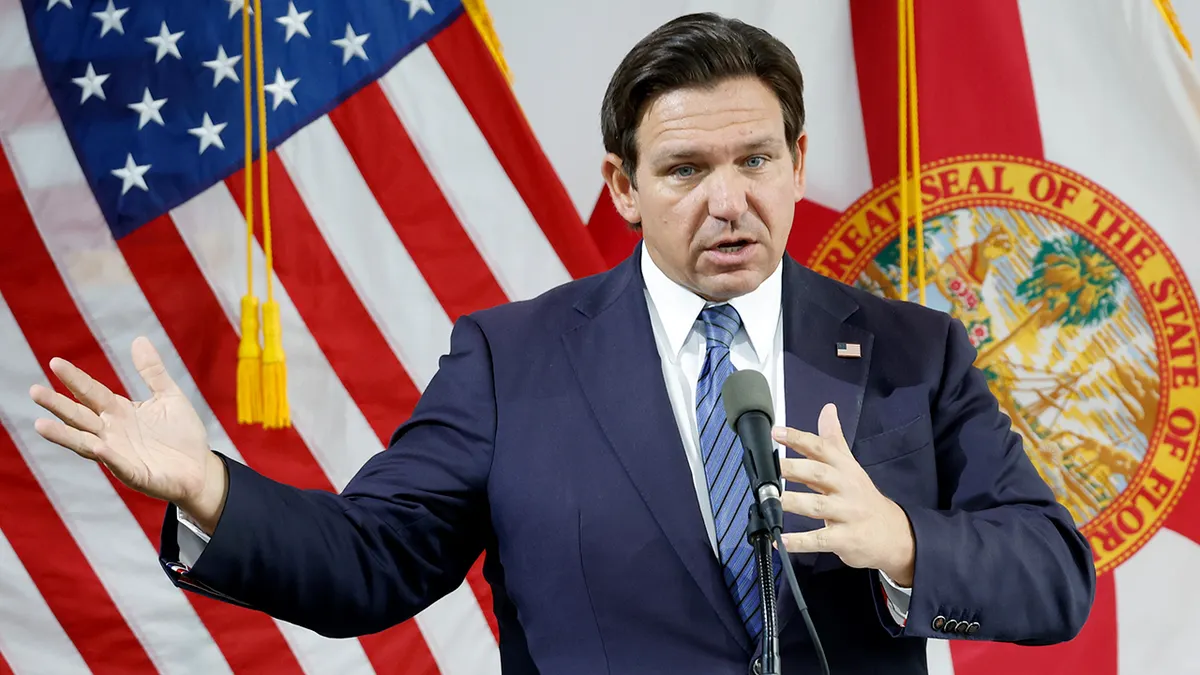
This acceleration stems directly from a flurry of death warrants signed by DeSantis since 2025. The governor has stated he wants justice for victims’ families who have often waited decades for death sentences to be carried out.
Reaves was convicted of first-degree murder for the Sept. 23, 1986, shooting of Deputy Richard Raczkoski. Court records show Raczkoski responded to a 911 call Reaves made from a payphone at a Vero Beach convenience store. During their encounter, a gun fell from Reaves’ pants. The men struggled over it before Reaves regained control and shot the fleeing deputy four times, investigators said.
The path to Tuesday’s execution chamber was not linear. The Florida Supreme Court initially overturned Reaves’ conviction due to a prosecutor’s conflict of interest before a second trial resulted in another guilty verdict and death sentence. The U.S. Supreme Court denied his final request for a stay without comment on Tuesday.
His legal team fought the execution on two distinct fronts. They challenged the state’s lethal injection protocol—a sequence involving a sedative, a paralytic, and a drug that stops the heart, according to the Department of Corrections. They also argued jurors never heard that the U.S. Department of Veterans Affairs rated the Army veteran 100% disabled due to post-traumatic stress disorder linked to his Vietnam War service. More than 100 military veterans sent a letter to DeSantis on Monday urging him to halt the execution based on those factors.
Florida’s three-drug method stands in stark contrast to protocols drawing intense scrutiny elsewhere. Last month, Tennessee death row inmate Christa Pike survived two doses of pentobarbital during a botched single-drug execution attempt and was rushed to a hospital before eventually returning to prison. Anesthesiologist Dr. Joel Zivot, who advised Pike’s attorneys, recently detailed the medical complications surrounding the drugs used in that failed procedure during an interview with Fox News. A judge subsequently ordered Tennessee officials to preserve evidence from the incident.
Witnesses inside the Florida viewing room offered sharply divided assessments of what they saw. About 30 seconds into the injection, Reaves took several large breaths and stopped moving, according to media witnesses. A medic checked for vital signs before he was pronounced dead at 6:12 p.m. Reaves offered no last words.
Indian River County Sheriff Eric Flowers, who witnessed the procedure, rejected the idea that the event constituted justice. “Would we all be so lucky to be 77 years old and to die so peacefully,” Flowers told reporters at a press conference. “That’s not justice in any way, in my opinion.” Marc Raczkoski, the slain deputy’s brother, told reporters his family had finally received justice.
Jesse Guardado, 64, is scheduled to die Nov. 5 for a 2004 robbery and murder committed to buy drugs. If the warrant is carried out, Florida will tie last year’s record.