Did a Yard Sign Trigger a Fatal Mississippi Home Invasion?
Sheriff questions if religious yard displays attracted a suspect showing signs of a mental health crisis.
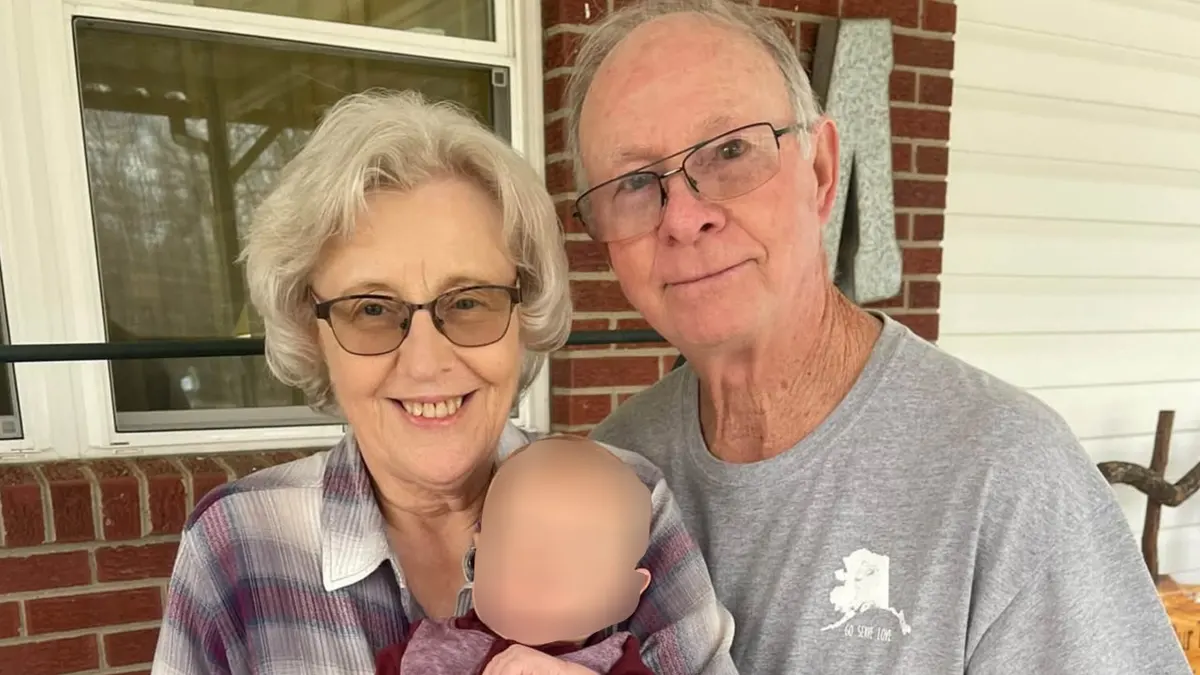
A religious yard sign visible from the road may have drawn an intruder to a rural Mississippi home where an 81-year-old man was killed early Thursday, according to the local sheriff investigating the attack.
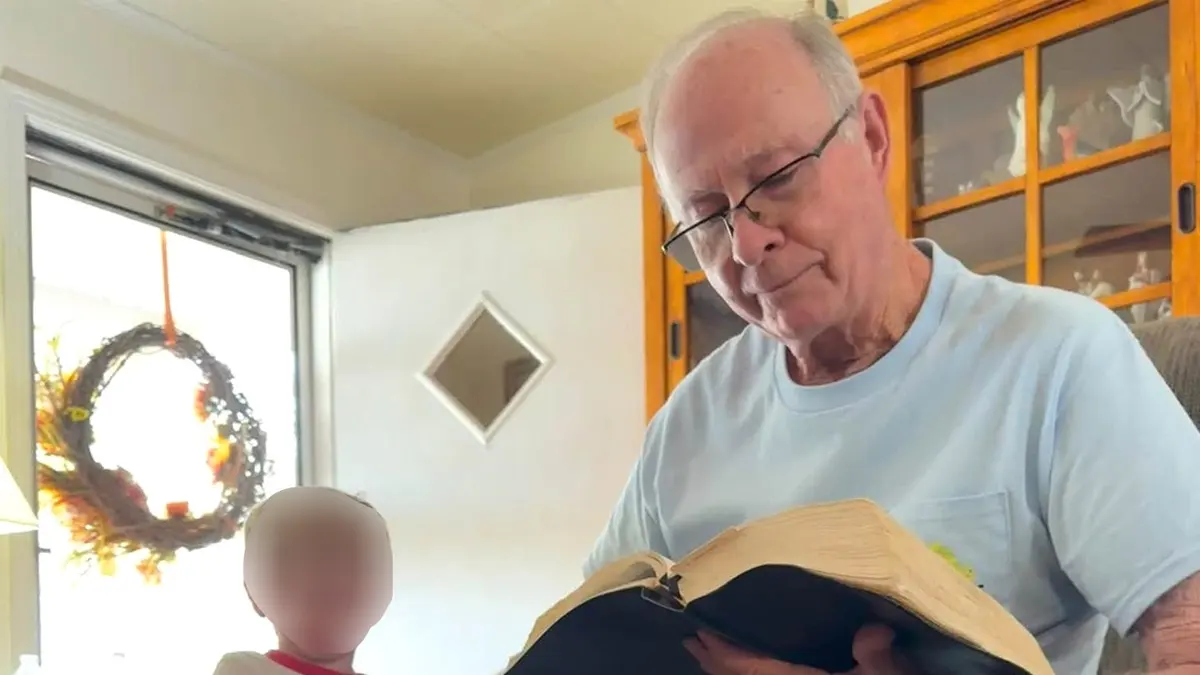
Bobby McGill kept a cross and a sign reading “Jesus is Lord” in his front yard. Union County Sheriff Jimmy Edwards told Fox News Digital that investigators are examining whether those displays directed Eric Basco to the property around 4 a.m., though he cautioned the connection remains unconfirmed.
The question highlights a tension familiar to rural homeowners across the South. Religious expressions on private property are deeply embedded in the culture of counties like Union County, but they also make specific households instantly identifiable to anyone passing by in the dark. Unlike gated suburban developments, these homes often sit along unlit two-lane roads with no physical barriers between the street and the front door.


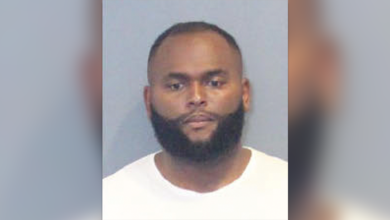
Basco did not fit the profile of a typical burglar. Edwards said the suspect had no criminal history beyond minor traffic violations. Surveillance footage obtained by investigators showed Basco walking down a road roughly 1.5 miles from McGill’s residence the evening before the killing, throwing his hands in the air and screaming what sounded like “God is dead,” according to Edwards.
“There was something mentally wrong with him or something that altered his thinking,” Edwards told Fox News Digital.
That assessment points to a broader failure in how rural communities handle acute psychiatric crises. Mississippi consistently ranks near the bottom nationally for access to mental health services. According to data from the Kaiser Family Foundation, the state has one of the highest ratios of population to mental health providers in the country, leaving law enforcement as the default first responders for individuals experiencing psychotic breaks. In sparsely populated areas like Union County, where deputies cover vast geographic territory, identifying and intervening with a distressed person wandering rural roads before they reach a doorstep is logistically difficult.
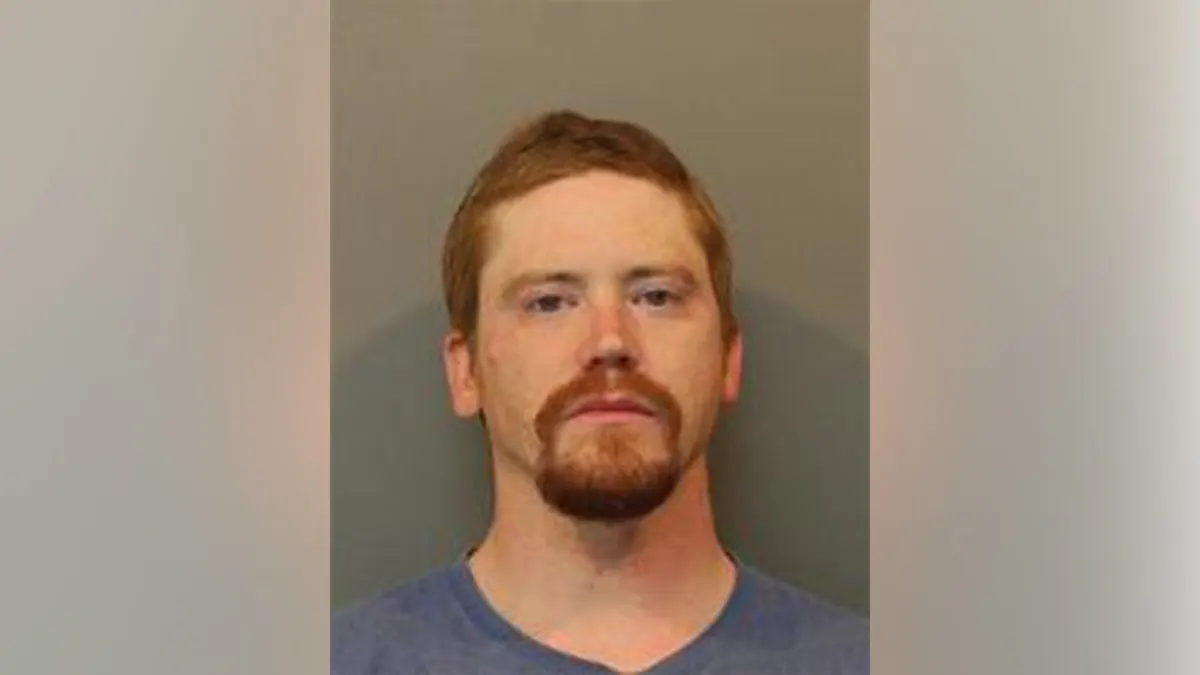
McGill and his wife, Peggy, were asleep when Basco entered the house. McGill struggled with the intruder and attempted to retrieve a pistol he stored in a chest at the foot of his bed, Edwards said. Basco gained control of the weapon during the fight and shot McGill multiple times.
Peggy McGill escaped the house and called 911, telling dispatchers someone had broken in and attacked her husband, the sheriff said. After the shooting, Basco went into a bathroom and shot himself. He later died at a hospital, Edwards said.
Edwards described the McGills as “very good citizens” and initially suggested burglary as the likely motive, despite the suspect’s erratic behavior the night prior and his lack of a traditional criminal record.
The case mirrors a troubling national pattern. The FBI’s Uniform Crime Reporting program has documented a steady increase in burglaries escalating to violence when occupants are present, particularly involving suspects exhibiting signs of severe mental illness or substance-induced psychosis rather than financial motivation.
McGill’s granddaughter, Haley McGill, posted a tribute on Facebook remembering him as a devoted Christian. “My Papaw loved the Lord above all else & he loved his family with his whole heart,” she wrote. “He made sure you couldn’t leave a conversation with him without hearing about Jesus.”