Iran’s Hormuz Toll Road Traps Global Oil Trade
Tehran demands U.S. concessions and unfreezes billions in assets before clearing sea mines from the 1968 international shipping lane.
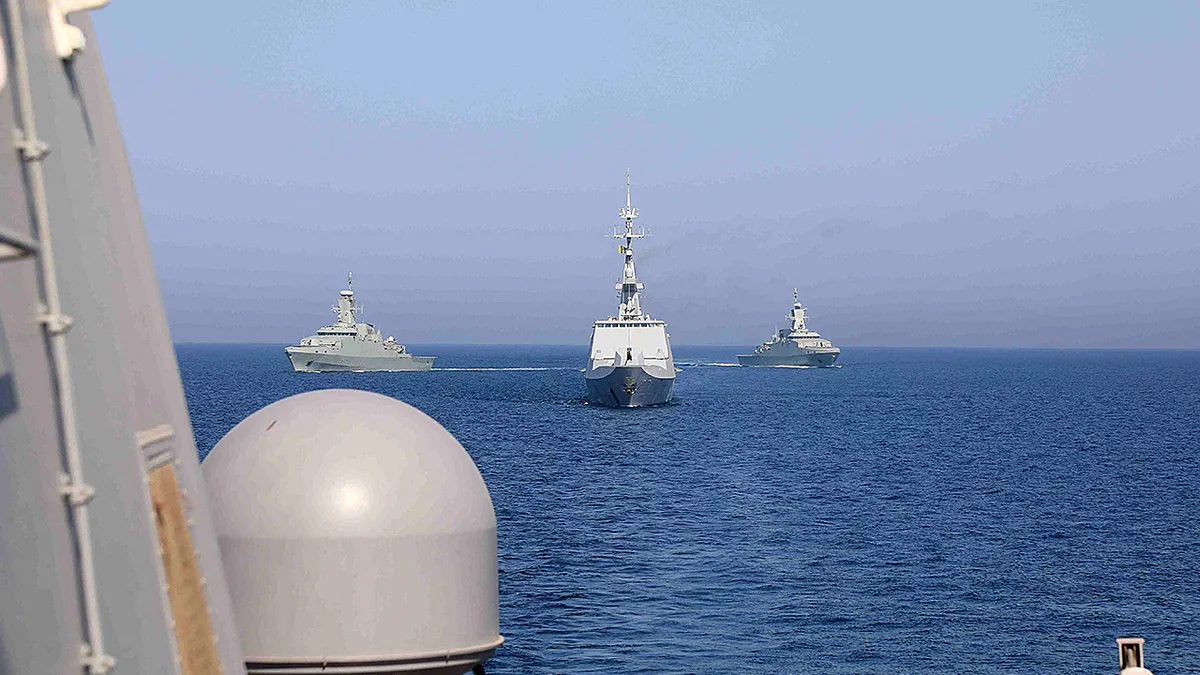
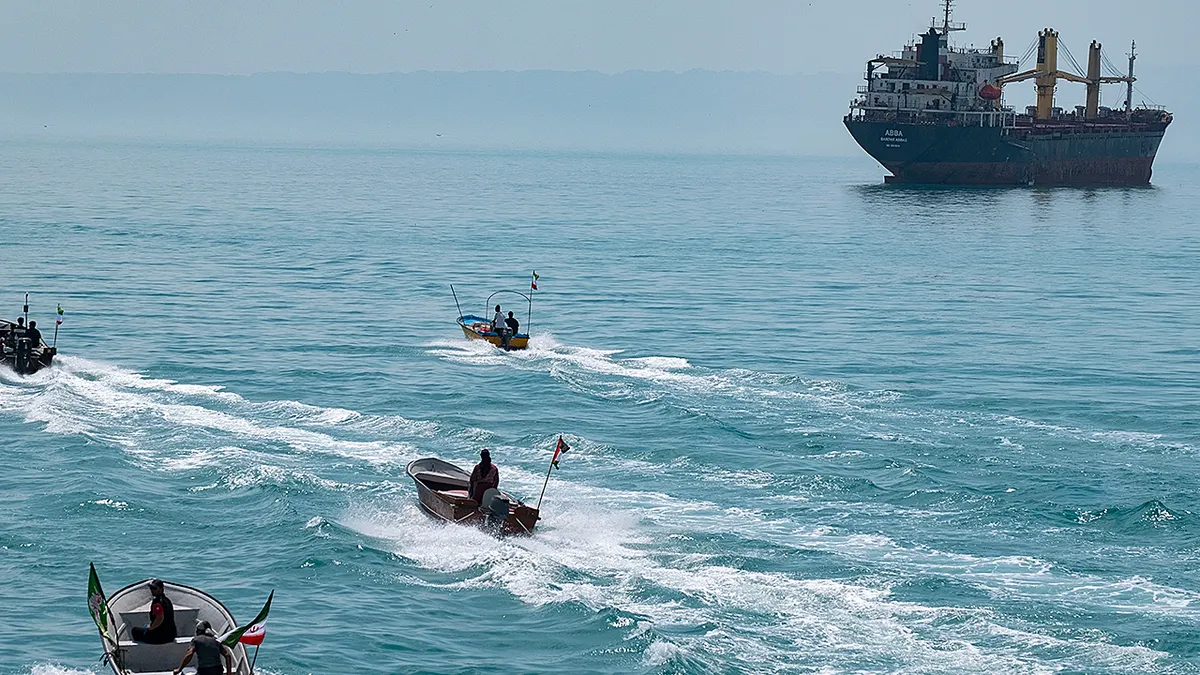
Global energy markets face a new structural shock as Tehran weaponizes the Strait of Hormuz, forcing commercial vessels into an unauthorized, fee-based shipping corridor while leaving the internationally recognized route seeded with naval mines. The strategy effectively converts one of the world’s most critical oil chokepoints into a toll road administered by the Islamic Revolutionary Guard Corps (IRGC).
Roughly 20% of global oil consumption passes through the strait daily. Iran’s unilateral imposition of transit fees and safety charges inside its territorial waters represents a direct challenge to the maritime order that has governed the Persian Gulf since 1968, when the International Maritime Organization (IMO) adopted the current traffic separation scheme.
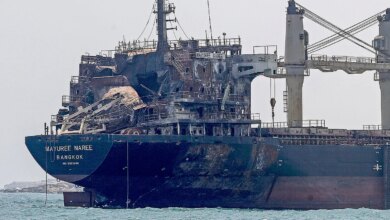
The economic pressure on shipping operators intensified Oct. 17 after two tankers carrying approximately 2 million barrels of crude oil caught fire upon striking sea mines, according to Reuters, citing Iran’s official Islamic Republic News Agency (IRNA). The IRGC navy claimed the vessels had disabled their positioning and radar systems and attempted to bypass Tehran’s designated route.

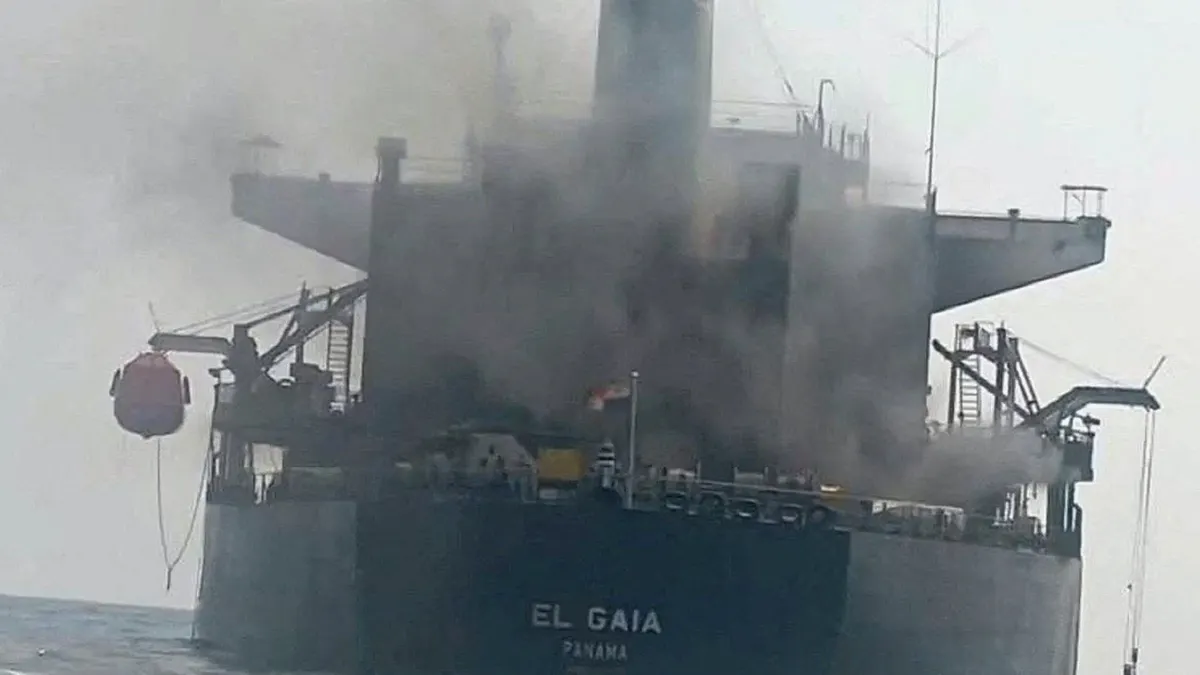
One tanker was left immobilized by the blast, Reuters reported. For marine insurers, the incident signals a potential collapse of underwriting capacity for the region. War risk premiums for Hormuz transits have historically spiked during periods of tension—jumping tenfold in 2019 after a series of tanker attacks—but the introduction of active minefields combined with mandatory IRGC routing creates an entirely different risk calculus for Lloyd’s of London syndicates and other major maritime insurers.
IMO Secretary-General Arsenio Dominguez confirmed the organization cannot verify whether the standard international lane is safe. “The traffic separation scheme, the information that we have is that they still have mines,” Dominguez told Fox News Digital. “We cannot guarantee that a vessel that intends to transit that route will not be hit by a mine.”
Dominguez noted that while Iran communicated the establishment of its temporary route due to the ongoing conflict, the IMO never approved it. “Any other route needs to actually be sent to the organization to go through the processes, and we have not received that,” he said.
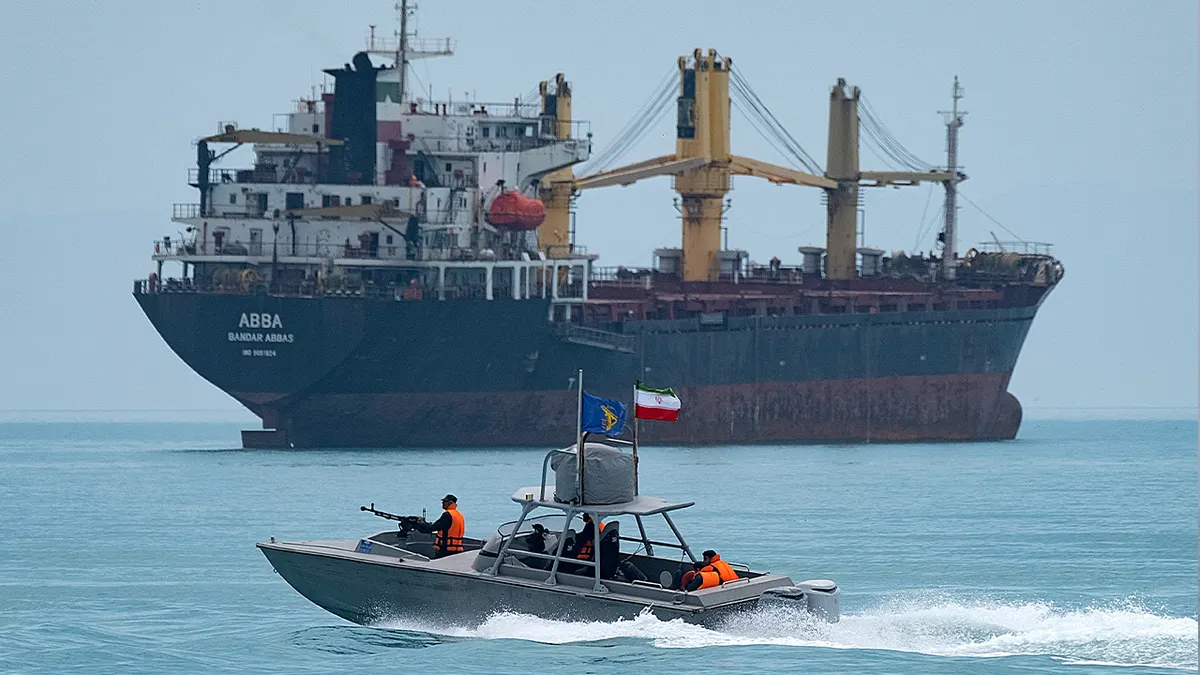
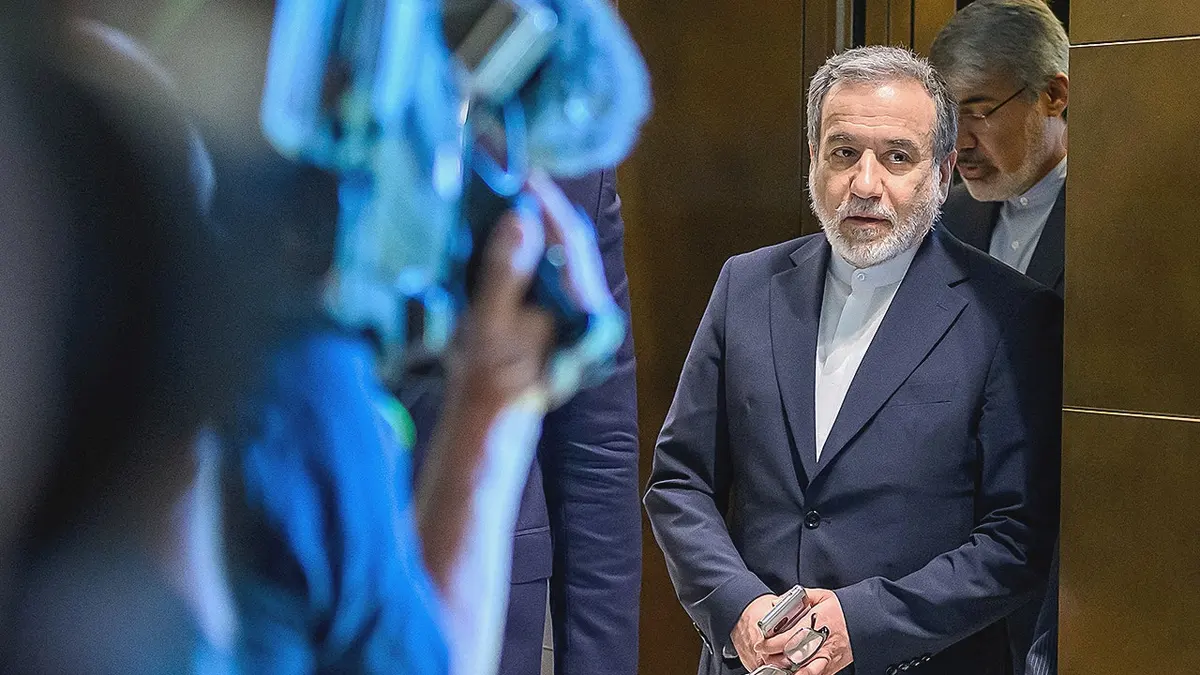
Tehran is leveraging this physical control over shipping lanes to extract concessions from Washington. Iranian Foreign Minister Abbas Araghchi outlined a proposal submitted to the U.S. through Qatari mediators, offering to reopen the strait and restore normal maritime traffic within seven days if specific conditions are met. Araghchi spoke to reporters in Baghdad, according to Reuters.
“Our situation is clear and based on the seven-day proposal presented to the US. They shared comments which we are reviewing, but our proposal is still on the table and if there is any honesty on the US part, which there isn’t, the way to reopening the Strait of Hormuz is obvious,” Araghchi said, Reuters reported.
Negotiations stalled after Mohsen Rezaei, secretary of Iran’s Supreme National Security Council, dismissed the latest American response as “insufficient,” according to IRNA and Reuters. Rezaei, a former Revolutionary Guard commander, stated that while Washington accepted some of Iran’s seven conditions, Tehran stopped responding until the U.S. clarifies outstanding issues.
The financial dispute extends beyond transit tolls. A disagreement over who controls and monitors billions of dollars in potentially unfrozen Iranian assets derailed talks that opened Sunday in Switzerland, according to Reuters.
Attacks on commercial vessels around the chokepoint surged over the past two weeks. Senior Iranian officials told Reuters that Tehran deliberately shifted its strategy for targeting commercial ships during that period.
The last time the U.S. faced a comparable mining threat in these waters was 1988, when the frigate USS Samuel B. Roberts nearly sank after hitting an Iranian mine. That incident triggered Operation Praying Mantis, the largest American naval surface engagement since World War II. Today, clearing the 1968 route requires diplomatic resolution first. “Our role right now is to prepare for when we have the opportunity to go back, resume the operations… but not until the root causes are addressed and those are beyond IMO,” Dominguez said. U.S. Central Command did not immediately respond to a request for comment from Fox News Digital.