1.45 Billion Pumpkins Grown in 2025: The Post-Halloween Waste Problem
Municipal waste systems face massive November strain as 1.45 billion pounds of pumpkins require diversion from methane-producing landfills.
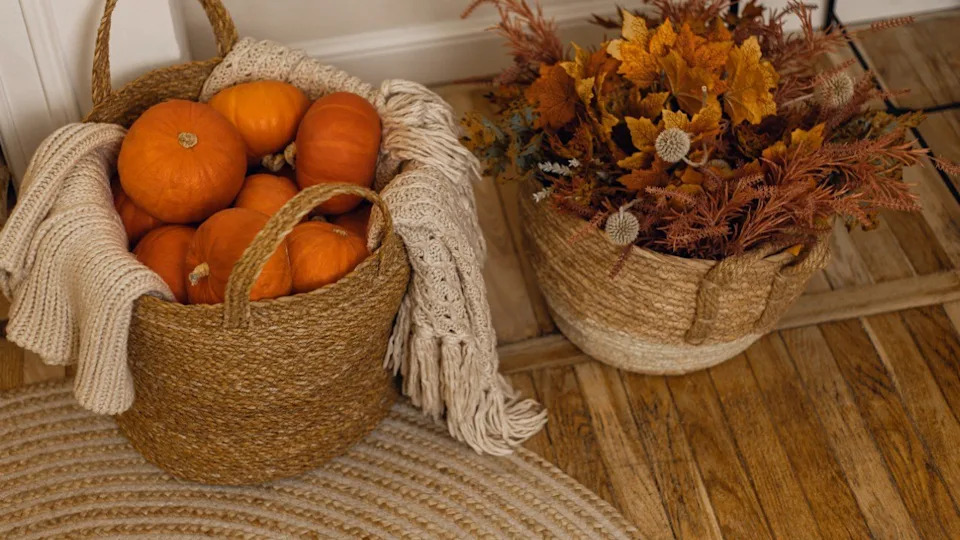
U.S. farms harvested 1.45 billion pounds of pumpkins in 2025, according to the Department of Agriculture. Within days of Halloween, a significant portion of that crop will end up in municipal landfills, where decomposing organic matter generates methane—a greenhouse gas roughly 80 times more potent than carbon dioxide over a 20-year period.
The disposal challenge falls directly on local waste management systems already strained by rising operational costs. Municipalities spend millions annually processing seasonal organic spikes. Diverting even a fraction of those 1.45 billion pounds away from trash compactors and toward agricultural or consumer reuse channels alters the economics of the entire post-holiday cleanup cycle.
Animal sanctuaries have emerged as one immediate pressure valve. Forget Me Not Animal Sanctuary in Las Vegas accepts pumpkin donations for rescue pigs, chickens, cows, horses, goats, and sheep, according to founder Kierra M. Johnson. Local shelters routinely absorb surplus gourds that would otherwise require commercial hauling and tipping fees at dump sites.


Soil enrichment offers another structural outlet. Meredith McAllister, owner of Compost Collective in Kansas City, Missouri, noted that residents without dedicated compost bins can cut leftover pumpkins into smaller portions and mix them directly into garden soil. Seeds removed prior to soil integration prevent unwanted volunteer squash from sprouting alongside spring vegetables. Several municipalities now operate seasonal drop-off facilities specifically designed to process the November pumpkin surge into usable compost rather than landfill mass.
Wildlife feeding requires geographic calculation. While uncarved or halved pumpkins attract squirrels and birds, the National Wildlife Federation warns that placing them outdoors in bear territory risks drawing large predators into residential zones.

Consumer repurposing extends the commodity lifecycle well past October. Heather Schisler of Passion for Savings uses intact pumpkins as daily gratitude markers through Thanksgiving. The Wine Cellar Group in Walpole, Massachusetts, hollows them out as functional ice buckets for beverages, according to Gina Martirano. Elise Franklin of Fleur Elise Floristry in Chelmsford, United Kingdom, lines carved interiors with cellophane and water-soaked floral foam to create waterproof centerpieces secured with kebab sticks.
From a nutritional standpoint, the seeds represent concentrated value. Registered dietitian nutritionist Nichole Dandrea states that a single ounce of pumpkin seeds delivers approximately 5 grams of fiber and 7 grams of protein, along with vitamins and healthy fats. She recommends roasting them using chile powder, garlic powder, salt, and lime juice.

Marielle Shortell, co-founder of housewares rental service Hestia Harlow in North Bethesda, Maryland, advocates spray-painting whole pumpkins in white gloss or metallic finishes, gluing lace appliques, or decoupaging them with leftover wallpaper and fabric scraps to serve as winter holiday decor. Jenn Harris constructs snowmen by hot-gluing spray-painted white pumpkins together, repurposing the original stems as noses for December displays.