Ford’s Camera Patent Reveals Automakers’ Push to Monetize Mandated Safety Hardware
Safety hardware repurposed for commercial data collection
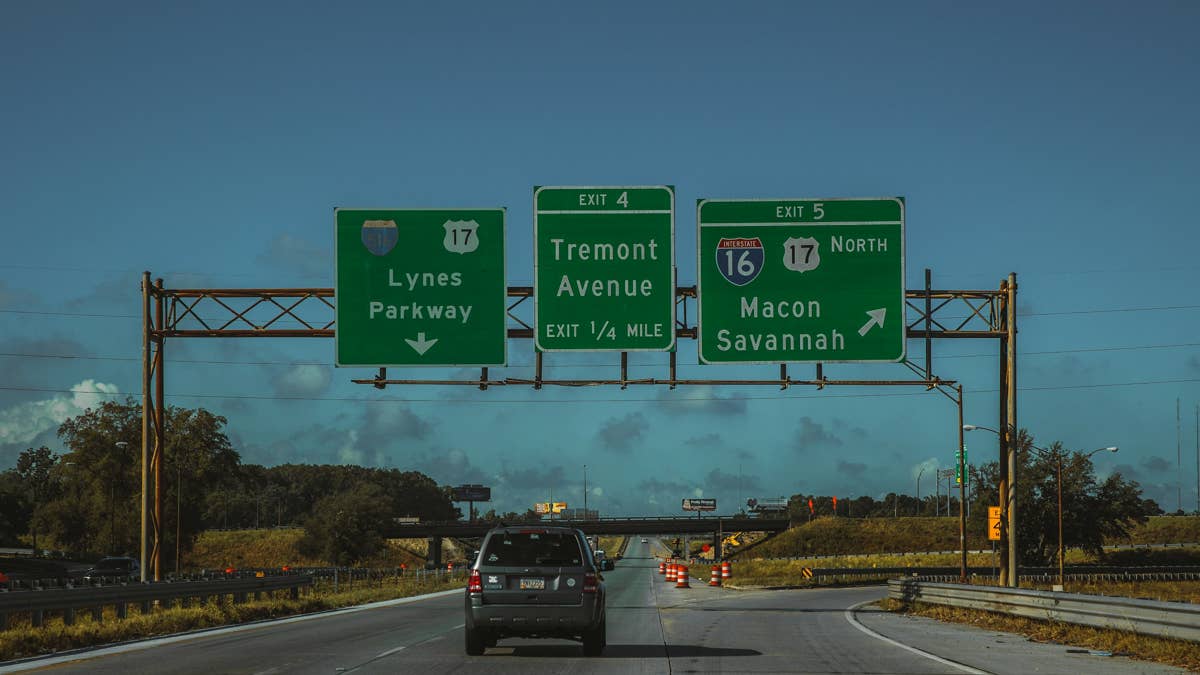
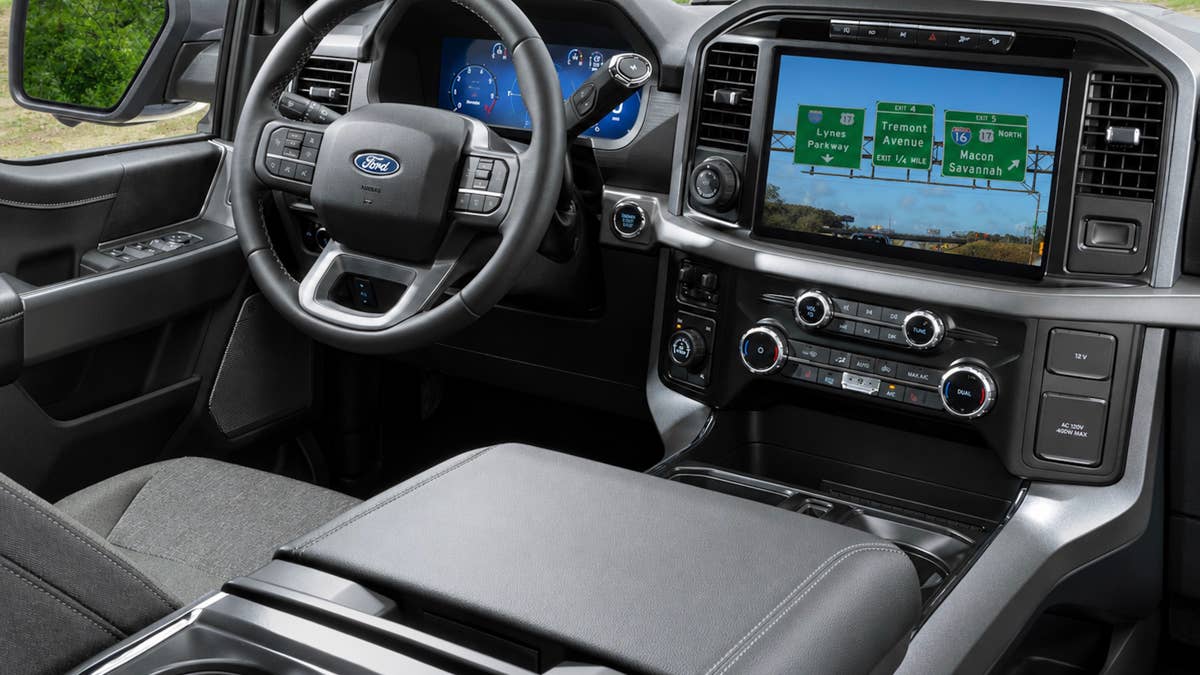
Ford’s latest patent application reveals a strategic shift unfolding across the auto industry: manufacturers are racing to extract commercial value from camera systems originally mandated for safety. The filing, published October 15 and first surfaced by Carmoses, describes using forward-facing cameras — already standard on millions of vehicles for crash avoidance and speed-limit recognition — to photograph and catalog roadside billboards, then serve those images to passengers via center-screen displays or AI chat interfaces.
The patent frames the feature as a convenience: a driver misses a rest-stop sign at 70 mph, the passenger pulls up the photo, and the car’s AI assistant answers “where’s the next coffee?” by referencing the most recent billboard image tagged with GPS coordinates and timestamps. But the underlying play is harder-edged. Automakers have spent billions deploying camera suites to meet NCAP and regulatory requirements. Now they need return on that sunk cost.
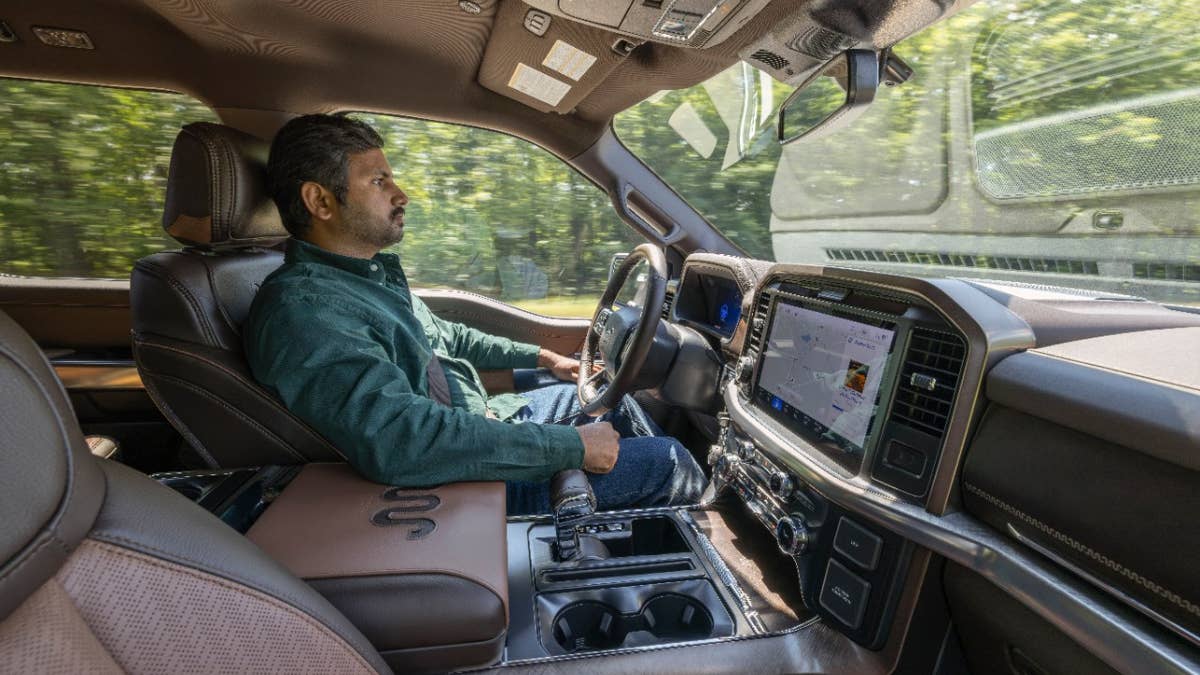
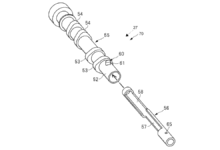

“The hardware is already in place,” the filing notes, and that sentence carries the real story. Ford’s current Speed Sign Recognition reads speed-limit signs and adjusts adaptive cruise control automatically. The new patent extends that same optical pipeline to capture every commercial sign along the road — gas prices, hotel vacancies, fast-food exits — building a geolocated visual index of the commercial landscape as the vehicle moves.
Privacy advocates will note the implication: a rolling, crowdsourced database of roadside imagery, updated in real time by millions of private vehicles. The patent limits onboard storage to 15 minutes and restricts screen access to passengers, a clear nod to distracted-driving regulations. But it also describes integration with in-vehicle AI assistants that could query the image archive via natural language. Data partners, advertising networks, and location-based service providers are unnamed but implicit in the architecture.
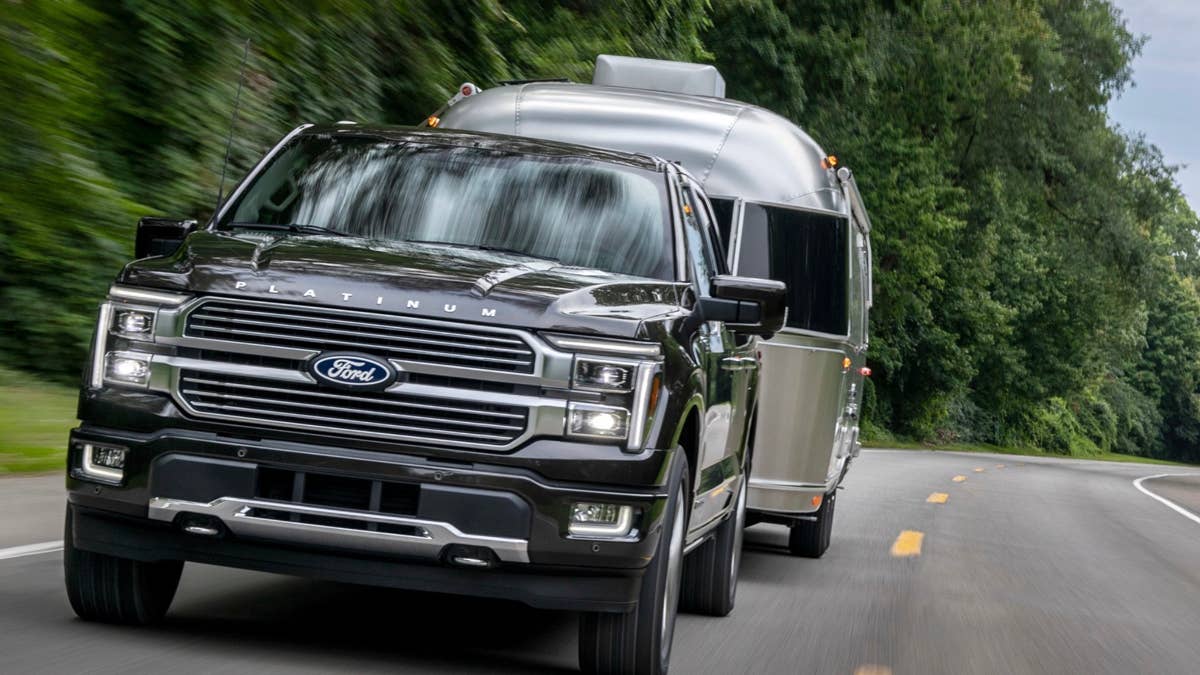
Ford is not alone. General Motors, Mercedes-Benz, and Tesla all operate fleets with comparable forward-facing optics and over-the-air update capability. The competitive dynamic has shifted from “who has the best crash-avoidance” to “who can layer the most services on top of the sensor suite.” Patents for lip-reading infotainment (another recent Ford filing) and cabin-facing driver-monitoring cameras follow the same logic: maximize the revenue surface area of hardware that regulators already forced into the bill of materials.
Production viability remains uncertain. The patent-to-showroom pipeline is littered with concepts blocked by cost, regulation, or consumer indifference. Ford’s challenge is proving enough drivers find the feature valuable to justify the data partnerships, privacy compliance, and software integration work. If adoption follows the pattern of connected-services subscriptions — low single-digit attach rates — the business case thins quickly.
For now, the patent signals intent. The cameras watching the road for safety are being repurposed to watch the road for commerce. Whether drivers and passengers opt in — or even notice — will determine if this becomes a standard feature or another filing gathering dust in the USPTO archive.