United CEO’s Wealth Tax Pitch Tests Loyalty of Top Fliers
Advocating for a 100% inheritance tax risks alienating the high-spending frequent fliers who drive United's revenue.
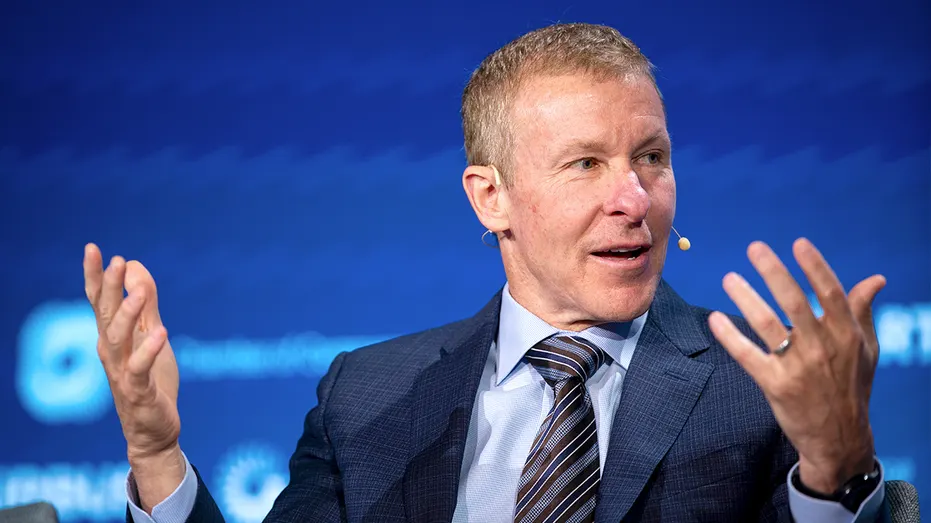
Airlines have spent the past decade engineering loyalty programs to extract maximum revenue from their wealthiest customers. United Airlines CEO Scott Kirby is now testing whether those same passengers will tolerate being lectured about redistributing their fortunes.
Kirby told The New York Times that the federal government should impose a national wealth tax and an inheritance tax approaching 100 percent at certain thresholds, calling wealth inequality a “danger to our society.” He offered no specific rates or dollar thresholds for either proposal.
The remarks target the exact demographic that subsidizes United’s profit margins. Frequent-flier programs are built on tiered pricing structures that charge premium travelers exponentially more for marginal comforts. During the same interview, Kirby defended charging economy passengers extra to avoid middle seats. “There are some customers who want to sit in a window seat or a better seat, and that costs money to deliver,” he told the Times.

That dual posture — demanding higher fares from business travelers while publicly advocating for the near-total confiscation of inherited wealth — risks alienating the airline’s most profitable segment. High-net-worth individuals and corporate road warriors disproportionately purchase the first-class cabins and flexible tickets that generate the bulk of carrier revenue.
Reaction on X was immediate, with several users threatening to shift their travel spending to competitors. “And just like that @united will never get another dime from me,” one user wrote. Another directed criticism at the carrier’s core operations rather than its executive’s politics: “@united your CEO is making me question flying your airline. Flight safety, price, timeliness. That should be his focus. How about we start with not charging $500 for basic 2 hour domestic routes?”
Corporate leaders occasionally wade into tax policy debates, but doing so while running a consumer-facing brand dependent on affluent clientele carries distinct financial risks. California Governor Gavin Newsom recently urged voters to reject a state-level billionaire tax initiative, warning of capital flight, even as he pitched a nationwide tax increase as an alternative, according to reports.
Kirby’s own compensation places him firmly within the economic bracket his proposed policies would target. He earned approximately $32.3 million in total compensation for fiscal year 2025, including salary, stock awards and performance incentives, according to United’s 2026 proxy statement. That figure is roughly 334 times the airline’s median employee pay of $96,670.
FOX Business asked United how Kirby reconciles his $32.3 million compensation package with his warnings about wealth concentration, and whether he plans to voluntarily reduce his own pay. The network reported it did not receive a response to either question.
Shares of United Airlines Holdings Inc. (UAL) traded at $95.60, down 0.52 percent.