U.S. Purges DeepSeek AI From Federal Systems Ahead of Xi-Trump Summit
The July directive targets open-source models and third-party software as Washington and Beijing clash over AI governance ahead of APEC.
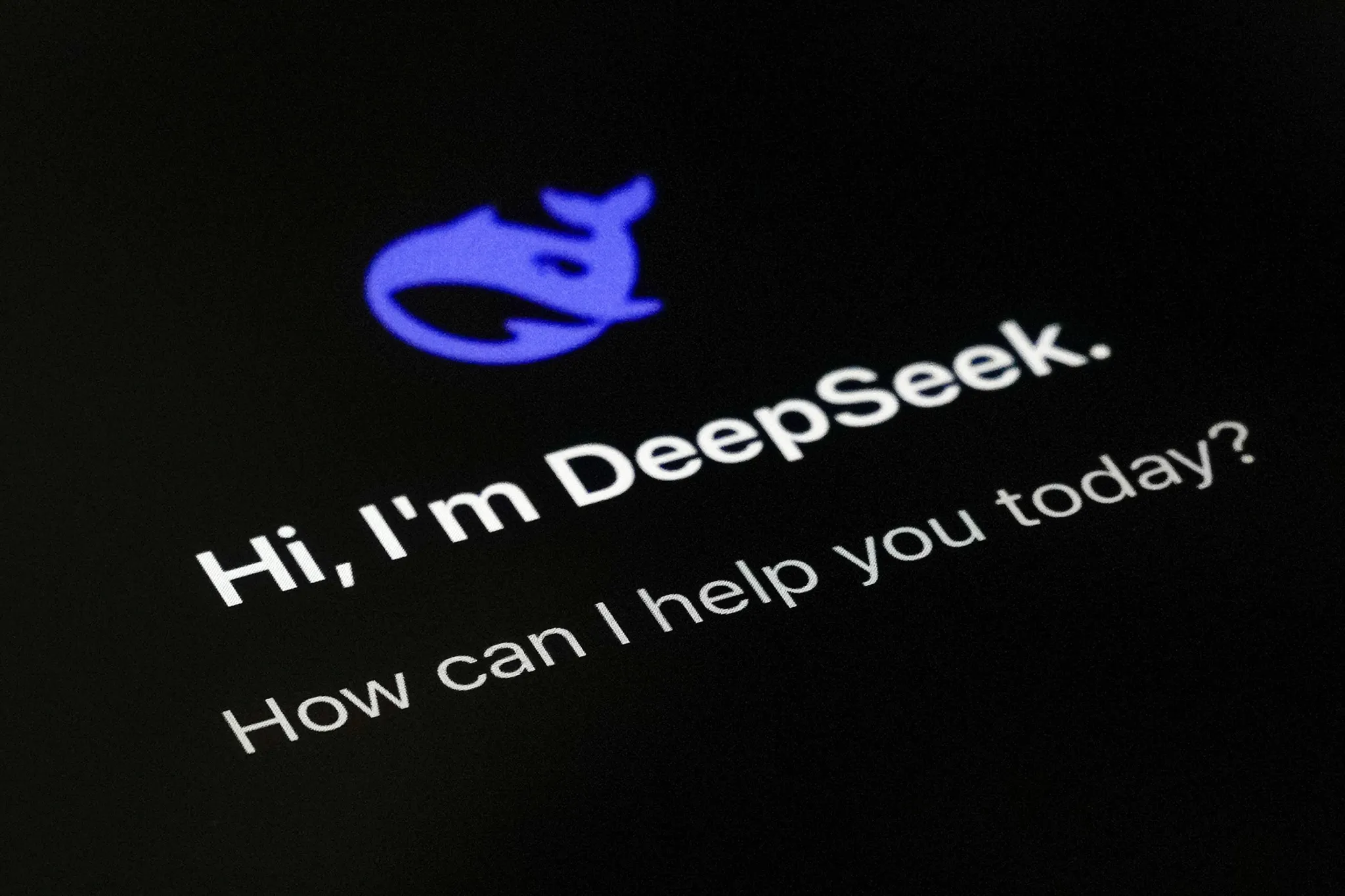
Federal civilian agencies have been ordered to strip DeepSeek artificial intelligence models from their networks, a directive that escalates the U.S.-China technology war weeks before President Donald Trump and Chinese President Xi Jinping meet in Shenzhen.
The Department of Homeland Security issued the mandate in late July, though it only became public Monday following publication in the Federal Register. The order requires agencies to remove DeepSeek and its affiliated products from all IT systems. It also covers third-party software built using the Chinese company’s technology and blocks any future procurement of its services by civilian departments.
DeepSeek’s open-source architecture has made it one of the most widely deployed AI frameworks globally, including inside the United States, where developers have used its mostly free models extensively. The Federal Register notice alleges these tools “present multiple threat vectors,” specifically citing server locations in China and the risk that Chinese authorities could access private infrastructure and sensitive U.S. data.


Beijing pushed back immediately. Chinese Foreign Ministry spokesperson Mao Ning told reporters at a regular press conference that China “will resolutely safeguard the legitimate rights and interests of Chinese companies.” She accused Washington of “overstretching the concept of national security and the politicizing of science, technology, economic and trade issues.” DeepSeek did not immediately respond to a request for comment.
The timing complicates preparations for the mid-November Asia-Pacific Economic Cooperation leaders’ summit, where AI is expected to feature prominently on the agenda. While Washington and Beijing recently advanced discussions on AI governance—including a U.S. proposal for a notification system regarding national security-related incidents—the underlying trade conflict continues to deepen.
U.S. export controls already prevent China from acquiring the world’s most advanced AI chips and semiconductor manufacturing equipment. In response, Beijing last week proposed new restrictions on the export of certain advanced AI models. American officials have separately accused Chinese startups, including DeepSeek, of large-scale “distillation”—extracting capabilities from frontier U.S. AI models—a charge Beijing dismisses.
The DHS directive follows a pattern of widening federal prohibitions on Chinese technology. Earlier this year, the U.S. Federal Communications Commission announced a ban on imports of new foreign-made humanoid robots, a move industry observers interpreted as targeting Chinese manufacturers.