Reliance’s Texas Refinery Looms Over U.S.-India Trade Talks
A planned $300 billion Reliance refinery in Texas is driving negotiations to lower tariffs and shift India away from Russian crude.
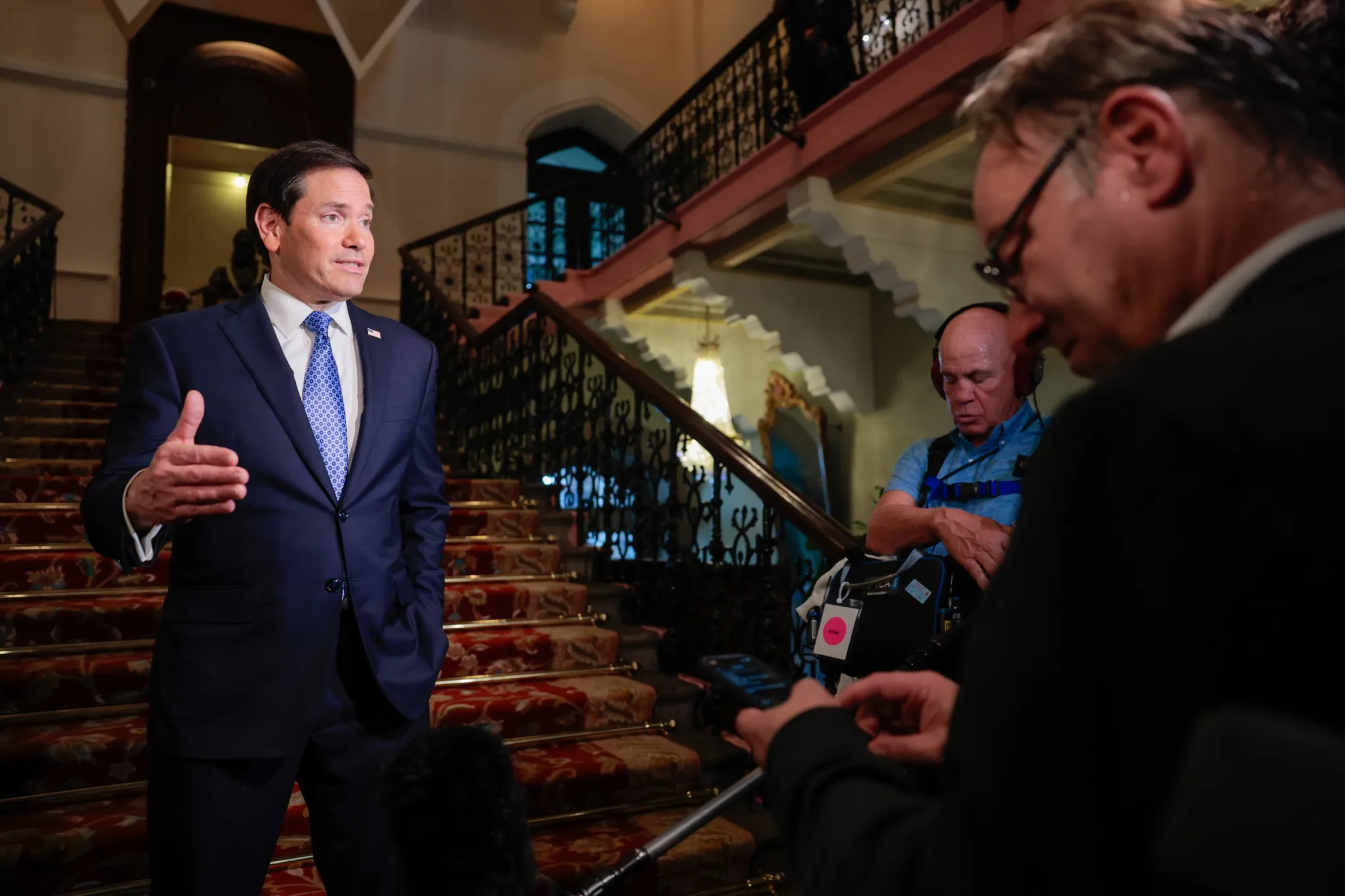
A $300 billion refinery investment in South Texas has become the quiet centerpiece of U.S. efforts to finalize a trade agreement with India, as Secretary of State Marco Rubio travels to Gujarat this week to inspect the Indian conglomerate behind the deal.
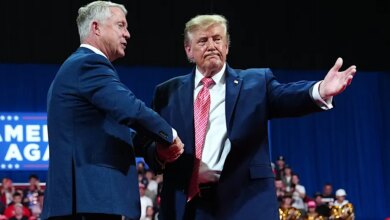
Rubio is scheduled to visit Reliance Industries’ Jamnagar complex on Wednesday, according to the U.S. State Department. The facility is the world’s largest refining hub. Its operator, controlled by billionaire Mukesh Ambani, announced plans in March — alongside U.S. President Donald Trump — to build a massive oil refinery in Brownsville, Texas.
That Texas project anchors Washington’s strategy to secure Indian capital commitments while pressuring New Delhi to reduce its reliance on discounted Russian crude. Since February 2022, India has purchased vast quantities of Russian oil, a practice that strained bilateral ties and complicated broader economic negotiations.


The diplomatic push follows months of tariff volatility. Washington imposed duties of up to 50% on most Indian goods in August 2025 after earlier talks collapsed. A February framework lowered that rate to 18%, but progress stalled shortly after. Finance Minister Nirmala Sitharaman said earlier this month that negotiations had “plateaued,” though Commerce and Industry Minister Piyush Goyal countered last week that the first tranche of an agreement was nearing completion.
“We’re very, very close. I would say we’re about as close as you can be without having executed the agreement,” Rubio told reporters in Mumbai on Tuesday following meetings with Indian Foreign Minister Subrahmanyam Jaishankar. He added that only a “small number of items” remained unresolved.
New Delhi insists its final tariff rate must match those applied to competing manufacturing exporters such as Vietnam. That demand reflects the intense pressure on Indian manufacturers operating under the current 18% levy.
Energy security dominated a separate trilateral meeting in Mumbai between Rubio, Jaishankar, and United Arab Emirates Foreign Minister Sheikh Abdullah bin Zayed Al Nahyan. Rubio described the session as an effort to advance “shared economic priorities.” Before departing for Asia, Rubio acknowledged on Saturday that while India has diversified its energy portfolio, an immediate pivot away from Russian suppliers remains difficult.
“You’ve got countries like India, for example, that have voluntarily diversified their energy portfolio, but are still getting a substantial amount of energy from Russia because it’s hard to pivot from one day to the next,” he said. “But they’re also an important ally and partner of the United States.”
Jaishankar confirmed the bilateral discussions covered defense, technology, and regional developments. Despite persistent friction over tariffs and Russian oil purchases, Washington continues to treat India as a primary counterweight to China in the Indo-Pacific, deepening military and technological cooperation even as trade disputes linger.
Rubio’s stop in Mumbai followed a trip to Uzbekistan aimed at expanding American commercial ties in Central Asia. He last visited India in May.