Musk Pledges $10.5B in SpaceX Stock to U.S. Children
The $10.5 billion stock distribution would reduce the billionaire's SpaceX holdings by only 1.5%
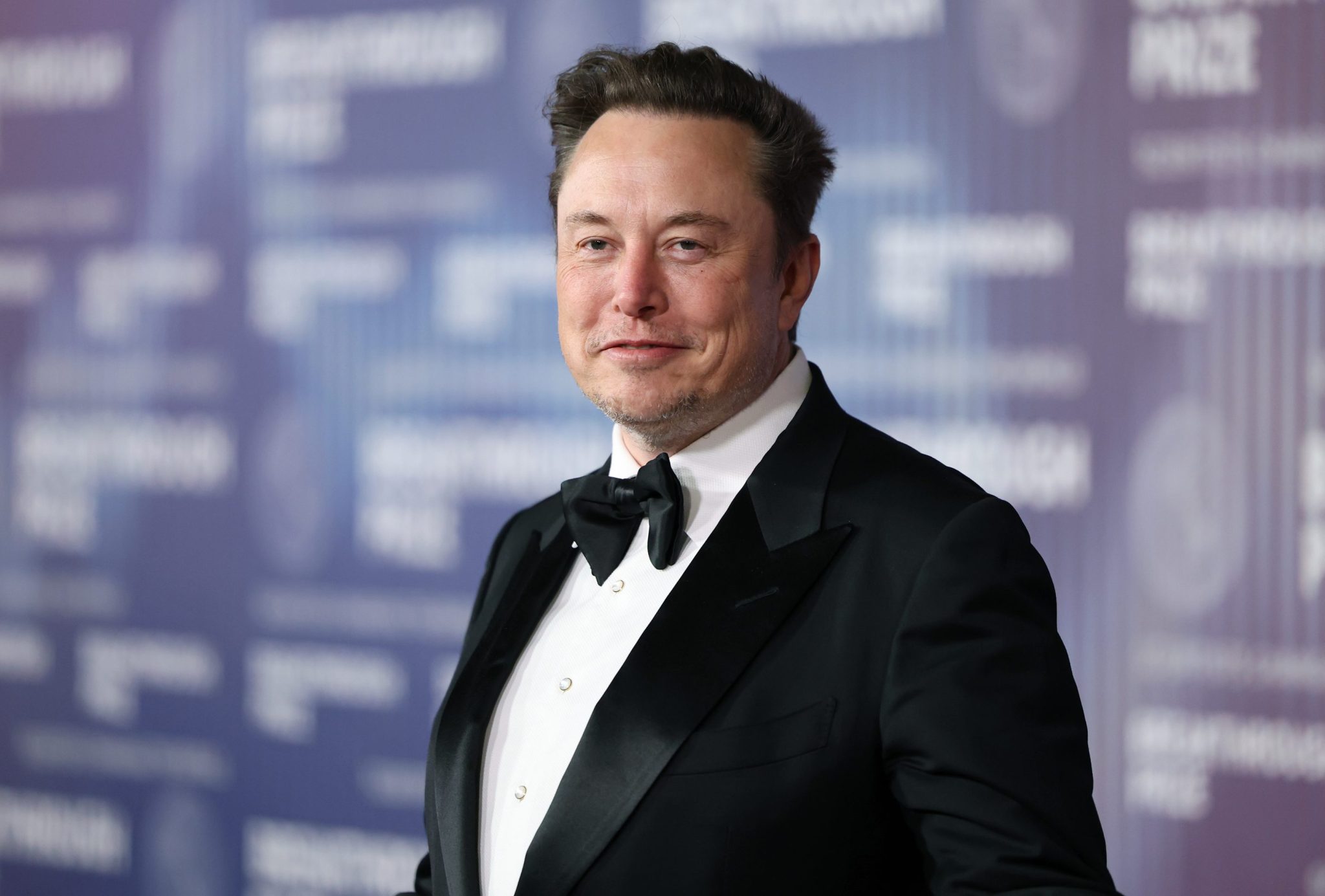
Elon Musk announced he will distribute one SpaceX share to every child in the United States next year, a pledge that would transfer roughly $10.5 billion in aerospace stock to approximately 72 million minors. The commitment, posted on X, lacks any disclosed timeline or legal mechanism for execution.
“Next year, I will give one of my SpaceX shares to every kid in America,” Musk wrote. “This will be the first of many.”
The proposal surfaced immediately after artificial intelligence firm Anthropic announced plans to allocate 5% of its shares to a public benefit fund. Musk responded directly to that news on X, writing: “I recommend giving the shares directly to the public.” He then extended the concept to his own holdings at SpaceX, which went public earlier this year.

According to an August filing with the Securities and Exchange Commission, Musk holds about 4.8 billion SpaceX shares, a figure that rises to 6.4 billion when unvested awards and stock options are included. Based on the company’s closing stock price Friday of $146.03, distributing 72 million shares to Americans under age 18 would reduce his total equity stake by just 1.5%. His current net worth stands at $904 billion.
Transferring securities to minors involves complex regulatory hurdles. Existing federal frameworks such as the Uniform Transfers to Minors Act require custodial accounts managed by adults until beneficiaries reach legal age, meaning children could not independently trade or liquidate the stock. Musk provided no details on whether SpaceX intends to establish a proprietary trust structure or rely on existing financial infrastructure. Fortune reported it reached out to SpaceX for comment.
The pledge parallels recent federal action aimed at building early wealth for younger Americans. Earlier this month, the Treasury Department automatically enrolled millions of U.S. children in Trump Accounts, a new federal savings and investment vehicle seeded with a one-time $1,000 government contribution. Unlike that program, which relies on federal appropriations, Musk’s proposal depends entirely on the voluntary liquidation or transfer of private assets.
Distributing stock to minors contradicts another position Musk has staked out regarding automation. He has repeatedly predicted that AI and robotics will render traditional employment obsolete, creating what he calls an “age of abundance” where goods and services exceed human demand. In an interview last month with state-owned China Media Group, he said money itself might lose its function.
“My prediction is that there will be effectively universal high income,” Musk told the outlet. “In fact, it’s not clear to me that money will even matter in the future.”
Rather than funding that transition personally, Musk has argued the federal government should bear the cost. “Universal HIGH INCOME via checks issued by the Federal government is the best way to deal with unemployment caused by AI,” he posted on X in April.
His stated intention to offload the bulk of his fortune before death drew a direct challenge from Nobel laureate economist Daron Acemoglu. Responding to Musk’s predictions of a post-wealth society on X, Acemoglu called it an “opportunity to put your money where your mouth is,” urging the billionaire to donate his holdings within the next decade. Musk replied that he is “actually going to do something along these lines.”