Innovation Accounts Pitched to Give Americans AI Stock Stakes
Proponents suggest a $5 billion pilot could seed 1 million technology index accounts using philanthropic or government funds.
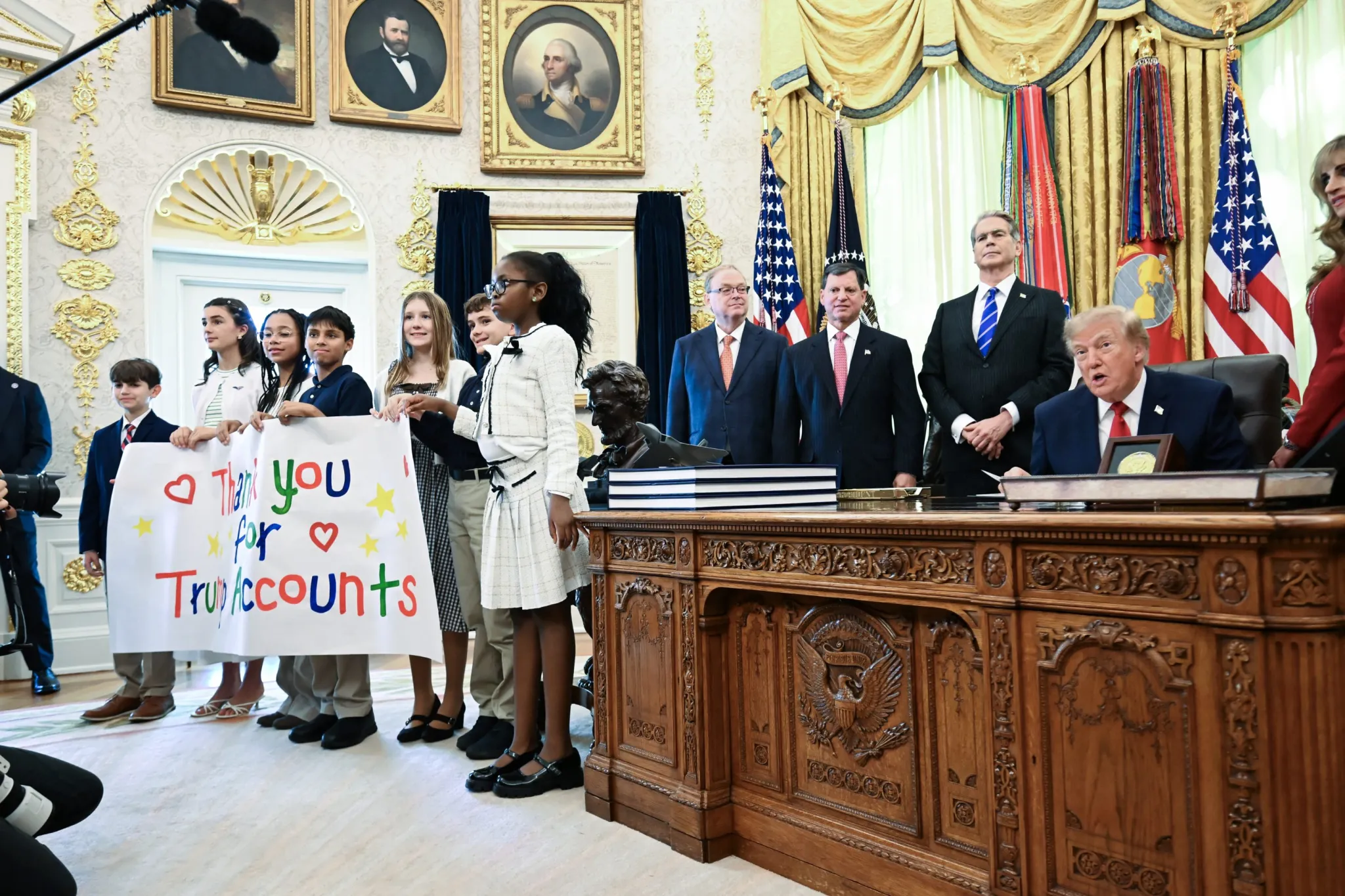
A proposal to seed government or philanthropy-backed stock accounts for American adults is gaining traction as a mechanism to distribute artificial intelligence wealth beyond Silicon Valley. The plan, detailed in a Fortune commentary piece, calls for depositing between $1,000 and $5,000 per adult into technology-stock index funds to create what proponents are calling Innovation Accounts.
The pitch arrives as the financial gap between tech investors and the broader public accelerates. Tech-focused hedge funds returned 27% on average during the first half of 2026, while the Nasdaq-100 climbed roughly 20%. Yet only 58% of American adults own stock, according to an April Gallup survey, with most holdings locked inside retirement accounts.
Universal basic capital has drawn backing from figures across the political spectrum, including MIT economist David Autor, OpenAI CEO Sam Altman and Senator Bernie Sanders. Proponents suggest a private-sector asset manager would run the diversified technology index fund under government oversight, allowing participants to cash out gains at set intervals.


Structurally, the concept extends the Trump Accounts established under the One Big Beautiful Bill Act. That existing law grants American children born from 2025 through 2028 a $1,000 government-funded market stake. Alaska’s Permanent Fund, which pays residents an annual dividend derived from state oil revenues, provides another operational precedent.
Funding a national rollout carries a steep price tag. Opening $1,000 accounts for every American over 18 — the age when Trump accounts end — would cost approximately $270 billion. Restricting eligibility to households holding less than $500,000 in wealth, representing about 70% of the population, lowers the estimate to $190 billion.
Targeting mechanisms remain unresolved. One option outlined in the proposal uses an unemployment trigger tied to North American Industry Classification System codes. Under that formula, workers in sectors where joblessness runs 1.5 times higher than the 10-year historical average would qualify first. Alternatively, philanthropy from AI founders, early employees and foundations at labs like OpenAI and Anthropic could finance a deficit-neutral pilot without congressional action.
A $5 billion test program, excluding administrative costs, could seed 1 million accounts at $5,000 each. Based on the Nasdaq-100’s 21% average annual return over the past decade, a $1,000 initial investment would generate $5,727 in gains over ten years. A $5,000 deposit would yield $28,635. Past performance does not guarantee future returns.
Federal interest in direct AI equity stakes has already surfaced. OpenAI reportedly floated giving the U.S. government up to a 5% stake in the company and suggested other leading AI companies do the same, according to Fortune. Both President Trump and progressive Democrats have publicly discussed public ownership models for artificial intelligence firms.