Tinder’s AI Push Ships Code Faster but Can’t Stop User Exodus
Matches are up 14% under new leadership, yet daily active users and quarterly revenue continue to slide.
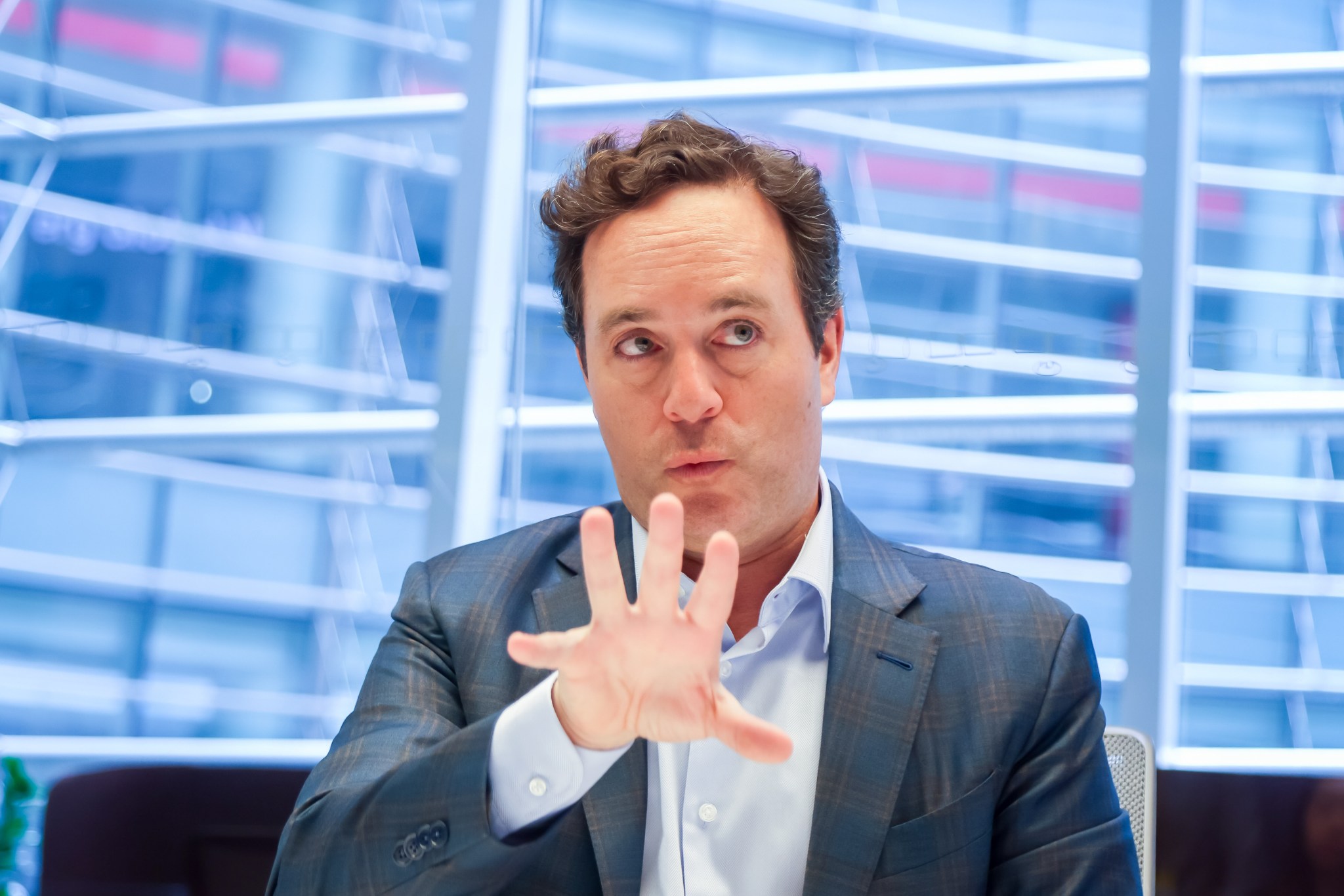
Tinder is shipping code 70% faster than it did a year ago. The dating app, owned by Match Group, launched a real-world events product in Los Angeles just eight weeks after conceiving it in January — a timeline CEO Spencer Rascoff estimates would have taken up to a year under previous management. Yet the engineering acceleration has not stopped the bleeding. In the second quarter, Tinder’s paying user base fell 5% to 8.5 million, daily active users dropped 4%, and revenue declined 1% to roughly $457 million, according to company earnings.
Rascoff, who took over as Match Group CEO in February 2025 and assumed direct control of Tinder in July, told Fortune that the company had “rested on its laurels for a long time.” He found employees measuring success against Wall Street profitability targets rather than product outcomes. To fix this, he introduced an internal metric called “sparks,” defined as conversations between matched users that reach at least six back-and-forth exchanges. Internal analysis of millions of messages indicated that hitting this threshold made users more likely to arrange in-person meetings.
The overhaul relies heavily on artificial intelligence to power matchmaking recommendations and speed up development cycles. Rascoff said matches are up 14% year-over-year and more users are reaching the spark threshold. But converting those engagement metrics into subscriptions remains the core problem. Tinder’s 2024 performance foreshadowed the current struggle, with its paying user base declining 7% while revenue grew just 1% that year.


Dating apps face a structural paradox that other subscription software businesses do not. A perfectly effective matchmaking algorithm eliminates the need for the service entirely. Competitors like Bumble and Hinge (also owned by Match Group) have attempted to navigate this by targeting specific demographics or relationship intentions, while newer entrants leverage AI-native interfaces to bypass the traditional swipe mechanic altogether.
Tinder’s response includes double-date features designed to lower the intimidation factor of meeting strangers, alongside the rapid rollout of local events where users can connect in person. The company also segmented its user base into two internal personas — Abby the anxious romantic and Jasmine the joyful butterfly — to guide product decisions.
The pressure to reverse the subscriber decline comes as the broader tech industry increasingly scrutinizes the return on investment for AI integration. While generative tools have demonstrably compressed Tinder’s software release cycles, the financial results show that faster feature deployment does not automatically arrest user churn in a market where consumer fatigue with dating apps has been building for years.