Melinda French Gates Rejects Radical Transparency at Work
The billionaire philanthropist's two-day waiting period for criticism directly challenges the instant-confrontation culture of executives like Ray Dalio.
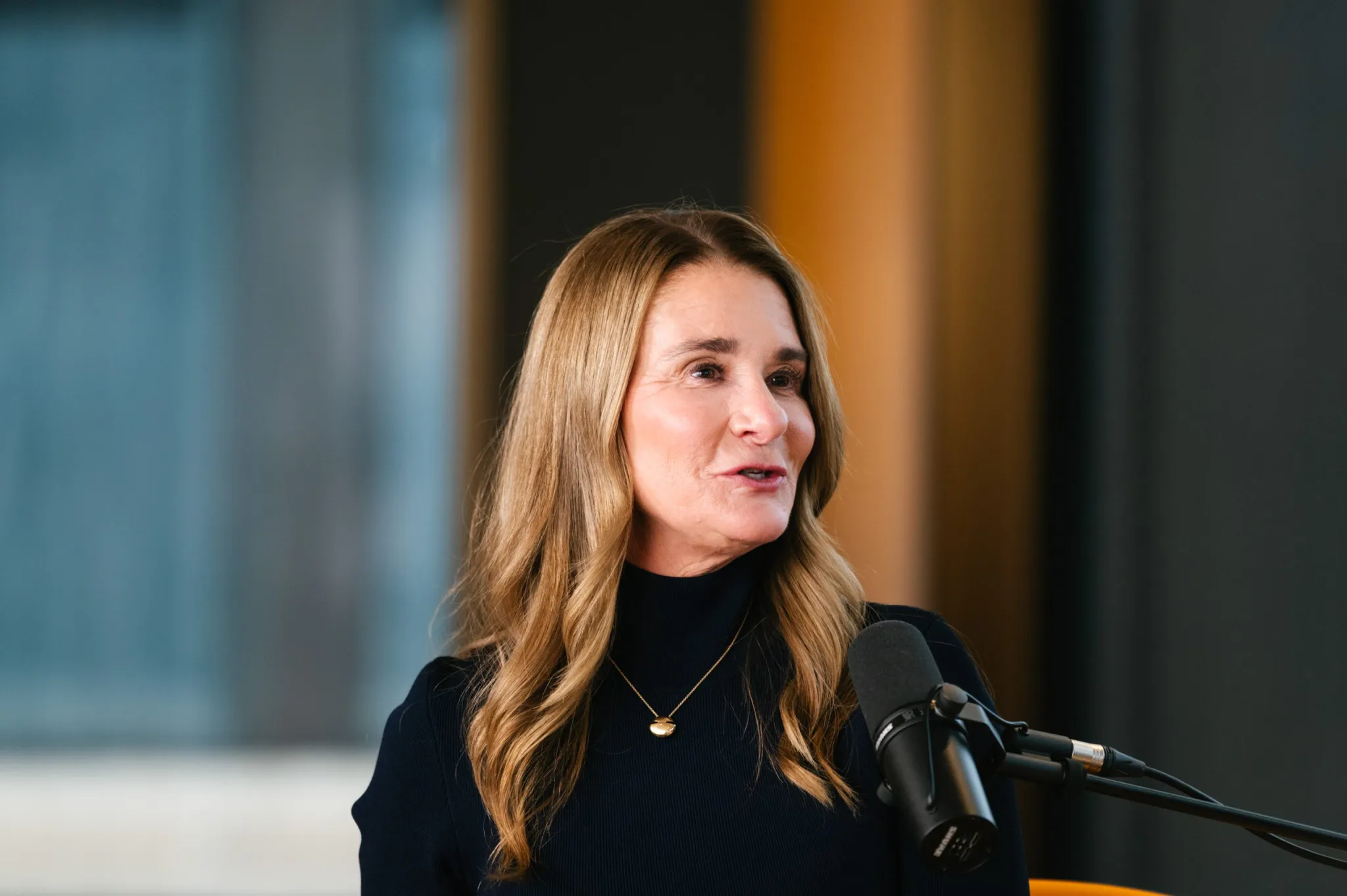
Melinda French Gates enforces a strict 48-hour window for delivering workplace criticism, a deliberate management rule that separates her leadership style from the immediate-feedback models favored by Wall Street and Silicon Valley executives.
Speaking on Bloomberg’s Leaders With Francine Lacqua podcast in March, the billionaire philanthropist outlined the policy she applies to every employee. If she is dissatisfied with completed work, the person responsible will hear about it within two days. No earlier. If 48 hours pass without comment, the silence functions as formal approval.
“You’re not going to get to your performance review and have a surprise,” French Gates said.


The delay is structural, not passive. She described using the time specifically to regulate her own emotional response before addressing subordinates. “If I’m angry about something [I do this] to calm down,” she told Bloomberg. “That‘s on me.”
This calculated pause stands in direct opposition to the real-time confrontation tactics institutionalized by other corporate leaders. Ray Dalio built Bridgewater Associates into the world’s largest hedge fund firm using a framework he calls radical transparency. Under that system, employees at every level deliver unfiltered criticism instantly, and nearly every meeting is recorded for postmortem analysis.
Dalio has cited instances of junior staff grading his meeting performance as a “D-” via email as evidence of functional trust. “If you start to realize, intellectually, that being really truthful with each other is something that is to be treasured,” Dalio told Business Insider, “it’ll build trust.”
French Gates rejects that immediacy. She frames her delayed approach as a method for preserving personal integrity and the recipient’s dignity, describing the eventual conversation as “gracious, thoughtful, before you go into it.”
Her current operational control stems from her 2024 departure as cochair of the Bill & Melinda Gates Foundation, the world’s largest private charitable organization, which she led starting in 2000. Following her divorce from the Microsoft founder, French Gates secured $12.5 billion in settlement funds to direct through Pivotal Ventures, an investment and incubation company she founded in 2015 focused on women and families in the U.S. She subsequently committed an additional $1 billion annually through 2026 to advance women’s power globally.
Within the broader Microsoft ecosystem, CEO Satya Nadella pursued a different cultural overhaul upon taking the helm, shifting the company away from what he termed a “know-it-all” environment toward a “learn-it-all” culture grounded in psychologist Carol Dweck’s research on motivation. “The learn-it-all will always trump the know-it-all in the long run, even if they start with less innate capability,” Nadella told Bloomberg in a 2016 interview.
While Nadella focused on psychological safety and Dalio mandated instant friction, French Gates relies on a fixed timeline. “I don’t mind conflict,” she told Bloomberg. “I learned to do it in a way for me that maintained my integrity.”
A version of this story was published on Fortune.com on March 27, 2026.