Costco, Nike, GM CEOs Rose From Hourly Jobs to the Top
Executives at Walmart, Nike, and GM skipped the traditional MBA pipeline, building decades-long careers from the warehouse floor to the boardroom.
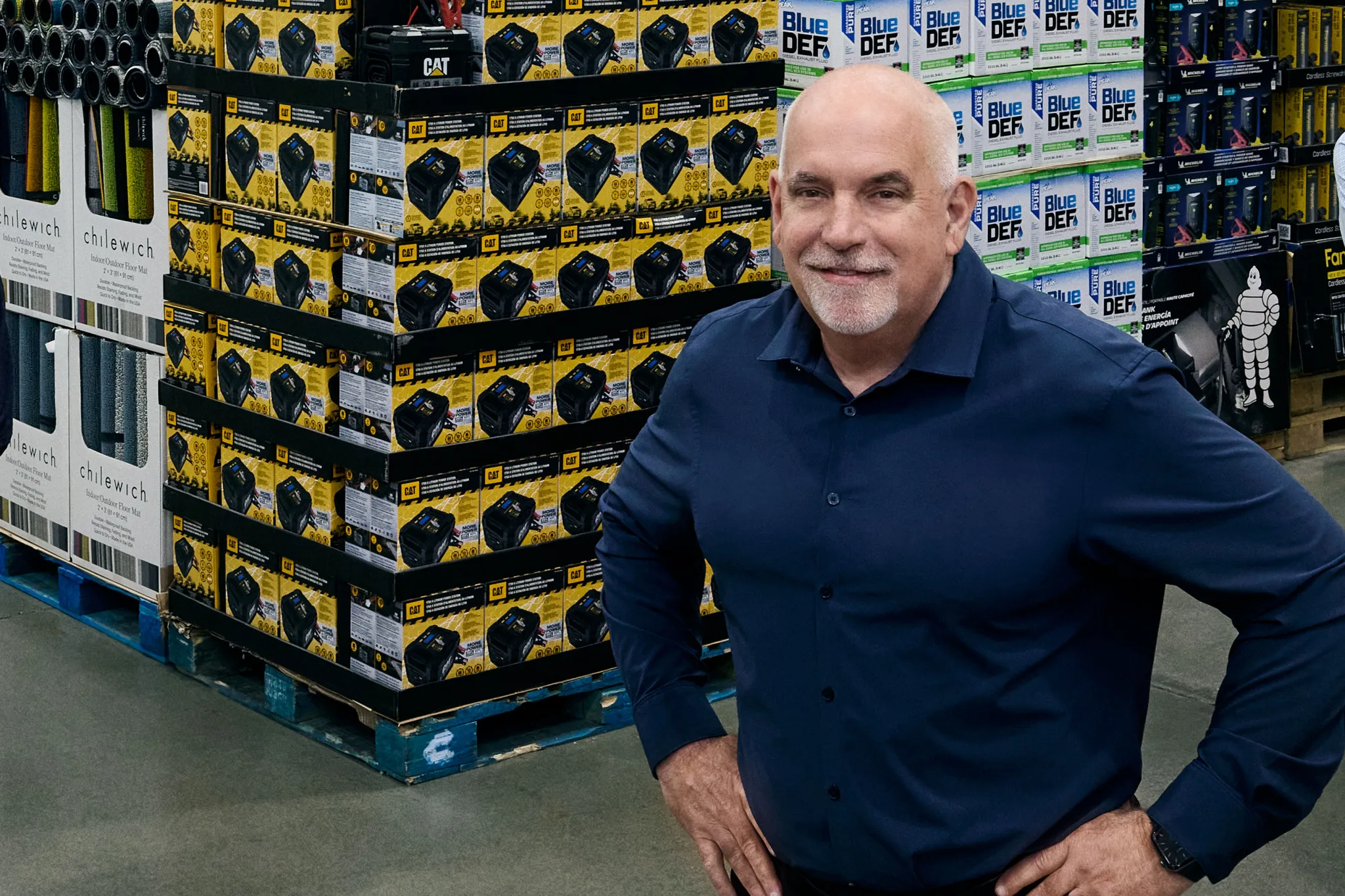
Ron Vachris drove a forklift at Price Club in the early 1980s while attending Glendale Community College. He never finished his degree. By 2024, he was chief executive officer of Costco Wholesale Corp., commanding a compensation package worth nearly $14 million.
Vachris is not an anomaly. The top executives currently running Walmart, Nike, and General Motors all started as hourly or entry-level workers within the same companies they now lead, bypassing the traditional pipeline of elite MBA programs and external executive hires that dominate most Fortune 500 boardrooms.
The trend reflects a specific operational reality inside America’s largest retailers and manufacturers. Companies managing hundreds of thousands of employees increasingly reward decades of institutional knowledge over outside recruitment. When John Furner took over as president and CEO of Walmart U.S., he brought experience dating back to his first job as an hourly worker in a garden center. His predecessor, Doug McMillon, began by unloading trailers at a Walmart distribution center.


“I then put myself in an environment where I became a low-risk promotion because people had already seen me do the job,” McMillon said in an interview with Stratechery.
At Nike, Elliott Hill started as an apparel sales intern in 1988. He spent more than three decades moving through leadership roles across Europe and North America before the board named him CEO in 2024.
General Motors presents perhaps the starkest example. Mary Barra has only ever worked for one company. She started as a co-op student on the assembly line in the 1980s at what was then General Motors Institute, inspecting quality at the Pontiac Motor Division. Her first full-time role was as an electrical engineer. She later managed the Detroit-Hamtramck assembly plant before becoming CEO in 2014.
Barra has stated that growing up in manufacturing proved fundamental to her leadership, giving her firsthand insight into how every step of the production process shapes the final product.
This internal-promotion model stands in sharp contrast to broader corporate hiring trends. A 2023 study by Crist Kolder Associates found that roughly 30% of incoming S&P 500 CEOs were hired externally, often poached from competitors. Retail and heavy manufacturing, however, consistently skew toward homegrown talent. The sheer scale of these operations — Walmart alone employs roughly 1.6 million people in the United States — makes floor-level experience a quantifiable asset for boards evaluating risk.
For Vachris, the trajectory moved from assistant warehouse manager to regional vice president in 1999, chief operating officer in 2016, and finally CEO. Price Club, where he started, merged with Costco in 1993.
“Ten years ago, if you asked me if I’d be sitting here today, I’d tell you I doubt it very much,” Vachris said during a May 2026 appearance at the Economic Club of Chicago.
He credited his path to advice from his father, a utility lineman: “Take the worst job in a great company, and the rest is up to you.”
A version of this story was published on Fortune.com on June 8, 2026.