Volvo’s EX60 Megacasting Gamble Is Costing U.S. Dealers Sales
Factory bottlenecks force the Swedish automaker to prioritize European buyers, starving U.S. showrooms of inventory.
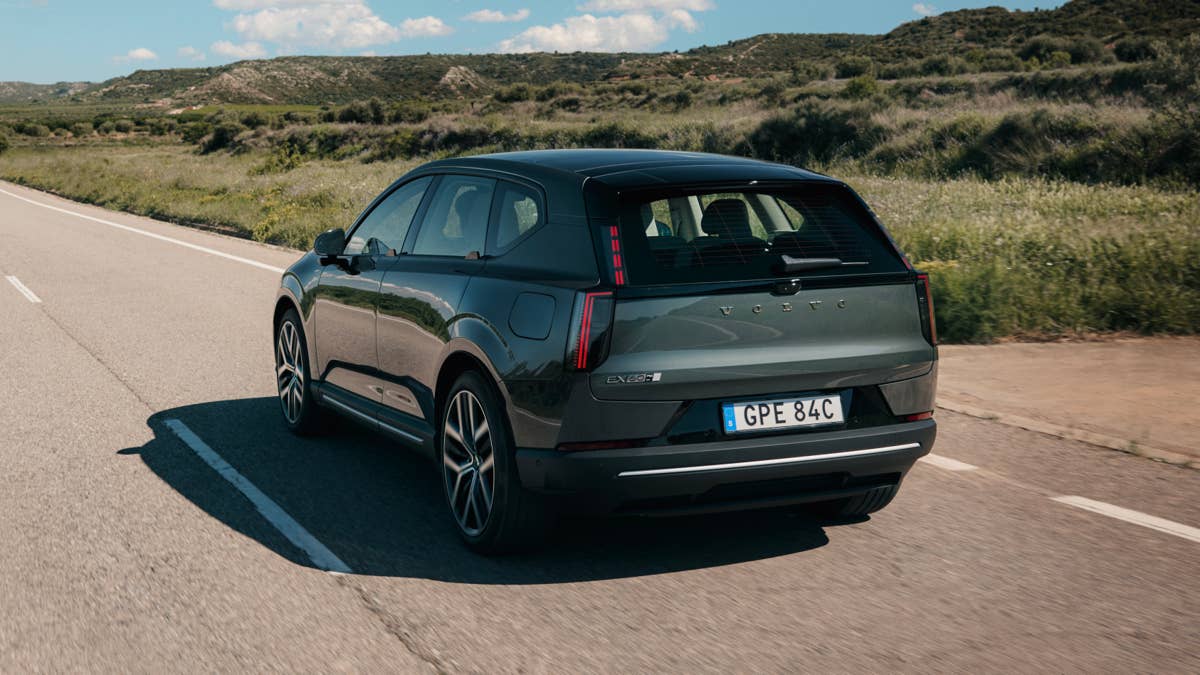
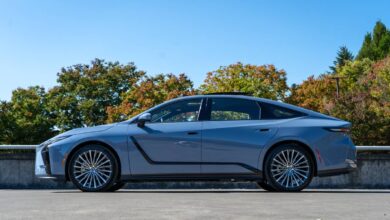
U.S. Volvo dealerships are staring down empty lots and frustrated customers as the automaker diverts its scarce supply of EX60 electric crossovers to Europe. The decision, forced by severe manufacturing bottlenecks at the company’s assembly lines, leaves American retailers with virtually no inventory heading into the final quarter of 2026.
The root cause is megacasting. Volvo adopted the technique—using massive presses to cast large sections of the vehicle chassis as single pieces—for the first time on the EX60. It didn’t go smoothly. Instead of hitting an internal target of 2,000 units per week following the April production launch, output has stalled at roughly one-tenth of that volume. GlobalData tracked U.S. sales at just 500 vehicles in July and 250 in August.
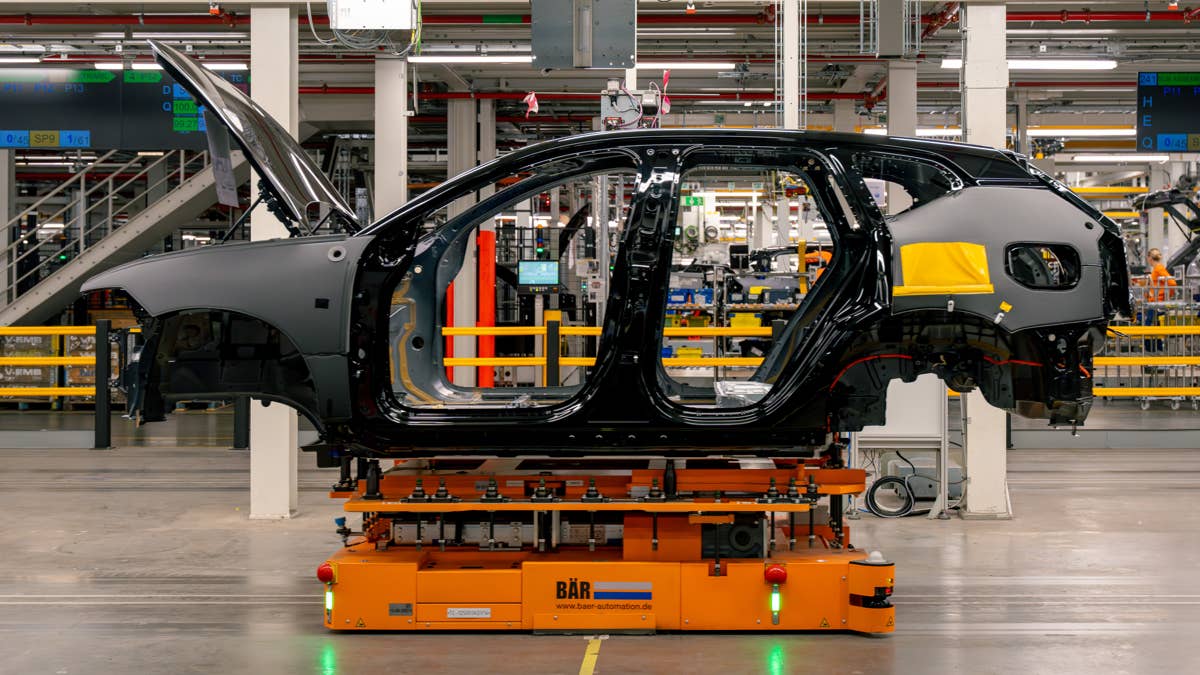
Tesla popularized gigacasting for the Model Y in 2020, but the process demands enormous upfront capital and flawless execution. A single defect in a multi-ton aluminum casting can scrap an entire rear underbody. Legacy manufacturers attempting the transition have repeatedly stumbled. Volkswagen delayed similar plans for its Trinity project, while Toyota restricted its megacasting ambitions to future Lexus models rather than risking current volume production.
Volvo paired the unproven casting method with a cell-to-body battery architecture. Spokesperson Jacquelyn Johnson acknowledged the delays, stating the combination introduced “industry-first, state-of-the-art concepts with no blueprints to copy.”
That lack of a blueprint is now dictating allocation strategy. With overall production crippled, Volvo prioritized European deliveries over the American market. U.S. reservation bookings opened in May, but those orders are largely unfilled. Normalization isn’t expected until the second half of next year.
The timing hands a direct advantage to competitors. BMW and Mercedes-Benz spent the last two years aggressively restructuring their EV lineups specifically to defend the compact luxury segment against new entrants. Buyers who reserved an EX60 face months of waiting. Many will simply cross the street.
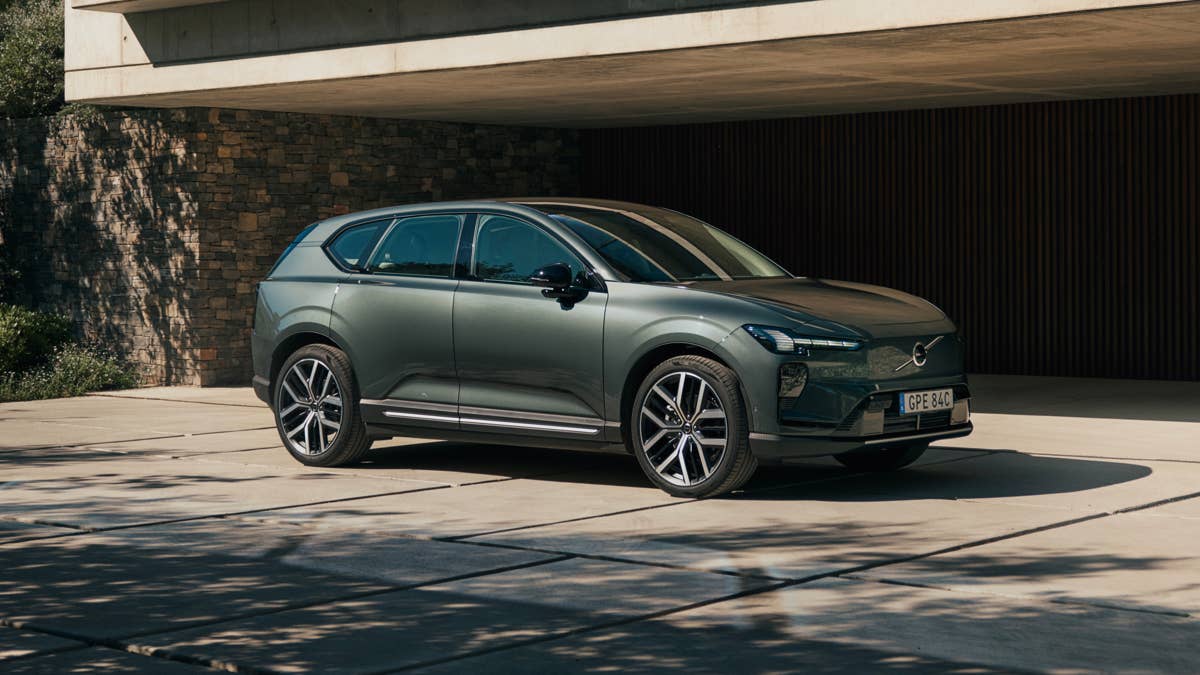
The missed window carries heavy financial weight. Volvo originally targeted 7,000 U.S. EX60 sales to anchor its broader electrification push. The base P6 RWD model starts at $58,400. All-wheel-drive P10 variants cost $60,750, while the Ultra trim reaches $66,400. The crossover offers up to 400 miles of range on a single charge.
CEO Håkan Samuelsson called the vehicle a “profitable growth driver” when production began six months ago. U.S. dealer networks are currently absorbing the cost of that projection falling short.