Diesel at $6.30 Drives U.S. Inflation Beyond Energy Costs
Freight surcharges and expiring fuel hedges are pushing core inflation to 2.6% as consumers lose their fiscal buffer.
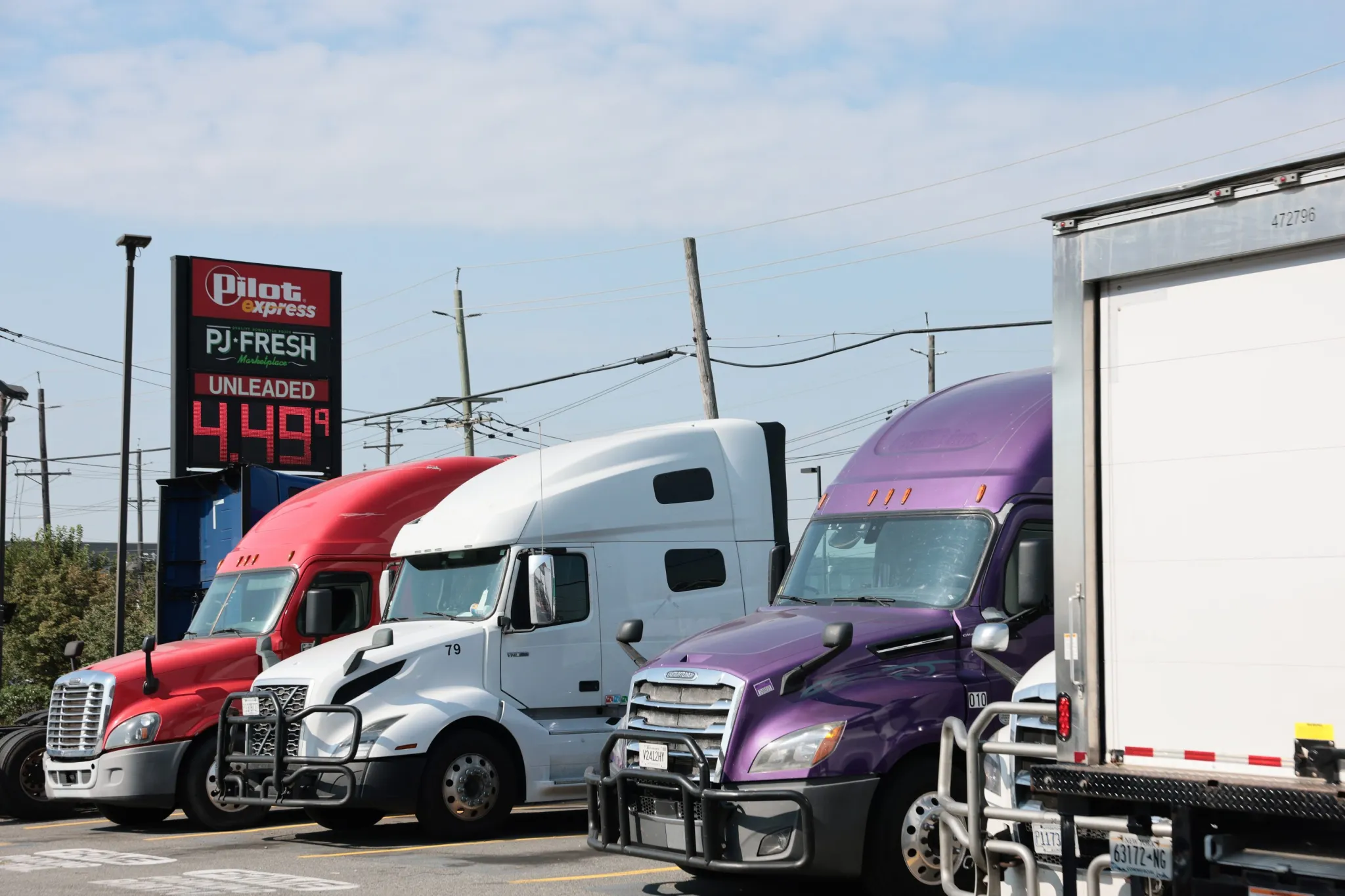
A gallon of diesel now costs more than the produce it transports across the country, a supply chain inversion that is pushing U.S. inflation into territory the Federal Reserve has spent two years trying to suppress.
Average diesel prices reached $6.30 a gallon on Wednesday, according to AAA, marking a 68% increase since the start of the Iran war eight months ago. While crude oil benchmarks have moderated slightly despite recent re-escalations in the conflict, refining bottlenecks continue to prevent wholesale price drops from reaching consumers. Unlike gasoline, which primarily affects household budgets, diesel serves as the foundational fuel for American freight, agriculture, manufacturing, and heavy construction. Its surge effectively acts as a tax on nearly every physical good moved within the United States.
The economic damage is no longer confined to energy markets. The Labor Department reported that core inflation, which strips out volatile food and energy prices, accelerated to 2.6% in September from 2.4% in August. Retail sales data released alongside the consumer price index showed spending outside gas stations grew just 0.2%, indicating that fuel expenses are actively cannibalizing discretionary purchases.


This broadening inflationary pressure complicates the Federal Reserve’s monetary policy trajectory. Central bank officials have held interest rates steady while monitoring whether geopolitical energy shocks would bleed into underlying prices. The latest data suggests that bleed is underway. Freight surcharges are appearing on invoices across industries, forcing manufacturers to raise prices even as consumer demand softens. A regional grocery chain surveyed by the Richmond Fed reported that shipping a head of lettuce from California now costs more than the vegetable itself, yet extreme customer price sensitivity prevents the retailer from passing those logistics costs to shoppers.
Businesses are attempting to shield themselves through contract renegotiations, but these efforts often shift pain rather than eliminate it. Trucking carriers locked into fixed-rate contracts before the latest diesel spike are absorbing losses directly. According to the Richmond Fed, some firms have drained cash reserves, deferred vehicle maintenance, or canceled orders for fuel-efficient trucks to stay solvent. Deferred maintenance on commercial fleets introduces secondary risks, including breakdowns that further delay shipments and tighten capacity.
The expiration of fuel hedges—financial instruments companies use to lock in predictable energy costs—is accelerating the transmission of pump prices to retail goods. The Philadelphia Fed noted that manufacturers whose hedges recently lapsed now possess greater pricing power and are using it. Meanwhile, the Boston Fed warned that existing trucking contracts keeping produce prices stable will soon face renegotiation, threatening another wave of grocery inflation.
Physical supply strains are emerging alongside financial pressures. Contacts in rural Colorado reported intermittent diesel shortages at local stations in recent weeks, prompting buyers to take early delivery of fuel shipments simply to guarantee availability. This behavior mirrors panic-buying dynamics typically seen during acute natural disasters, suggesting that localized anxiety over fuel access is compounding the broader pricing problem.
Labor markets are beginning to react. Workers facing sustained higher costs for commuting and electricity are demanding compensation adjustments. Businesses in the Cleveland and San Francisco Fed districts confirmed issuing cost-of-living pay raises specifically tied to fuel and food expenses. If widespread, this dynamic risks triggering a wage-price spiral, where higher wages force businesses to raise prices further, generating additional demands for wage increases.
Consumers entered this phase of the conflict with fewer defenses than they possessed during the initial spring shock. When hostilities began, households were buffered by elevated tax refunds generated by the One Big Beautiful Bill Act. That fiscal cushion has been exhausted. Michael Pearce, chief U.S. economist at Oxford Economics, estimated that the cumulative additional spending on gasoline this year now exceeds the value of last year’s expanded refunds, leaving households exposed to the full weight of current prices without a fiscal offset.
The Kansas City Fed reported that a majority of firms in its district expect demand to weaken further if diesel prices remain elevated. As of mid-October, no ceasefire framework has emerged from the Iran conflict, and winter heating demand is poised to place additional strain on refined petroleum inventories.