Aluminum Foil on Banana Stems Slows Ripening Best
Controlled tests show foil outperforms plastic wrap and sealed bags by targeting the stem where ethylene gas originates.
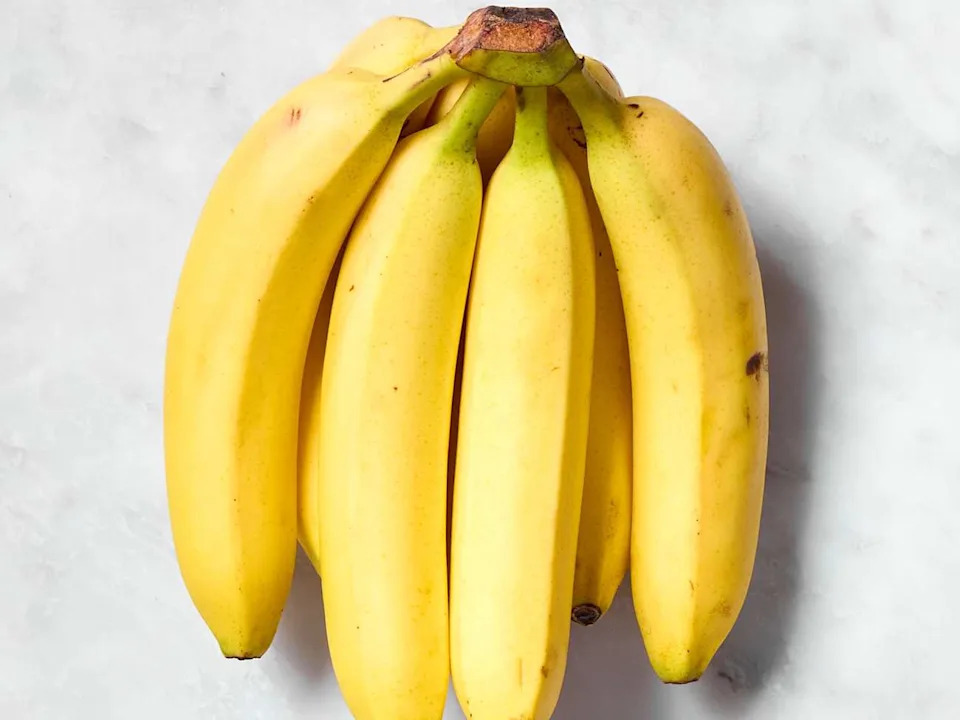
Wrapping the crown of a banana bunch in aluminum foil extends the fruit’s shelf life significantly longer than leaving it exposed to room-temperature air, according to controlled kitchen testing that evaluated seven popular preservation methods.
The technique targets the biological mechanism driving ripeness. Bananas emit ethylene gas, a naturally occurring plant hormone, primarily through their stems rather than their peel. By sealing the stem cluster tightly with foil, households can restrict the gas from circulating around the rest of the fruit. Testing showed this approach outperformed all other methods, keeping bananas bright yellow with minimal spotting and preserving optimal flavor well past the point where an unwrapped control bunch had deteriorated.
Ethylene acts as a signaling compound that triggers enzymatic changes in climacteric fruits — produce that continues to ripen after harvest. Once released, the gas accelerates starch-to-sugar conversion, softens cellular walls, and degrades chlorophyll, turning green peels yellow and eventually brown. Because the stem is the primary emission point for bananas, blocking it disrupts the feedback loop that causes a whole bunch to overripen simultaneously.


Plastic wrap applied to the same stem area also delayed browning, adding roughly two days of freshness compared to countertop storage. However, foil proved superior because its impermeable structure contains the gas more effectively than thin plastic film, which allows some ethylene to escape over time.
A third method — placing entire bananas inside a sealed, BPA-free reusable plastic produce bag — yielded unexpected results. Conventional grocery guidance often warns against sealing bananas in plastic, assuming trapped moisture will accelerate rot. During a six-day test, the sealed bag visibly inflated as ethylene accumulated inside. Yet when opened, the banana remained pristine yellow with an intensely creamy texture. The sealed environment appeared to regulate moisture loss while altering the atmospheric composition just enough to slow external decay without triggering internal fermentation.
This contradicts standard supermarket practices, where bananas are typically displayed in open-air bins with heavy ventilation to sweep away ambient ethylene. Commercial distributors use temperature-controlled shipping containers set between 56 and 58 degrees Fahrenheit to keep harvested green bananas dormant during transit. Home refrigerators operate colder, usually around 37 degrees, which damages the cellular structure of the peel and turns it black almost immediately, even though the flesh inside remains edible for several additional days.
For consumers managing weekly grocery budgets or packing daily school lunches, the difference between a four-day and seven-day shelf life reduces food waste substantially. The United States Department of Agriculture estimates that fresh fruits account for a significant portion of household food loss, with rapid spoilage cited as a primary reason consumers discard produce before eating it.
Separating individual bananas from the main bunch before wrapping their stems offers marginal additional benefit by isolating each fruit’s ethylene output, though it requires more foil and preparation time. Keeping bananas away from other high-ethylene producers in the kitchen — such as avocados, apples, and tomatoes — prevents cross-contamination that accelerates ripening across multiple items at once.
Bananas remain among the most consumed fresh fruits in the United States, with the average American eating roughly 27 pounds annually, according to USDA Economic Research Service data. Almost all commercial bananas sold domestically are the Cavendish variety, chosen by the global supply chain specifically because its thick peel withstands long-distance shipping better than sweeter, thinner-skinned cultivars grown in Southeast Asia and Latin America.
Testing confirmed that unrefrigerated, foil-wrapped bananas maintained peak texture and color longest among all evaluated home storage techniques.