Lucille Ball and Desi Arnaz’s Real Estate Empire Beyond I Love Lucy
How the I Love Lucy stars used architect Paul R. Williams to build a real estate portfolio that mirrored the rise of their television empire.
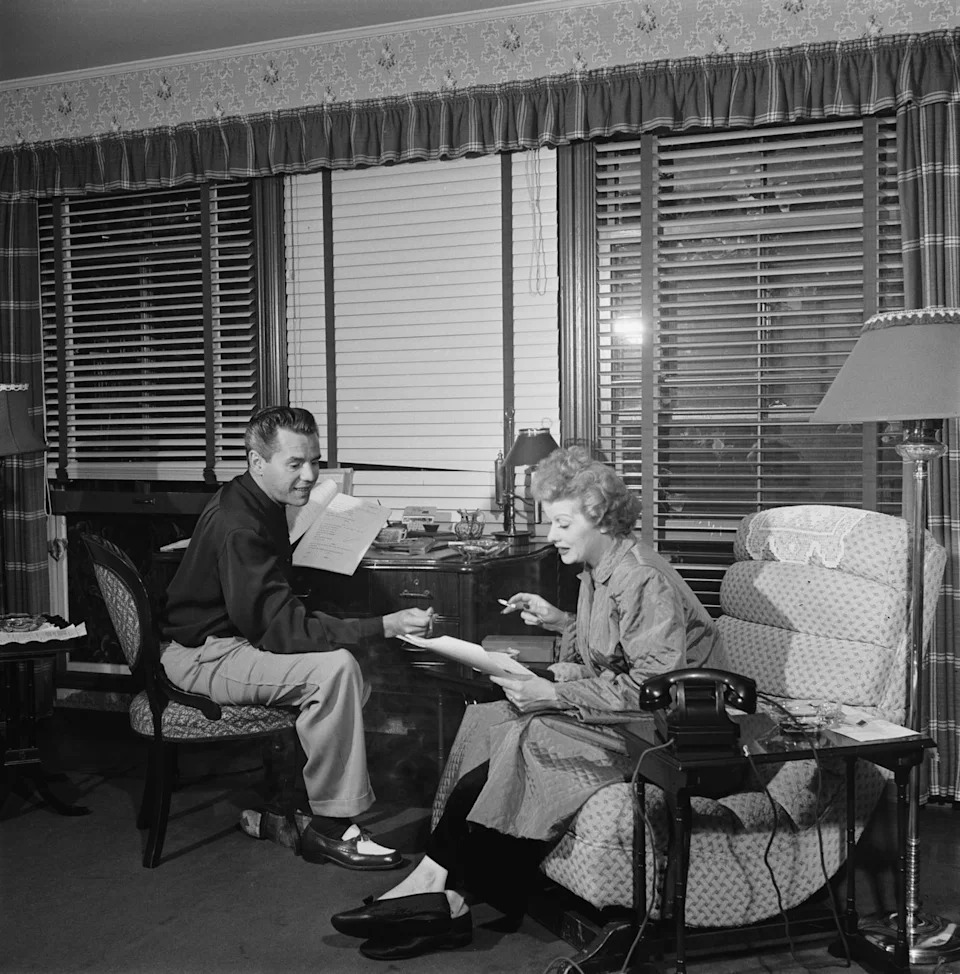
Seventy-five years after “I Love Lucy” premiered, the sitcom remains a masterclass in television production, but the real estate portfolio built by Lucille Ball and Desi Arnaz tells a parallel story of mid-century American wealth, architectural patronage, and corporate ambition. While audiences watched the fictional Ricardos navigate a cramped Manhattan apartment, the actual couple was quietly acquiring properties that would anchor one of Hollywood’s most powerful independent studios.
The foundation of that empire was laid in 1941 at a five-acre property in Chatsworth, California. Purchased shortly after the couple eloped, the ranch was originally named “Desilu” — a portmanteau that would eventually become the name of their groundbreaking production company. Designed by Paul R. Williams, the first Black member of the American Institute of Architects, the Chatsworth estate featured white clapboard siding and expansive windows overlooking an oval swimming pool. Williams, whose client roster included Frank Sinatra and Cary Grant, adapted his typically sleek Hollywood Regency style to fit the rural landscape.
Ball personalized the Chatsworth interiors with what she described in her autobiography as “Early Victorian and Bastard American,” filling the rooms with cabbage-rose wallpaper, red plush chairs, and trailing ivy. The aesthetic sharply contrasted with the sterile soundstages where the couple spent their working days. It also served as the primary residence for their children, Lucie Arnaz and Desi Arnaz Jr., during the 15 years the family occupied the property. The grounds functioned as a working farm complete with avocado trees, vegetable gardens, chickens, and a cow reportedly nicknamed “The Duchess of Devonshire.”

Beyond domestic life, the Chatsworth ranch operated as a de facto corporate headquarters. The couple hosted magazine shoots, Hollywood gatherings, and even a press conference addressing the Red Scare investigations that briefly targeted them in the early 1950s. Unlike other studio heads who kept business strictly on the lot, Ball and Arnaz blurred the lines between their private retreat and their professional enterprise, a strategy that helped Desilu Productions grow into the largest independent television production company in the world by the late 1950s.

As Desilu expanded, so did the couple’s architectural ambitions. In 1954, they commissioned Williams again, this time for a vacation home at the Thunderbird Country Club in Rancho Mirage. The Palm Springs-area property marked a radical departure from the Chatsworth farmhouse. Embracing desert modernism, the Thunderbird estate utilized open floor plans, exposed stone walls, dark wood accents, and massive window walls designed to frame the surrounding mountain views. Arnaz took such an active role in the planning process that he claimed collaborative design credit alongside Williams.

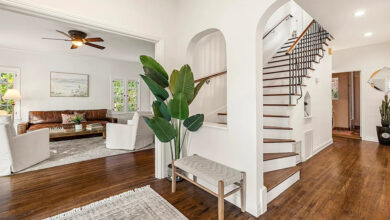
That same year, Ball and Arnaz shifted their primary residence to Beverly Hills, purchasing a seven-bedroom Colonial Revival home at 1000 North Roxbury Drive for $85,000. Built in 1936 by Carleton Burgess, the property anchored the couple firmly in the heart of the entertainment industry’s most exclusive zip code. Adjusted for inflation and the explosive appreciation of Los Angeles luxury real estate, the estate’s value today exceeds $10 million.

The North Roxbury house became deeply intertwined with the couple’s public persona. It appeared in a memorable episode of “I Love Lucy” featuring actor Richard Widmark, further erasing the boundary between the stars’ real lives and their fictional universe. According to the Beverly Hills Cultural Heritage Commission, Ball remained a visible neighborhood presence, famously handing out Halloween candy from the front door dressed as a witch.

The dissolution of their marriage in 1960 triggered a rapid restructuring of their physical assets. The Thunderbird retreat was sold immediately following the divorce. The Chatsworth ranch was sold to former child actor Jane Withers, severing the couple’s ties to the property that birthed their corporate identity. However, Ball retained ownership of the Beverly Hills estate. She continued living there through her second marriage to comedian Gary Morton, maintaining control of the property until her death in 1989.

Today, the architectural legacy of Ball and Arnaz is preserved largely through archival photography held by institutions including the Getty Research Institute and the Library of Congress. Their repeated collaboration with Paul R. Williams places them among the key mid-century patrons who helped define Southern California’s residential design vocabulary, transitioning from pastoral ranch aesthetics to sleek modernism as their influence in Hollywood grew.


The 1000 North Roxbury Drive property remains a designated site of interest under the oversight of the Beverly Hills Cultural Heritage Commission.