

How to Turn Summer Pepper Plants Into Indoor Bonsai Trees
Aggressive root pruning and hand pollination allow tropical pepper plants to survive winter as fruiting indoor bonsai specimens.
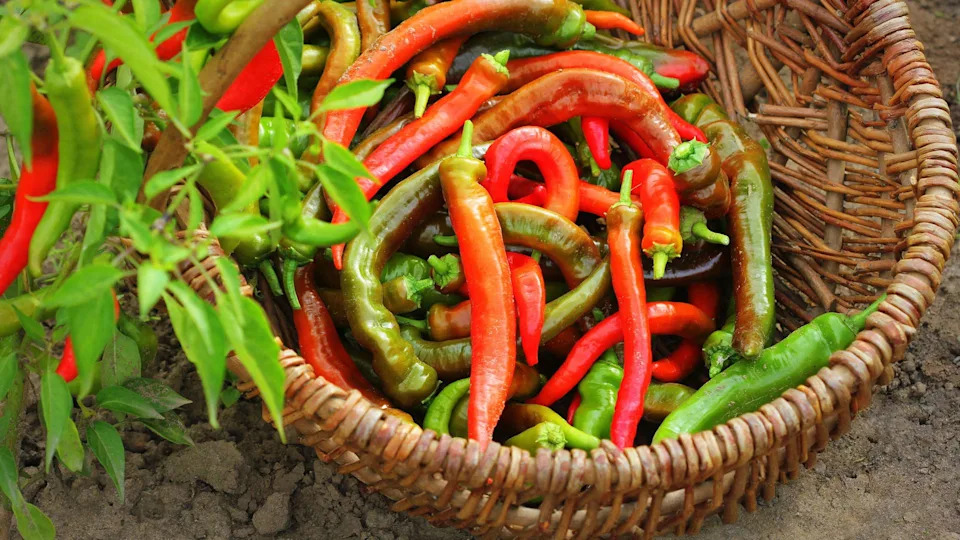
Autumn frosts routinely kill outdoor pepper plants across most of the United States, but a horticultural technique known as bonchi cultivation allows growers to preserve their summer crops as permanent indoor trees. By aggressively pruning roots and stems before temperatures drop, gardeners can convert standard chili plants into miniature bonsai specimens that fruit indoors for years.
Peppers belong to the genus Capsicum, which comprises tropical perennials native to Central and South America. In commercial agriculture and home gardens throughout temperate zones, they are grown as annuals because they cannot survive freezing weather. However, when shielded from frost and confined to shallow containers, these plants develop woody trunks and continue producing flowers indefinitely. The bonchi method — a portmanteau of bonsai and chili — exploits this perennial biology, applying traditional Japanese bonsai root-reduction techniques to edible Solanaceae crops.



Not every pepper variety responds equally well to severe container restriction. Cultivars within the Capsicum chinense species, including habanero, Scotch bonnet, and ghost peppers, naturally lignify their main stems early in development, producing thick, gnarled wood that mimics ancient trees. Capsicum frutescens varieties such as tabasco share this trait. Among Capsicum annuum types, compact cultivars like jalapeño, cayenne, ‘Black Pearl’, and ‘Numex Twilight’ offer proportionally small leaves and fruits suited to miniature displays. Large-fruited bell peppers generally fail to achieve visual balance in shallow pots and struggle under the stress of extreme root reduction.
The transition must occur before nighttime temperatures consistently fall below 50°F (10°C). Prolonged exposure to chilling winds slows cellular metabolism in tropical plants, severely compromising their ability to regenerate roots after transplanting. Deep watering 24 hours before extraction ensures the soil binds tightly to the root mass, minimizing mechanical damage during removal. Growers should excavate a circle 6 to 8 inches (15-20 cm) from the main stem to capture the primary feeder network.
Bringing outdoor plants inside introduces significant pest risks. Aphids, whiteflies, and spider mites frequently colonize pepper foliage during late summer. A thorough inspection using magnification is necessary before the plant crosses the threshold. Rinsing the canopy or treating it with insecticidal soap eliminates eggs and nymphs that would otherwise proliferate rapidly in warm, predator-free indoor environments.

Transforming a full-sized garden plant into a tabletop tree requires removing the majority of its biomass. The main trunk is cut back to 4 to 8 inches (10-20 cm) above the soil line. All large leaves are stripped, and weak lateral branches are removed, leaving only two or three structural stubs to form the future canopy. This drastic top-pruning forces dormant buds along the remaining wood to break.
Root reduction is equally aggressive. Approximately 60 to 70 percent of the root volume must be severed. Thick taproots and elongated runners are excised entirely, preserving only a dense pad of fine feeder roots near the base. This balances the underground mass with the drastically reduced canopy, preventing the plant from drowning in a small volume of soil while fitting the architecture required for traditional bonsai pots.
Standard potting soil retains excessive moisture in shallow ceramic dishes, leading to rapid anaerobic decay of freshly cut roots. A substrate composed of 60 percent potting mix and 40 percent perlite or horticultural sand provides the drainage necessary for recovery. The plant is positioned so the upper root flares sit slightly above the soil surface, exposing the nebari — the visible root base prized in bonsai aesthetics for conveying age and stability. A chopstick or similar tool is used to work the gritty medium tightly around the roots, eliminating air pockets that could desiccate delicate tissues.

Recovery demands a one-week rest period in a warm location shielded from direct sunlight. Once new green growth emerges from the trunk, the plant requires relocation to a south-facing window receiving at least six hours of direct light daily. During winter months at northern latitudes, natural daylight duration often falls short of the photoperiod required for Capsicum flowering. Supplemental LED grow lights bridge this gap, maintaining the photosynthetic output needed for fruit set.
Watering protocols shift dramatically once the plant enters a shallow container. The top inch (2.5 cm) of the substrate must dry completely between waterings. Fertilization is withheld for the first month to avoid burning recovering roots. After active vegetative growth resumes, bi-weekly applications of half-strength seaweed extract provide micronutrients and cytokinins that stimulate root development without pushing excessive nitrogen-heavy foliage.

Fruit production indoors hinges on manual intervention. Unlike outdoor gardens where wind currents and insects distribute pollen, interior spaces lack these vectors. Pepper flowers are perfect, meaning each bloom contains both stamens and pistils, making them self-fertile. To trigger fertilization, growers gently tap the main trunk or flick individual flower stems to shake pollen loose. For reliable yields, transferring pollen directly from the anthers to the stigma using a fine-tipped brush ensures complete pollination. Within days of successful transfer, petals abscise and tiny green pods emerge.
Maintaining the miniature silhouette over subsequent seasons involves regular pinching of elongating shoots. This apical dominance disruption forces lateral branching, keeping the canopy dense and proportional to the shallow pot. As the trunk continues to thicken and bark texture develops, the plant increasingly resembles a mature landscape tree rather than a vegetable crop.

Overwintered bonchi plants typically begin setting fresh flowers by mid-January when kept under consistent indoor conditions, allowing harvests of ripe chilies weeks before outdoor seed starting begins in early spring.











