

Halloween Candy Prices Jump 8%, But US Shoppers Spend $4.1B
Confectionery inflation outpaces general CPI as consumers turn to discount chains and early shopping to manage budgets.
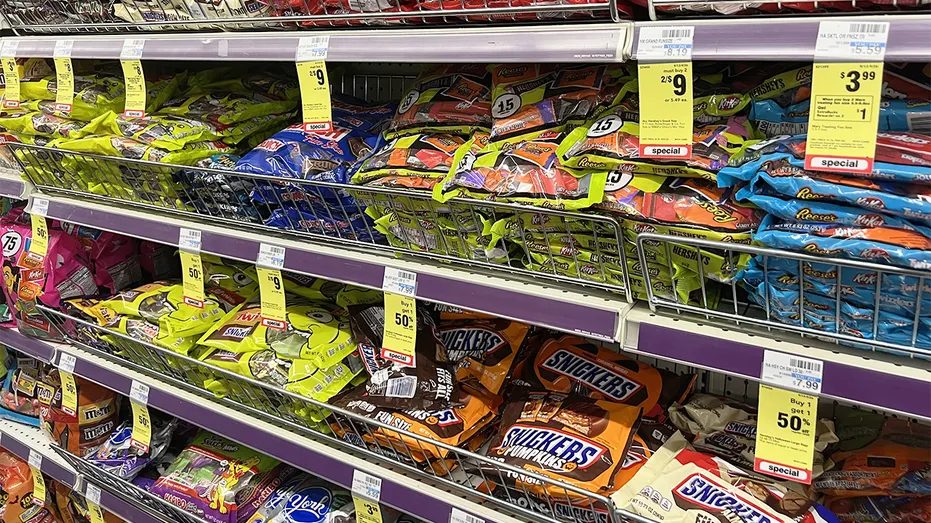
Confectionery costs are rising at more than double the pace of general inflation, yet American households are refusing to cut back on trick-or-treat staples. Retail projections show consumers will pour an estimated $4.1 billion into candy purchases this autumn, cementing sweets as the most resilient retail category of the fall season.
Data from the Bureau of Labor Statistics shows prices for candy and chewing gum climbed 8.1% in August compared to the previous year. That surge significantly outpaced the broader Consumer Price Index, which registered a 3.4% annual increase over the same period. Sweet treats have faced relentless pricing pressure across grocery aisles, driven largely by elevated agricultural input expenses, including global cocoa shortages and sustained manufacturing overhead.
Despite the sticker shock at checkout, confectionery remains an almost universal purchase. An annual retail outlook conducted by Prosper Insights & Analytics for the National Retail Federation found that 96% of participating shoppers intend to purchase candy, making it the holiday’s undisputed anchor.


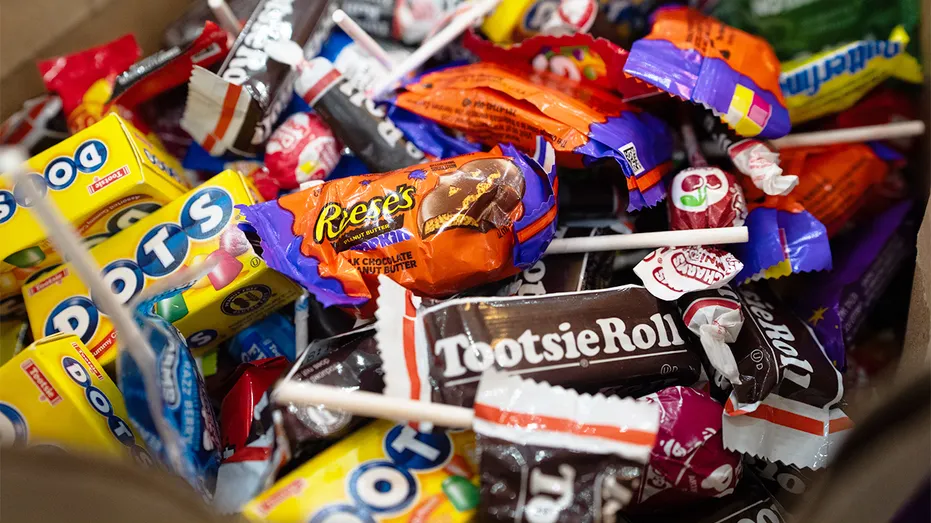
Overall seasonal spending across costumes, decorations, and treats is projected to reach $13.5 billion, climbing from $13.1 billion recorded in 2025. Individual outlays have largely stabilized at a high baseline, with per-person expenditure projected at $115.14, compared to $114.45 a year ago.
Rather than dropping items from their lists, consumers are overhauling how and when they buy. The survey indicates that budget management has shifted toward tactical shopping: more than a third of respondents plan to cross-shop retailers to compare prices if holiday goods exceed their budgets, while more than 25% are leaning heavily on digital coupons and promotional discounts.
“Consumers continue to make Halloween a spending priority, but they are also approaching the season with affordability in mind,” said Allison Zeller, vice president of industry and consumer insights at the retail federation.
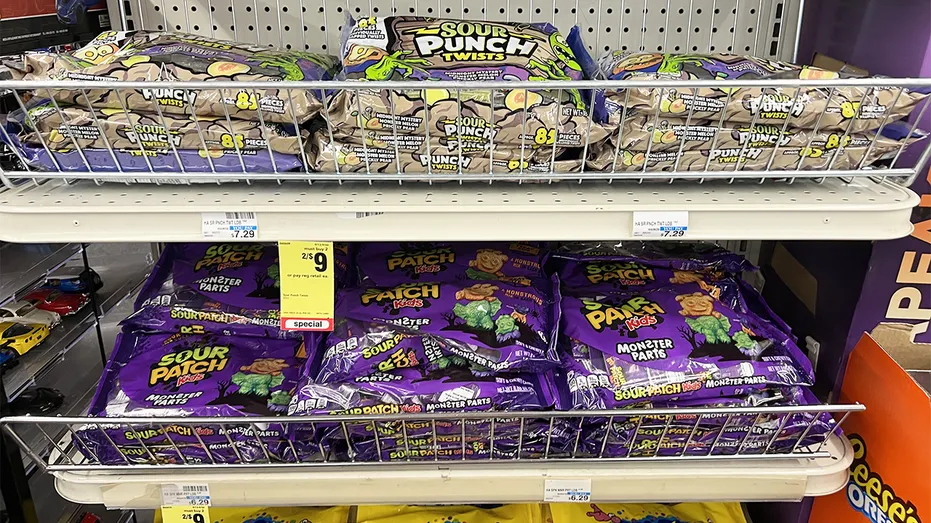
Timing has also become a critical lever for household cash flow. Nearly half of consumers surveyed indicated they planned to start their seasonal shopping during September or earlier. Among those early buyers, 23% cited a deliberate effort to spread out holiday expenses over multiple paychecks rather than absorbing the full cost during October.
Store traffic patterns reflect that defensive posture. Discount retailers have captured the largest share of foot traffic, drawing 39% of shoppers searching for bulk savings, followed by specialty seasonal stores at 32% and digital marketplaces at 27%. The nationwide survey sampled 7,889 consumers between Sept. 1 and Sept. 9 to gauge retail demand heading into the peak fourth-quarter shopping calendar.









