Holland Lop Rabbits Draw Fans as Care Realities Surface
Viral popularity highlights the health vulnerabilities and specialized care behind compact dwarf breeds.
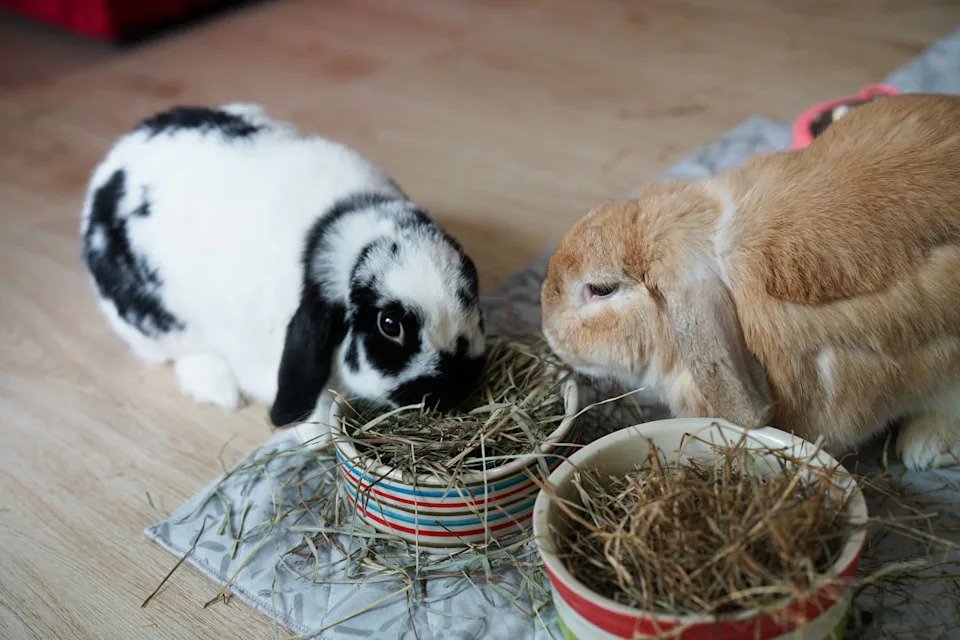
Viral attention surrounding uniquely shaded dwarf rabbits has spotlighted the Holland Lop, one of the most sought-after companion breeds in North America. A recently showcased kit bred by Holland Hop Kingdom gained rapid traction online for its distinct tricolor coat, affectionately dubbed a s’mores pattern—a blend inherited from parents Alice and Sven, whose progeny range from pale cream to deeper marbled tones.
While distinctive color variations continue to drive consumer interest, veterinary specialists and rabbit welfare organizations caution that the breed’s appeal often obscures the intensive upkeep these animals require. First recognized by the American Rabbit Breeders Association in 1979, the Holland Lop is classified as a dwarf breed, topping out at roughly four pounds. Their compact stature and characteristically pendulous ears make them visually distinct, yet those same physical traits present recurring clinical concerns.
The signature drooped ears create an anatomical environment where airflow is restricted, allowing moisture and debris to accumulate. Consequently, Holland Lops experience higher rates of otitis externa and middle-ear infections than upright-eared breeds. In chronic cases, bacterial buildup can lead to abscesses that require surgical intervention.


Furthermore, selective breeding for shorter, rounded heads has introduced varying degrees of brachycephaly. Flat facial profiles can compress the nasal passages and misalign the jaw, triggering dental malocclusion. Because rabbit teeth grow continuously throughout life, improper alignment prevents natural wear, creating sharp spurs on the molars that lacerate the tongue and cheeks unless filed down under anesthesia.
Prospective keepers frequently underestimate the baseline husbandry required to keep dwarf rabbits healthy. Unlike traditional caged pets, domestic rabbits require expansive enclosures, proofed indoor living spaces, and diets composed predominantly of high-fiber timothy hay to sustain gastrointestinal motility and prevent life-threatening gut stasis.
For the kits emerging from litters at Holland Hop Kingdom, placement into permanent homes hinges on matching them with caretakers who understand these long-term commitments beyond aesthetic novelty.