

Apple Locks Native Manual Camera Controls to iPhone 18 Pro, Leaving the Duo and Old Pro Models Out
Apple’s software gating leaves the iPhone Duo and older Pros without native manual controls
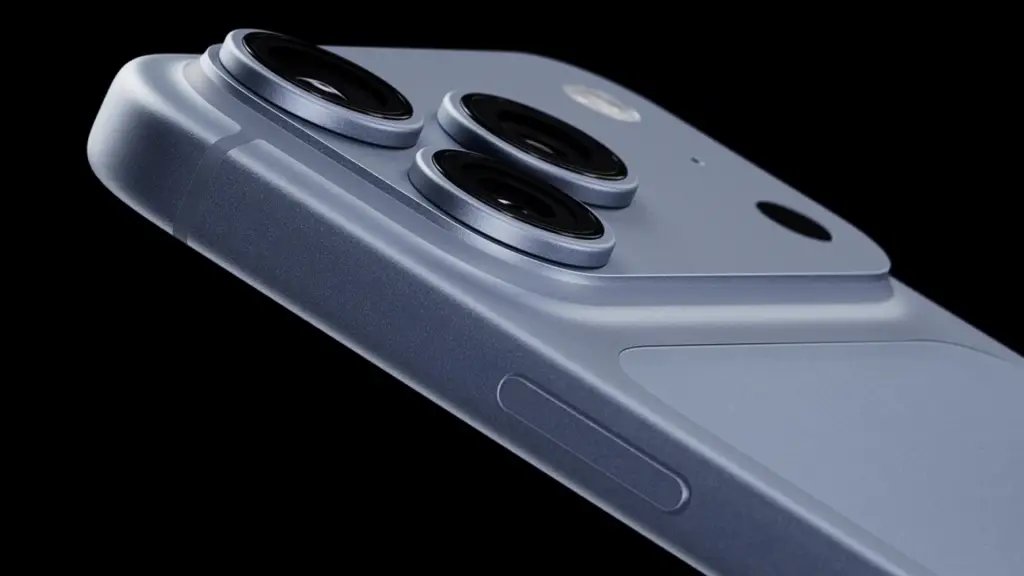
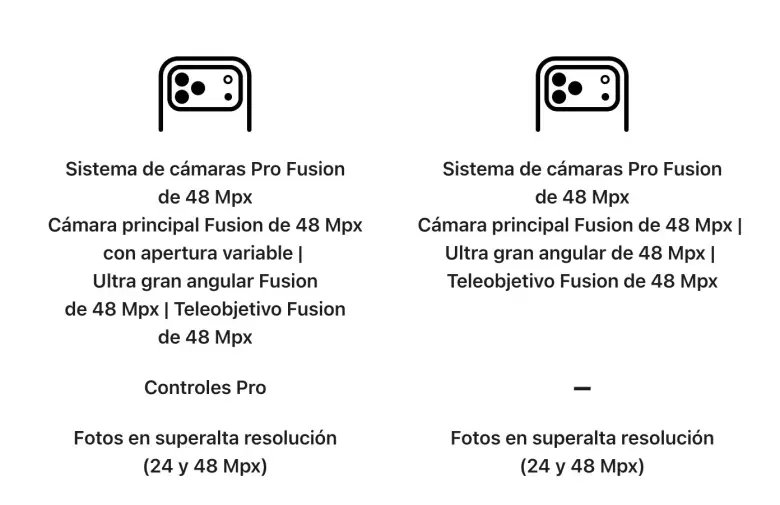
CUPERTINO, California — Apple’s unveiling of its latest smartphone lineup has brought a highly anticipated upgrade to mobile photography: native, advanced manual camera controls. According to Apple’s official product documentation and comparison charts, the new native manual controls are restricted exclusively to the newly announced iPhone 18 Pro and iPhone 18 Pro Max.
This restriction excludes not only previous-generation hardware like the iPhone 17 Pro, but also the newly introduced, ultra-premium iPhone Duo. Despite its position at the top of Apple’s pricing structure, the iPhone Duo will not receive the native manual camera interface, reinforcing the company’s decision to treat these photographic tools as a hardware-exclusive selling point for the “Pro” brand. For years, advanced iPhone users seeking manual adjustments had to download third-party utilities such as Halide, ProCamera, or Obscura.
The new feature, designed to give photographers and videographers precise control over exposure, shutter speed, ISO, and white balance directly within the default iOS Camera application, aims to eliminate the long-standing reliance on premium third-party software. Because these applications rely on existing APIs to manipulate the device’s camera hardware, older models like the iPhone 17 Pro are technically fully capable of handling manual exposure, focus, and sensitivity adjustments. The decision to withhold the native equivalent from these capable older models points to an artificial software limitation rather than a hardware bottleneck.


This is not the first time Apple has faced scrutiny for limiting new iOS features to its latest flagship models, only to alter course later. During the launch of the iPhone 11 series, Apple introduced the “QuickTake” video recording shortcut and a redesigned, more immersive camera interface. While initially marketed as exclusive to the newer generation, Apple subsequently backported the updated camera interface, quick toggles for video resolution, and frame-rate settings to the iPhone XS, XS Max, and XR via the iOS 14 update.
Historically, the company has utilized point-release software updates to quietly expand features to older devices after their initial debut. A similar pattern emerged with the roll-out of Apple’s suite of proprietary artificial intelligence tools. “Visual Intelligence,” a feature closely tied to the physical Camera Control button on the iPhone 16 lineup, was initially positioned as exclusive to that generation. However, Apple later expanded the feature’s compatibility to the iPhone 15 Pro and iPhone 15 Pro Max with the release of iOS 18.4.
Beyond the iPhone, Apple has previously adjusted its software compatibility parameters in response to developer and consumer feedback. In 2022, the company initially restricted “Stage Manager,” a multitasking interface introduced in iPadOS 16, to M1-powered iPads, citing the need for fast virtual memory swap. Following widespread criticism regarding compatibility, Apple revised its technical requirements and extended a modified version of the feature to older iPad Pro models running A12X and A12Z Bionic chips.
While the current product specification sheets firmly isolate the new native manual camera controls to the iPhone 18 Pro series, the historical precedents of iOS 14 and iOS 18.4 suggest that Apple may eventually bring these software capabilities to older Pro-tier devices in a subsequent iOS 19 update cycle. The feature’s deployment strategy highlights Apple’s ongoing use of software gating to differentiate its hardware tiers. For now, however, users on older hardware or those opting for the new iPhone Duo will continue to rely on the third-party developer ecosystem to unlock the full physical capabilities of their camera sensors.






One Comment