

Trump Rallies in Nebraska as Beef Policy Fractures GOP Senate Race
White House plans to increase foreign beef imports have drawn public criticism from Sen. Pete Ricketts and energized independent challenger Dan Osborn.
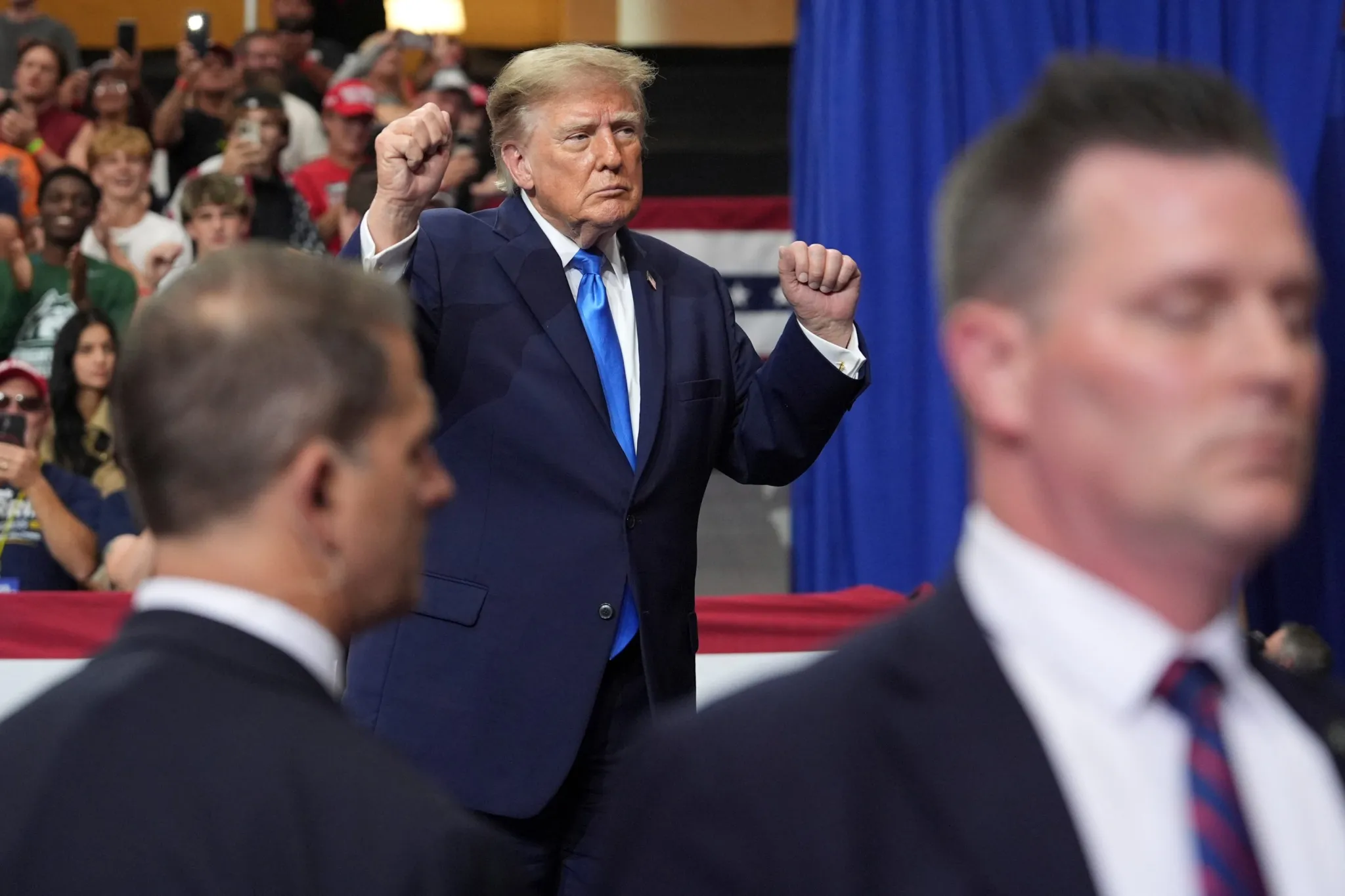
A proposed expansion of foreign beef imports has fractured the Republican coalition in Nebraska, turning a routine Senate reelection campaign into a national flashpoint just weeks before Election Day.
President Donald Trump is scheduled to hold a rally in Grand Island on Monday as part of a 32-day sprint through conservative strongholds ahead of Nov. 3. The itinerary includes stops in Oklahoma, Alabama and a second visit to Texas within two weeks, with a Wednesday event planned for San Antonio. But the Nebraska appearance carries distinct political baggage that does not exist in those other states.
The administration’s push to allow more imported beef into the U.S. market—intended to ease persistently high grocery costs that have frustrated rural voters nationwide—has provoked open rebellion from Nebraska ranchers. Cattle production is the backbone of the state’s agricultural economy, and producers argue cheaper foreign cuts will undercut domestic operations already squeezed by elevated fuel prices and thinning herd sizes.


Sen. Pete Ricketts, who is seeking his first full six-year term, publicly broke with the White House over the strategy. Speaking to reporters on Capitol Hill last week, Ricketts urged the administration to abandon the import plan and instead pursue policies focused on expanding the domestic cattle herd to lower consumer prices organically over time. His criticism highlights the difficulty Republicans face in balancing an anti-inflation message with the economic realities of their most loyal agricultural constituencies.
Ricketts acknowledged the president’s visit is designed to boost his own campaign. A former two-term governor who served from 2015 to 2023, Ricketts was appointed to the Senate seat vacated by Ben Sasse when Sasse left in 2023 to become president of the University of Florida. He subsequently won a special election to serve the remainder of the term. His family’s wealth, derived from founding TD Ameritrade and owning Major League Baseball’s Chicago Cubs, contrasts sharply with the background of his opponent.
Independent challenger Dan Osborn, a former labor union leader, has made the beef dispute and rural economic anxiety central themes of a campaign that has defied expectations. Osborn is conducting a tour of all 93 Nebraska counties, holding town halls and repeatedly attacking Ricketts for refusing to do the same. While national Democrats are quietly supporting his candidacy, Osborn has declined to state which party he would caucus with if elected—a strategic ambiguity designed to appeal to voters deeply skeptical of the Democratic brand in a state Trump carried easily in previous cycles.
Nebraska Democrats effectively cleared the path for Osborn earlier this year. Cindy Burbank won the party’s primary but campaigned explicitly on a pledge not to siphon votes away from the independent, formally withdrawing from the general election ballot to consolidate opposition to Ricketts.
This dynamic reflects a broader tactical shift across deep-red states where traditional Democratic nominees struggle to gain traction. Independents are mounting serious challenges against incumbent Republican senators in multiple races this cycle. In South Dakota, Navy and Air Force veteran Brian Bengs is running as an independent against Sen. Mike Rounds after losing a previous Senate bid as a Democrat four years ago to current Senate Majority Leader John Thune. In Idaho, independent Todd Achilles is challenging GOP Sen. Jim Risch. Unlike established independent senators such as Maine’s Angus King or Vermont’s Bernie Sanders, who formally caucus with Democrats for committee assignments and organizational purposes, these new candidates are avoiding formal affiliations entirely.
While Nebraska’s 3rd Congressional District covering the Grand Island area remains safely under Republican Rep. Adrian Smith, the state’s electoral map contains vulnerabilities elsewhere. Omaha, situated in the eastern portion of the state, functions as a competitive enclave—often referred to locally as the “blue dot”—where Democrats routinely capture a single Electoral College vote and are currently contesting a tight House race.
Osborn previously tested his statewide appeal in 2024, running against Republican Sen. Deb Fischer and losing by 7 percentage points. That margin, unusually narrow for a Nebraska federal race, signaled to both parties that the state’s electorate could be mobilized around economic populism.
The Grand Island rally begins at 7 p.m. local time at the Heartland Events Center.









