

How the Kings’ Rocky Start in Long Beach Sparked the NHL’s Sun Belt Revolution
Alan Rothenberg recalls selling hockey to a skeptical Los Angeles in 1967
The National Hockey League’s center of gravity has shifted decisively toward the Sun Belt. Six of the last seven Stanley Cup champions and 10 of the past 14 finalists hail from warm-weather markets — Las Vegas, Tampa Bay, Dallas, Raleigh, and Los Angeles — while Canadian franchises endure a 33-year title drought. More than a third of the league’s 32 teams now play in cities where snow appears only on holiday cards.
That geographic revolution traces its roots to a sparsely attended evening at the Long Beach Convention Center on October 14, 1967, when the expansion Los Angeles Kings hosted the Philadelphia Flyers before 7,023 spectators and 4,000 empty seats.
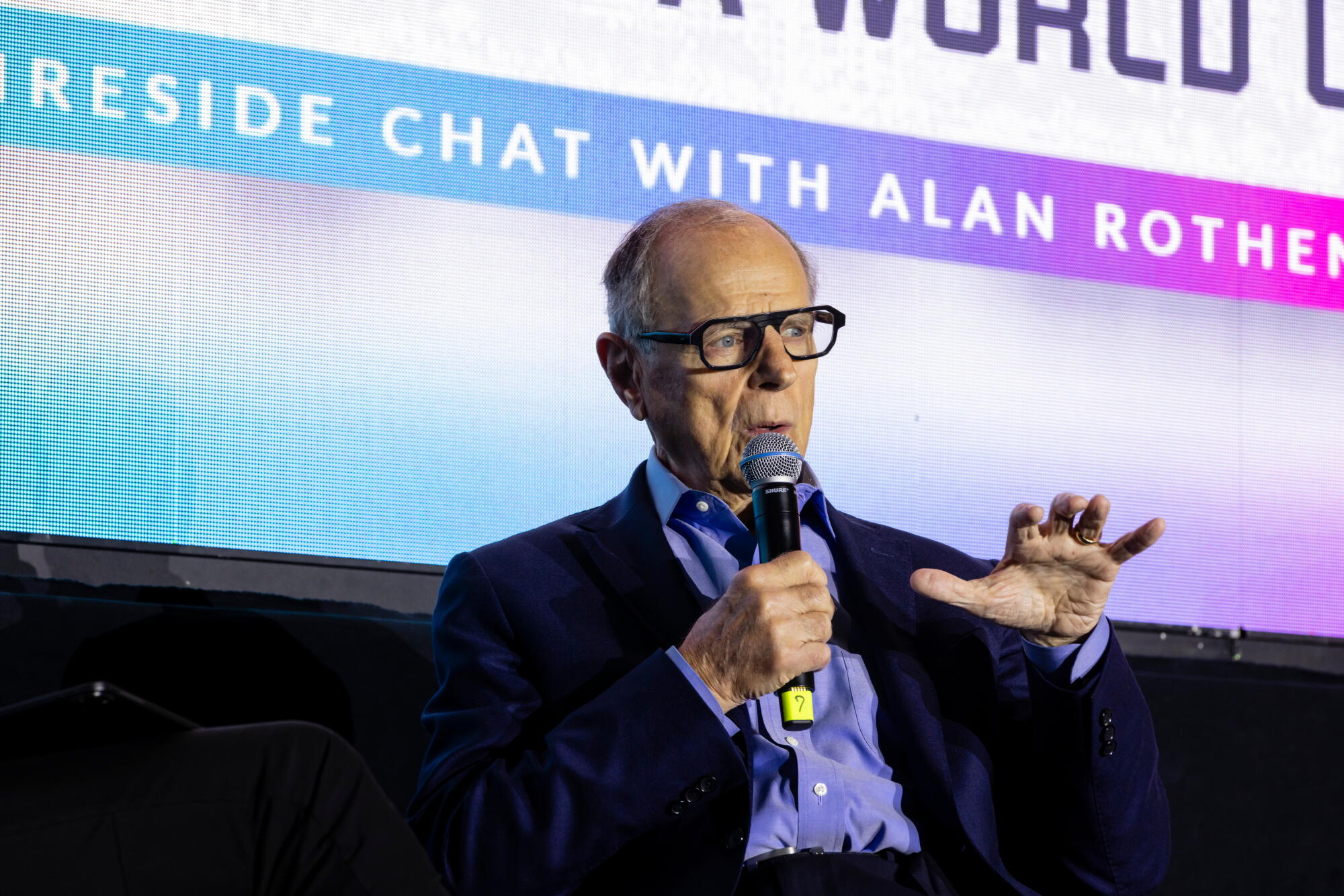
Alan Rothenberg, then 30 and serving as vice president and general counsel for owner Jack Kent Cooke, remembers the skepticism. Cooke, a Canadian newspaper magnate, had been assured that a quarter-million expatriate Canadians in Southern California would embrace the sport. “Now I know why they left Canada,” Cooke quipped afterward. “They hate hockey.”

Rothenberg, a Detroit native raised on the Gordie Howe-era Red Wings, disagreed. “I knew the popularity of the sport,” he said recently at 87. “People were skeptical because it was considered not to be a hot-weather sport. But no, it’s just a great sport. It took a little bit to get it going.”
The Kings’ early years were nomadic. Home games scattered across the Long Beach Arena, the Los Angeles Sports Arena, and the newly built Forum in Inglewood. The franchise averaged just over 8,000 fans per game that inaugural season, made the playoffs, and lost in the first round to the Minnesota North Stars — a team that would itself chase the sun to Dallas in 1993.
Cooke sold the Kings to Jerry Buss in 1979 after 12 seasons and eight playoff appearances. The pivotal moment arrived in 1988, when Bruce McNall acquired the team and, six months later, engineered the trade that brought Wayne Gretzky from Edmonton. The transaction instantly transformed the Kings into a cultural phenomenon and accelerated hockey’s migration southward.
The Gretzky era begat the 1993 Stanley Cup Final run, which begat the Anschutz Entertainment Group’s acquisition in 1995, which begat two championships in 2012 and 2014 and a streak of 297 consecutive sellouts at Staples Center. Sportico now values the franchise at $3.33 billion — fourth-highest in the NHL, the only non-Original Six team in the top six, and the only warm-market club in the top 11.
Rothenberg’s fingerprints extend far beyond that first night in Long Beach. He later negotiated the Lakers’ acquisition of Kareem Abdul-Jabbar and the draft-day maneuver that delivered Magic Johnson, launching the Showtime dynasty. He helped organize the 1984 Los Angeles Olympics, the 1994 men’s World Cup, and the 1999 Women’s World Cup. As president of U.S. Soccer, he oversaw the launch of Major League Soccer, now the world’s largest first-division league with 30 clubs.
Yet asked which achievement resonates most personally, Rothenberg returns to the Kings. “In terms of fandom, that was it,” he said. “It was great.”
The Kings opened their 60th anniversary season with road losses in Colorado and San Jose. Tuesday’s home opener against the Florida Panthers marks six decades since that half-empty convention center — and the unlikely moment professional hockey planted its flag in the sun.









