
Renault resurrects the 4 as an electric crossover to take on Jeep and Peugeot
Renault revives the classic 4 as a retro electric crossover with 245-mile range
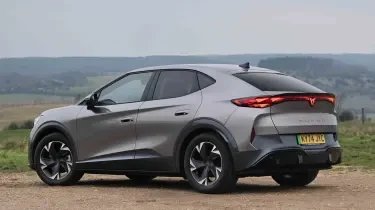
Renault Group is reviving one of its most iconic historical nameplates, transitioning the classic Renault 4 from a 20th-century utilitarian workhorse into a modern, retro-inspired electric crossover. The new all-electric iteration, officially designated as the Renault 4 E-Tech, seeks to replicate the versatility of the original for the zero-emission era. The move is a central pillar of the French automaker’s “Renaulution” strategic plan, championed by Chief Executive Officer Luca de Meo. By blending nostalgia with modern electrification, Renault aims to capture a larger share of Europe’s highly competitive B-segment electric SUV market, competing directly with rivals such as Stellantis’s Jeep Avenger, Fiat 600e, and Peugeot e-2008.
Built on the AmpR Small architecture—a dedicated electric platform developed by Renault’s EV spinoff, Ampere—the new crossover shares its underpinnings with the recently launched Renault 5 electric hatchback. Energy is supplied by a 52-kilowatt-hour (kWh) battery pack, delivering a driving range of up to 245 miles on a single charge. When connected to a rapid DC fast charger, the battery can replenish from 10% to 80% capacity in approximately 30 minutes, enabling practical highway travel beyond urban boundaries. The electric crossover features a 420-liter trunk capacity, significantly larger than its hatchback sibling.
The original Renault 4, produced between 1961 and 1992, was a global success story, selling more than 8.1 million units across more than 100 countries. Positioned as a rugged, affordable, and versatile vehicle, it became a cultural touchstone in France and beyond. To facilitate easy loading of cargo, engineers designed a low, wide rear trunk opening, a direct styling nod to the practical tailgate of the 1960s original. The exterior design also includes distinctive roof rails to bolster its utility-focused aesthetic.
Under the hood, the vehicle is powered by a front-mounted electric motor producing 148 horsepower. However, the Renault 4 is designed with a larger footprint, offering a more spacious interior and a more rugged posture to appeal to small-family buyers. To optimize production efficiency and navigate changing European trade dynamics, Renault is manufacturing the vehicle within its “ElectriCity” industrial hub in northern France. Assembly takes place at the Maubeuge plant, with electric motors produced in Cléon and battery pack assembly handled in Douai.
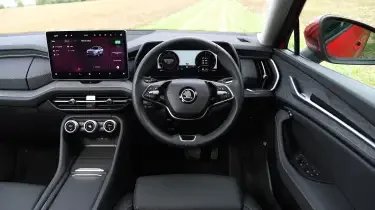
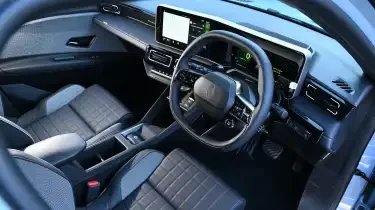
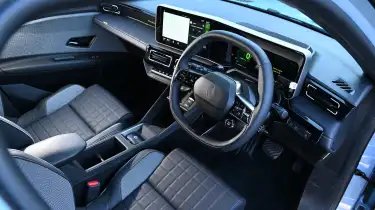
The interior features a dual-screen digital cockpit consisting of two 10-inch displays. The infotainment system is powered by Google’s OpenR Link software, integrating native applications such as Google Maps directly into the interface. It also supports wireless Apple CarPlay and Android Auto connectivity. Mid-range trim levels, such as the Techno+, include 18-inch diamond-cut alloy wheels, wireless smartphone charging, ambient cabin lighting, and privacy glass. This localized supply chain is designed to mitigate the logistics risks and potential tariffs associated with importing battery-electric vehicles from outside Europe.