Walgreens Eye Drops Recalled: 750,000 Units Pulled Over Sterility Risks
Sterility failures at Illinois contract manufacturer affect six distributors and highlight private-label supply chain vulnerabilities
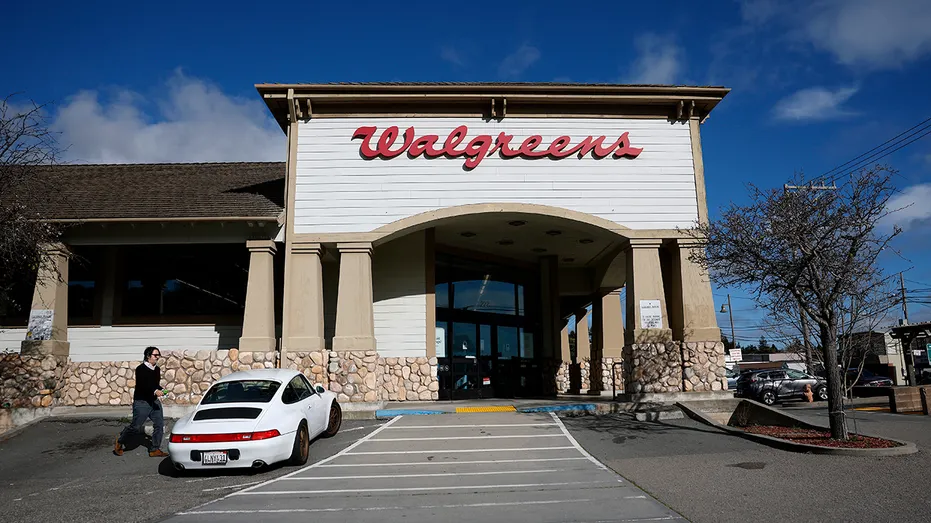
Nearly 750,000 bottles of over-the-counter eye care products have been pulled from U.S. shelves after federal regulators identified sterility failures at an Illinois manufacturing plant. The recall centers on Walgreens-branded lubricant eye drops but extends to five other distributors, raising fresh concerns about quality control in the private-label ophthalmic supply chain.
Sterling Pharmaceutical Services LLC initiated the voluntary recall on Aug. 20, citing a “lack of assurance of sterility” during production at its Dupo, Illinois, facility. The U.S. Food and Drug Administration classified the action as Class II on Sept. 21, indicating that while exposure could cause temporary or medically reversible adverse health consequences, the probability of serious injury remains remote. No illnesses or injuries have been publicly linked to the affected lots as of early October.
Walgreens accounts for the majority of the compromised inventory. Approximately 301,114 units of Walgreens Lubricant Eye Drops and 199,600 twin packs are subject to removal, totaling more than 500,000 units. The pharmacy chain has not issued a public statement regarding consumer refunds or replacement protocols.


The contamination risk is not isolated to a single retailer. AvKare has recalled more than 120,000 packages of Carboxymethylcellulose Sodium Ophthalmic Solution 0.5%, including individual bottles and twin packs. Reliable-1 Laboratories, Cameron Pharmaceuticals, TRP The Relief Products, and Major Pharmaceuticals also have affected SKUs. Specific products include Sodium Chloride Hypertonicity Ophthalmic Solution 5%, Lubricating Tears, Gentle Eyes Lubricant Eye Drops, and LubriFresh P.M. Nighttime Ointment.
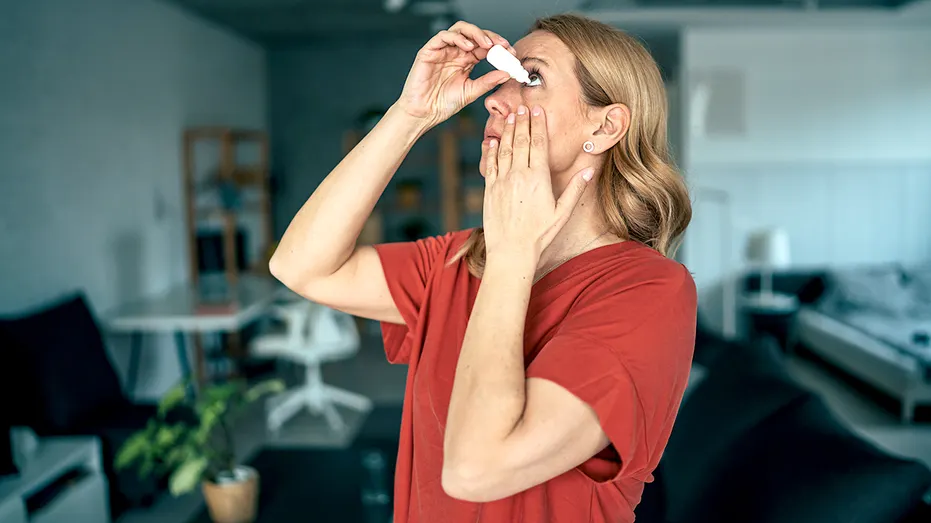
Ophthalmic solutions carry distinct safety risks compared to oral medications because they bypass the body’s natural external barriers. The cornea lacks the robust immune defenses present in skin or mucous membranes, making sterile manufacturing non-negotiable. Non-sterile eye drops can introduce bacteria such as Pseudomonas aeruginosa directly into ocular tissue, potentially leading to keratitis or endophthalmitis if left untreated. This biological vulnerability drives the FDA’s strict Current Good Manufacturing Practice (CGMP) requirements for aqueous ophthalmic preparations.
Private-label manufacturers like Sterling Pharmaceutical Services play a critical role in the U.S. healthcare system by producing lower-cost alternatives to name-brand drugs. However, this business model relies heavily on contract manufacturing, where multiple brands source identical formulations from shared facilities. When a sterility breach occurs at a single contract manufacturer, it creates a cascading recall across numerous retail and wholesale channels simultaneously. Industry data indicates that contract manufacturers produce an estimated 40% of all generic ophthalmic products sold in the United States, concentrating supply chain risk.
Consumers possessing any of the recalled products should discontinue use immediately and return them to the point of purchase for a full refund. Patients who have used the affected drops and experience eye pain, redness, blurred vision, light sensitivity, or discharge should seek prompt medical evaluation. Healthcare providers typically treat suspected contamination-related infections with topical fluoroquinolones or fortified antibiotics pending culture results.
This enforcement action follows heightened FDA scrutiny of ophthalmic drug manufacturing after several high-profile contamination events in recent years involving imported eye drops. Those incidents resulted in permanent vision loss and fatalities, prompting the agency to increase unannounced inspections at both domestic and foreign sterile manufacturing sites. The Dupo facility’s sterility lapse suggests ongoing challenges in maintaining aseptic processing standards even within regulated domestic operations.
The FDA enforcement report listing the Class II classification was published Sept. 21, and the agency continues to monitor Sterling Pharmaceutical Services’ corrective actions at the Dupo site.