

SpaceX Crew-13 Reaches Orbit as Commander Jessica Watkins Makes History
First Black woman to command an ISS mission leads four-person crew on six-month expedition following fuel leak delay
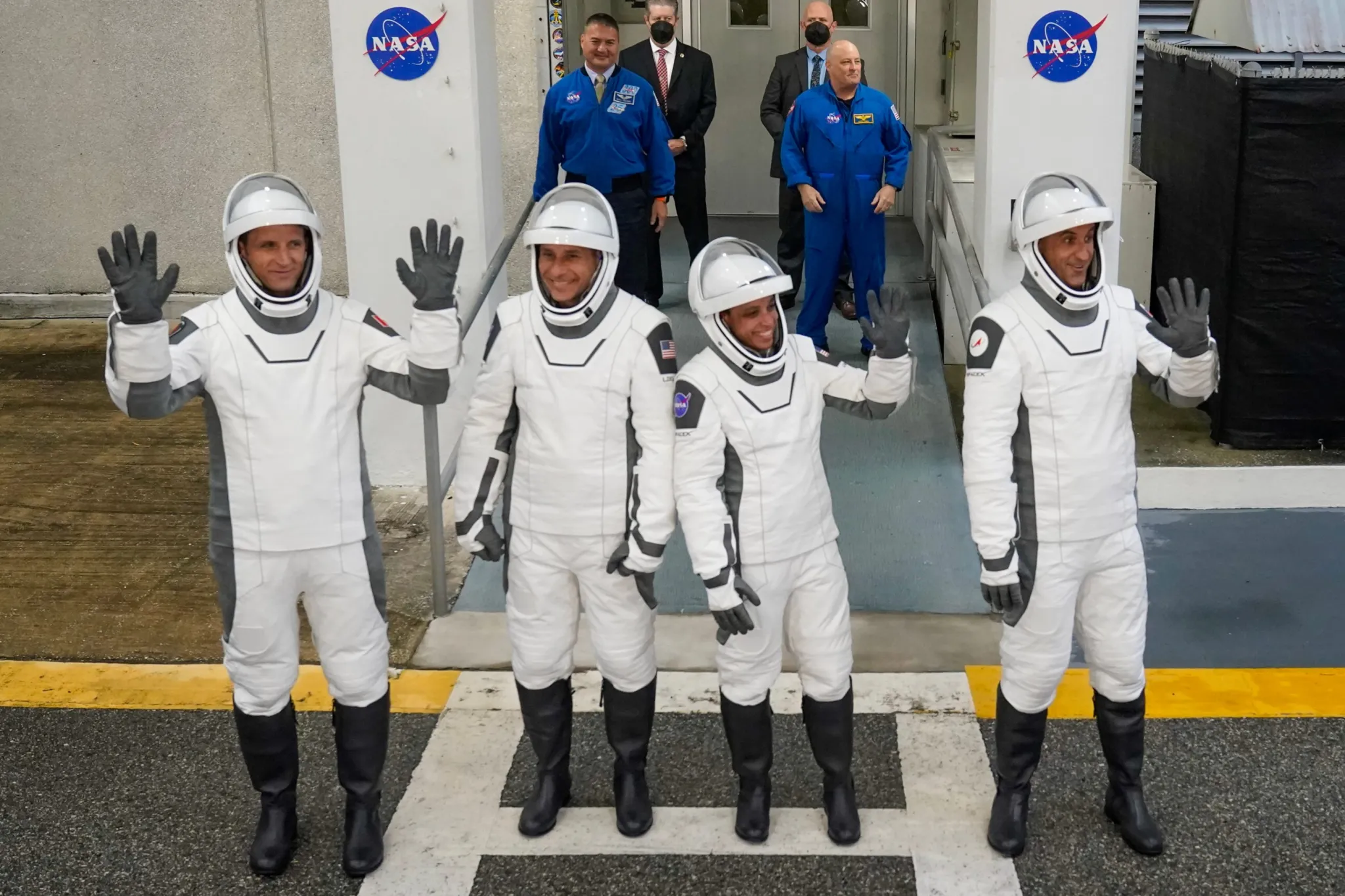
Commander Jessica Watkins led a four-person crew into orbit Thursday aboard a SpaceX Dragon capsule, becoming the first Black woman to command a mission to the International Space Station. The launch from Cape Canaveral Space Force Station followed a three-week delay caused by a fuel system leak on the spacecraft, but clear skies ultimately allowed for an on-time liftoff and a planned eight-hour transit to the orbiting laboratory.
Watkins, a geologist who previously served as a mission specialist during a long-duration stay on the station in 2022, radioed confirmation of a successful orbital insertion shortly after reaching space. She is joined by three first-time flyers: NASA pilot Luke Delaney, a retired Marine; Canadian Space Agency astronaut Joshua Kutryk, a Royal Canadian Air Force colonel; and Roscosmos cosmonaut Sergey Teteryatnikov, a former submariner. The crew will replace four astronauts who have been aboard the station since February for a mission expected to last approximately six months.
This flight marks the 13th operational crew rotation SpaceX has conducted for NASA under the Commercial Crew Program, excluding the 2020 test flight. Rather than avoiding the number historically associated with aerospace misfortune, the crew adopted it as a mission identifier. Their patch pays homage to Apollo 13, the 1970 lunar mission that ended in a safe return despite a catastrophic oxygen tank failure. The astronauts also traveled to the pad in vehicles displaying “Lucky 13” license plates and carried a crocheted golden dragon mascot named Lucky.


Kutryk’s six-month deployment coincides with a significant personal milestone: his wife, Heather, is due to give birth to their third child in late November. He will become the fourth person to become a parent while in orbit. NASA has established protocols to support astronauts during such events, building on precedents set in 2004 when Mike Fincke participated via radio link during his daughter’s birth, and in 2009 when Randy Bresnik dialed into his wife’s hospital room from space. Communications technology has advanced significantly since 1991, when Austrian astronaut Franz Viehbock was not informed of his daughter’s birth until a day after launching to the Mir space station.
The rapid turnaround between launches underscores SpaceX’s current operational tempo. Just three hours after Crew-13 cleared the tower, a separate Falcon rocket lifted off from California carrying more than 100 small satellites. A third Falcon was scheduled to launch later Thursday from Florida with a classified payload for the National Reconnaissance Office. These missions occurred in the same week that the company’s Starship vehicle achieved orbit for the first time, signaling expanded capacity across both crewed and uncrewed launch manifest.
Crew-13 is now en route to the ISS for docking, where the new residents will begin a handover period with the departing Expedition crew before assuming full operations through spring.









