

Siri AI blocked in Europe as Apple launches iOS 27 without its crown jewel
Apple's iOS 27 launch excludes Siri AI in the EU over Digital Markets Act compliance
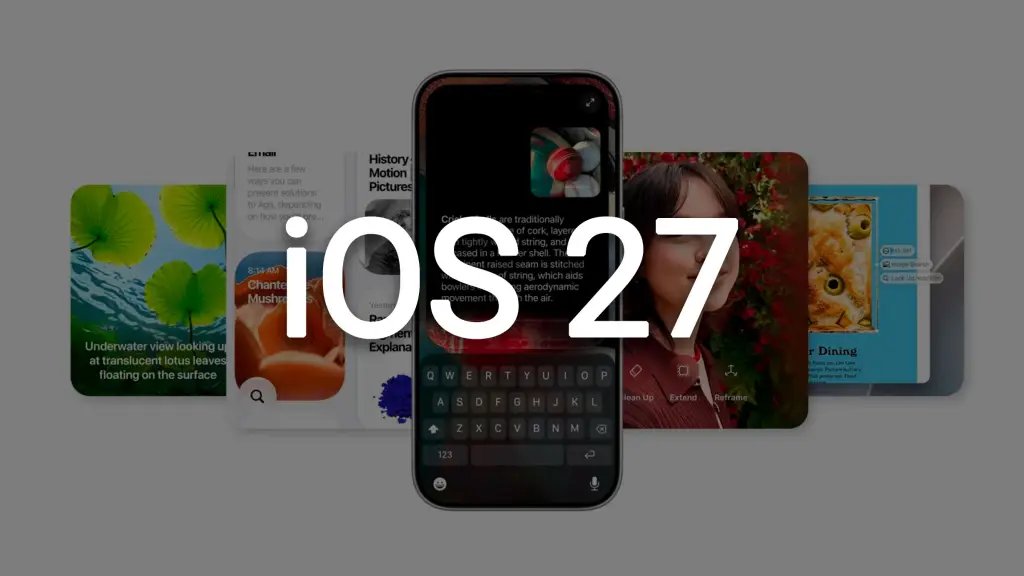
The upcoming software rollout from Apple is set to expose a stark geographic and regulatory divide. When iOS 27 debuts globally on Monday, September 14, millions of iPhone users in the European Union will find Siri AI locked out of their devices. The highly anticipated virtual assistant upgrade represents Apple’s most significant push into generative intelligence, following a successful beta testing phase that drew praise after its initial preview at the Worldwide Developers Conference (WWDC). This regional exclusion was confirmed alongside the launch of the new iPhone Duo, iPhone 18 Pro, and iPhone 18 Pro Max. The company has acknowledged the regulatory gridlock that keeps Siri AI off European devices. “Apple is working hard to find a path that preserves the privacy and security of its users,” the company said in a statement. Under the hood of this dispute is the European Union’s Digital Markets Act (DMA), a sweeping antitrust regulation designed to curb the market dominance of designated tech “gatekeepers.”
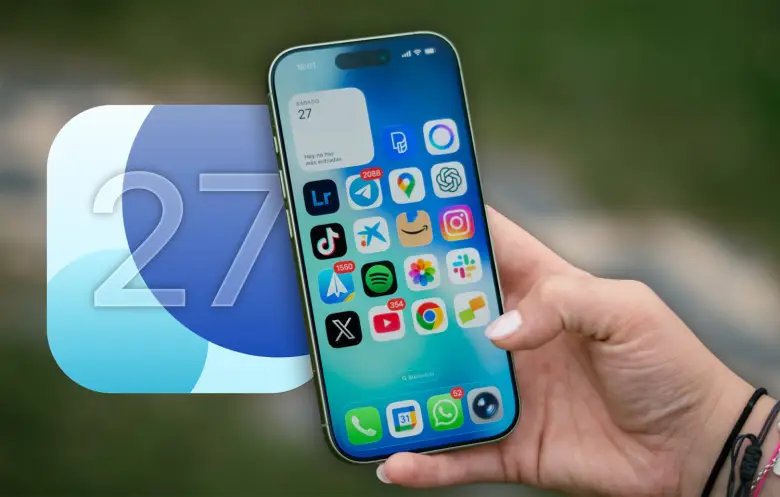
Apple has repeatedly warned that compliance with the DMA’s strict data-sharing and system-access requirements could force it to compromise user privacy and device security. The DMA mandates that platform owners open up their proprietary systems to third-party developers and ensure interoperability. The restriction does not only apply to iPhones; the blockade extends across Apple’s entire product ecosystem. When the company releases its broader suite of software updates on September 14—including iPadOS 27, watchOS 27, macOS 27, and visionOS 27—users in Spain and other EU member states will find all features dependent on the new Siri AI platform disabled. For users not utilizing the AI features, iOS 27 still offers a wide range of standard system updates and security patches. Apple has maintained a long backward-compatibility window, allowing devices dating back to 2019 to install the new operating system.


This regulatory friction has also created unexpected technical anomalies for Apple’s latest hardware. The company revealed that “Apple Reference Image”—a cryptographic verification tool designed to authenticate that an image was genuinely captured on an iPhone—will not be supported on the flagship iPhone 18 Pro within the European Union at launch. Curiously, the feature is scheduled to work in Europe on other older, compatible iPhone models running iOS 27. Apple has not yet provided a technical or regulatory explanation for this discrepancy. Beyond the geopolitical and regulatory hurdles, Siri AI also faces strict hardware limitations. Because the advanced machine learning models run directly on-device to protect user data, the AI suite demands significant processing power and memory. As a result, even in regions where the software is permitted, Siri AI will only be accessible on the iPhone 15 Pro and newer models.
According to Apple, iOS 27 will be pre-installed on the newly announced iPhone Duo and the iPhone 18 Pro and Pro Max. It will also be available as a free over-the-air download for the following compatible models: iPhone 17 Series: iPhone 17, iPhone 17 Pro, iPhone 17 Pro Max, and iPhone 17e; iPhone Air; iPhone 16 Series: iPhone 16, iPhone 16 Plus, iPhone 16 Pro, iPhone 16 Pro Max, and iPhone 16e; iPhone 15 Series: iPhone 15, iPhone 15 Plus, iPhone 15 Pro, and iPhone 15 Pro Max; iPhone 14 Series: iPhone 14, iPhone 14 Plus, iPhone 14 Pro, and iPhone 14 Pro Max; iPhone 13 Series: iPhone 13, iPhone 13 mini, iPhone 13 Pro, and iPhone 13 Pro Max; iPhone 12 Series: iPhone 12, iPhone 12 mini, iPhone 12 Pro, and iPhone 12 Pro Max; iPhone 11 Series: iPhone 11, iPhone 11 Pro, and iPhone 11 Pro Max; iPhone SE: Second and third-generation models.








5 Comments