

Apple’s New CEO John Ternus Unveils the iPhone Duo, a $1,999 Foldable Challenger
iPhone Duo Debuts with A20 Pro Chip and iOS 27 at Apple's 'Surprise and Shine' Event
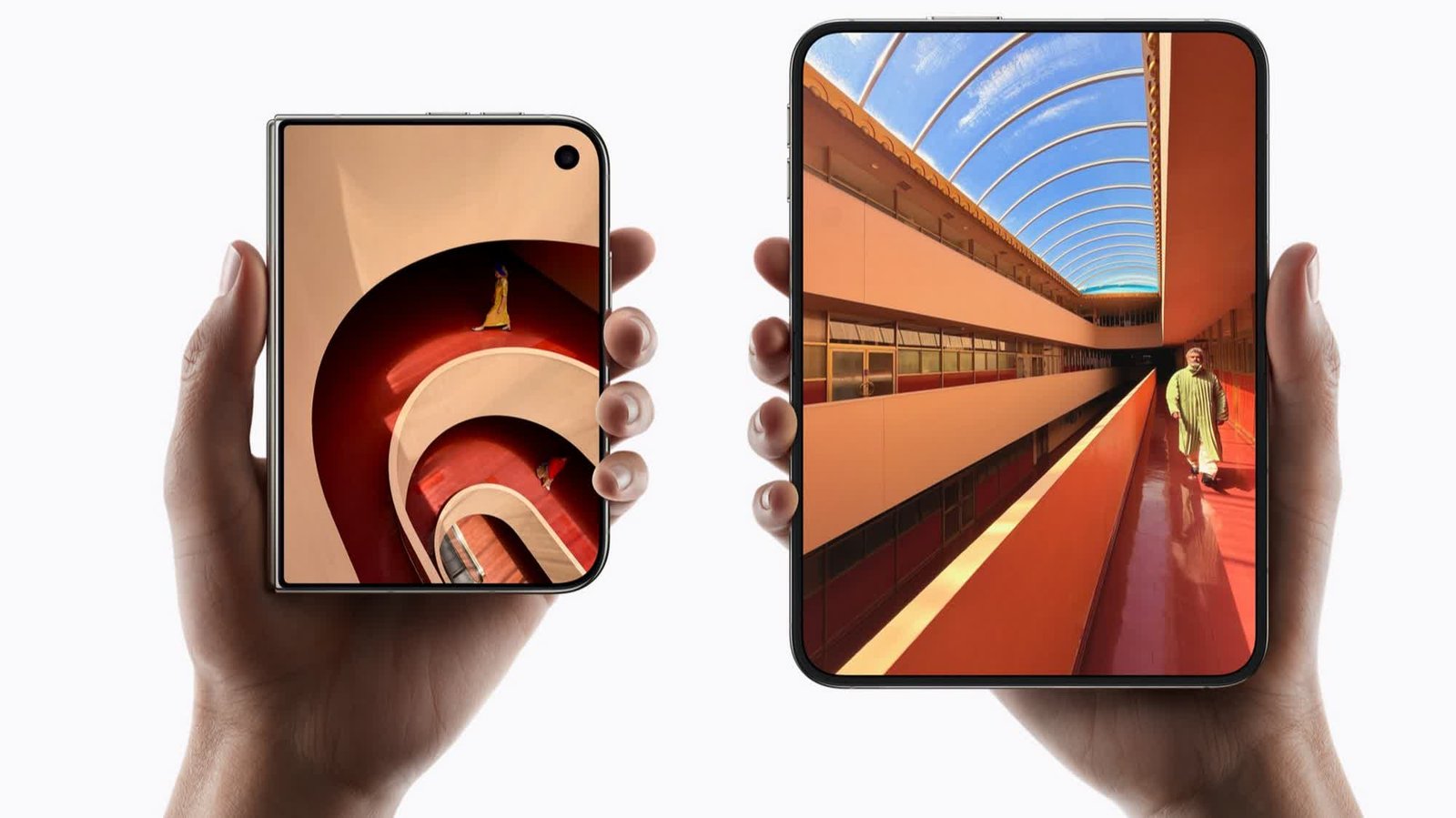
The iPhone Duo, Apple’s first folding smartphone, was unveiled at the company’s “Surprise and Shine” hardware event in Cupertino, California. New Chief Executive Officer John Ternus, who previously served as Senior Vice President of Hardware Engineering, took the stage to introduce the device. Ternus called it “the most transformational change to iPhone since the original,” signaling Apple’s readiness to take on competitors like Samsung and Google in the premium flexible-screen market.
To handle the high-performance demands of a dual-screen device, Apple turned to its long-standing manufacturing partner Taiwan Semiconductor Manufacturing Company (TSMC). The A20 Pro system-on-chip (SoC) inside the iPhone Duo is fabricated on TSMC’s cutting-edge 2-nanometer (2nm) node. This move beyond the 3nm processes used in previous flagship phones packs more transistors into a smaller, more power-efficient footprint.
The device ships with iOS 27, which includes software optimizations tailored specifically for the folding form factor. A redesigned Today View uses the expanded internal workspace to display two Home Screens simultaneously, with one side showing a vertically scrolling, customizable widget list. The Dynamic Island interface has been adapted for the larger screen, working alongside a new circular status bar module that displays battery status, cellular strength, and Wi-Fi connectivity in a unified layout.


Apple has brought back Touch ID by embedding a capacitive fingerprint sensor directly into the power button, similar to the hardware layout on recent iPad Air and iPad mini models. Users can also unlock the phone using Face ID or an authenticated Apple Watch in close proximity. The physical design of the iPhone Duo addresses many structural and weight challenges historically associated with foldable devices. The main frame is constructed from Grade-5 titanium, a high-strength, lightweight alloy first introduced to the smartphone lineup with the iPhone 15 Pro series.
The A20 Pro architecture comprises a 6-core CPU, a 7-core GPU, and a dual 16-core Neural Engine. Apple claims the new CPU and GPU offer performance improvements of up to 20% and 40% respectively compared to the previous-generation A19 Pro. The dual Neural Engine delivers twice the computational power of its predecessor, optimized specifically to run complex, on-device artificial intelligence models. To prevent thermal throttling during intense gaming, multitasking, or AI workloads, Apple integrated a custom vapor chamber cooling solution into the chassis, which the company says allows the A20 Pro to maintain 35% better sustained performance than the iPhone 17 Pro.
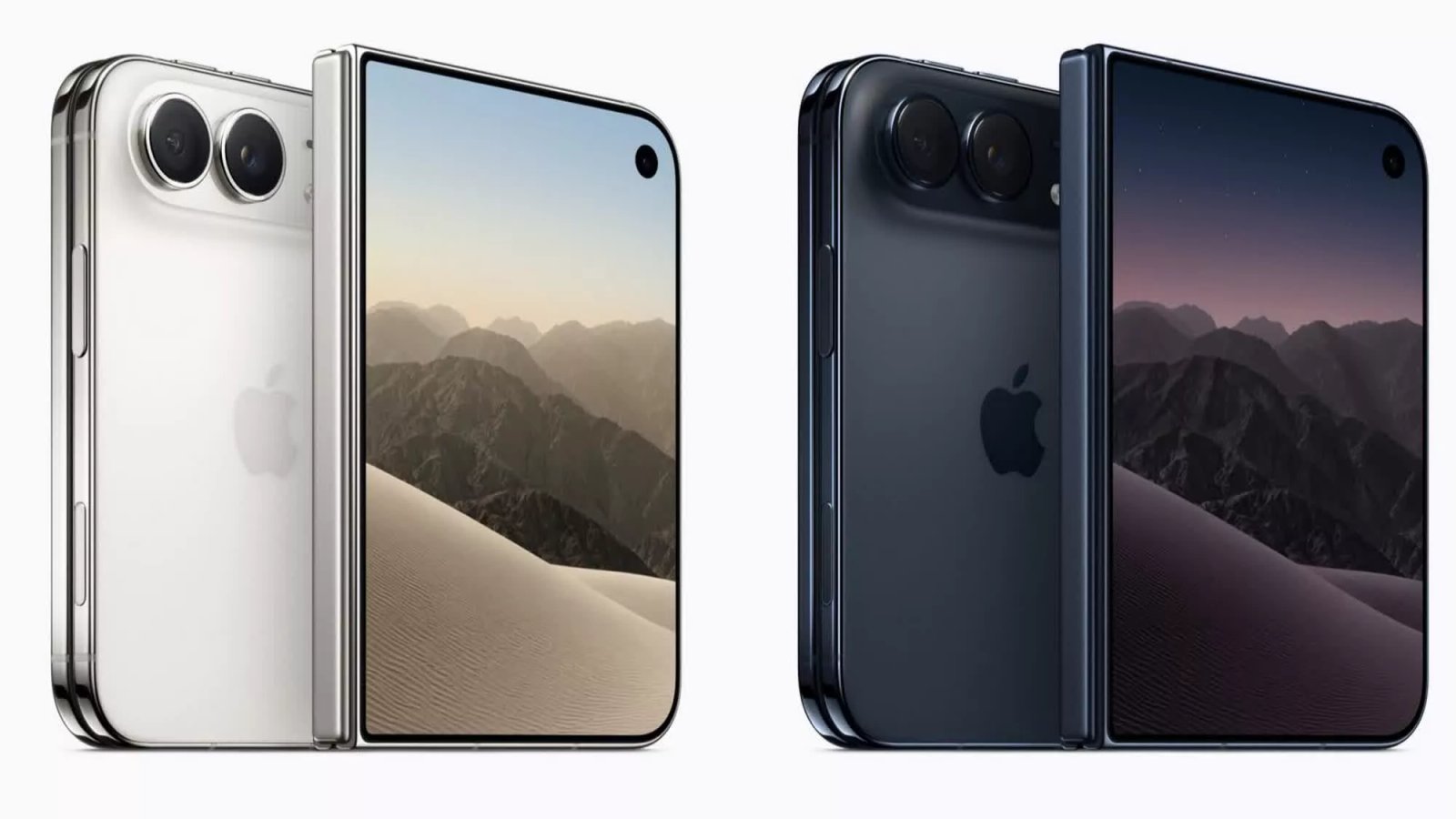
The hinge mechanism features a 3D-printed cover with a micro-blasted finish, creating a distinct aesthetic contrast against the mirror-polished texture of the main frame. Additionally, Apple incorporated ceramic fiber inserts within the frame’s antenna splits to increase overall structural rigidity without compromising wireless signal strength. Wireless connectivity relies on custom Apple silicon, including the proprietary N1 networking chip, which manages Wi-Fi 7, Bluetooth 6, and Thread smart-home connectivity protocols. Cellular operations are handled by the custom C2 modem, which includes support for high-frequency 5G mmWave networks.
The iPhone Duo boasts two “Super Retina XDR” ProMotion displays. The primary folding screen on the inside measures 7.6 inches, while a smaller 5.4-inch cover screen on the exterior handles standard, single-handed operations. Both displays are protected by Ceramic Shield 2 glass, reach a peak outdoor brightness of 3,000 nits, and are scheduled to receive support for the updated USB-C Apple Pencil via a forthcoming iOS software update.

The device features a versatile camera array designed for both folded and unfolded states. The primary exterior setup includes a 48-megapixel Fusion ultra-wide camera alongside a 12-megapixel secondary telephoto camera with 2x optical zoom. This rear system supports high-speed 4K video recording at 120 frames per second, as well as 4K time-lapse capture in Dolby Vision HDR. For video conferencing and selfies, the phone features an exterior Center Stage camera and an under-screen FaceTime camera embedded beneath the interior folding display.
Apple is positioning the iPhone Duo at the absolute top of its premium tier. The device will be available in two colors, Star White and Night Sky, with pricing starting at $1,999 for the base 256GB storage model. Customer pre-orders are scheduled to begin on October 16, with general retail availability starting on October 23.