U.S. Military Completes Iraq Withdrawal as Coalition Shifts Counter-ISIS Command to Jordan
Coalition headquarters relocates to Jordan as Baghdad confronts security gaps left by departing American air-defense systems.
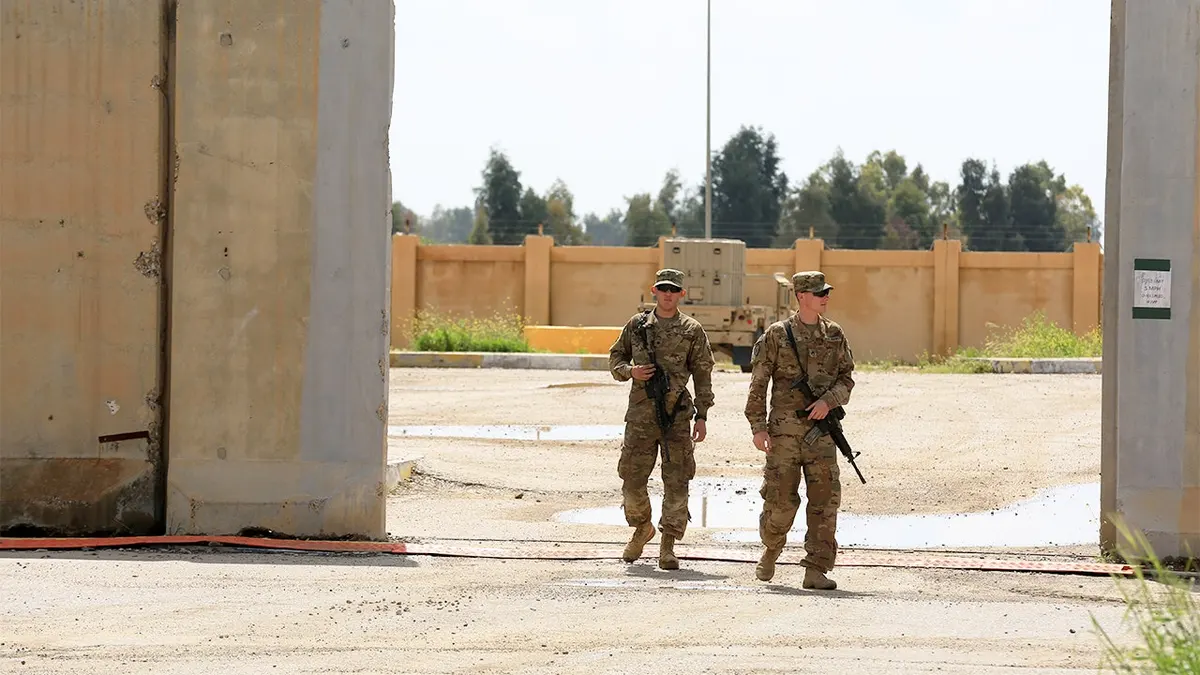
The United States military finalized its withdrawal from Erbil Air Base on Sept. 30, ending a decade-long counter-ISIS combat mission inside Iraq and transferring full security responsibility to Iraqi forces.
The departure of the last American personnel and equipment from the northern Iraqi installation marks the definitive close of Operation Inherent Resolve’s physical footprint in the country. The U.S.-led Combined Joint Task Force has relocated its headquarters to neighboring Jordan, where it will continue directing regional counterterrorism operations, including ongoing missions in Syria alongside coalition partners and the Syrian government.
Adm. Brad Cooper, commander of U.S. Central Command, credited tens of thousands of American service members, diplomats, and civilian personnel for degrading the Islamic State to the point that it no longer poses a systemic threat to Iraqi national security. Cooper emphasized that U.S. and coalition forces stationed across the Middle East remain positioned to respond if ISIS attempts to reconstitute.


Erbil served as the primary operational hub for the coalition since the mission’s inception, housing most of the roughly 1,500 American and allied troops supporting Iraqi security efforts. The drawdown accelerated last October when Washington and Baghdad began transitioning their framework from a combat-focused coalition into a bilateral defense relationship.
<img src="https://nile1.com/wp-content/uploads/2026/09/brad-cooper-CENTCOM-commander.jpg” alt=”Adm. Charles ” width=”1200″ height=”675″ />
The exit represents the second time the U.S. military has fully withdrawn from Iraq. American forces initially departed in 2011 following the 2003 invasion that ousted Saddam Hussein, only to return three years later after ISIS swept through western and northern Iraq, capturing major cities including Mosul and threatening Baghdad. Unlike the 2011 pullout, which left a vacuum rapidly exploited by extremists, the current transition occurs while Iraqi security forces—including the Kurdish Peshmerga—maintain established command structures and territorial control.
However, the security environment facing Baghdad today differs fundamentally from the one that existed during the height of the anti-ISIS campaign. While the Islamic State operates primarily as a degraded insurgency conducting sporadic attacks, Iran-backed militias embedded within Iraq represent a parallel armed structure outside direct government control. Baghdad has repeatedly attempted to integrate these factions into official state security apparatuses or force them to surrender heavy weaponry, but the most powerful groups have resisted disarmament.
This internal friction has produced sharply divided reactions to the American departure. Iran-aligned political factions and militia networks celebrated the withdrawal as a strategic victory, having spent years launching rocket and drone attacks against U.S. bases specifically designed to force an exit.
Conversely, officials in the semi-autonomous Kurdistan Region have expressed alarm over the loss of American air-defense infrastructure. Erbil has frequently been targeted by ballistic missiles and explosive drones launched by regional adversaries and proxy groups. The U.S. military presence previously provided Patriot missile batteries and early-warning radar coverage that local Kurdish forces cannot independently replicate, leaving a tactical gap in regional airspace protection.
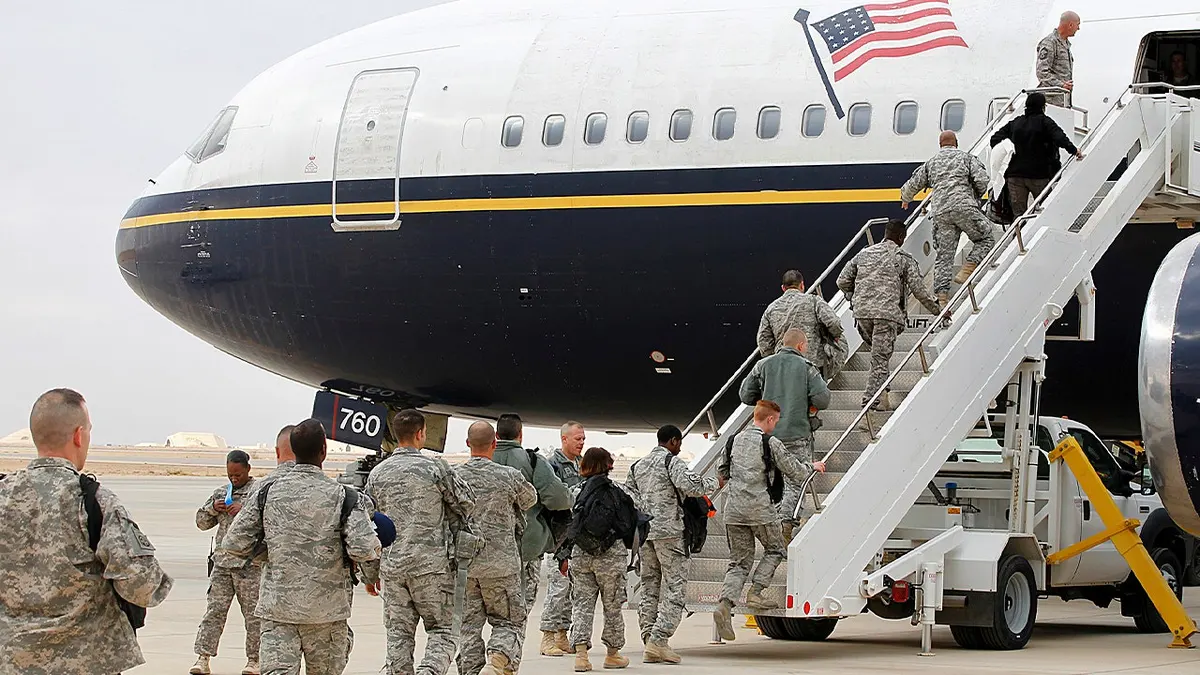
The broader architecture of Operation Inherent Resolve continues despite the geographic shift. By moving the task force headquarters to Jordan, the Pentagon maintains a centralized command node capable of coordinating airstrikes, intelligence sharing, and advisory support across the Levant. U.S. forces also retain a presence in Syria, operating in coordination with local partners to secure detention facilities holding captured ISIS fighters and prevent territorial resurgence.
CENTCOM confirmed the completion of the Erbil handover on Wednesday, stating that all coalition personnel and sensitive materiel have been accounted for and removed from Iraqi territory.