Tropical Smoothie Cafe Hits $1.6 Billion in Sales as Digital Orders and New Kitchens Drive Expansion
A new kitchen system called Smooth Operator and nearly 40% digital sales are reshaping how the 1,800-unit fast-casual chain handles peak demand.
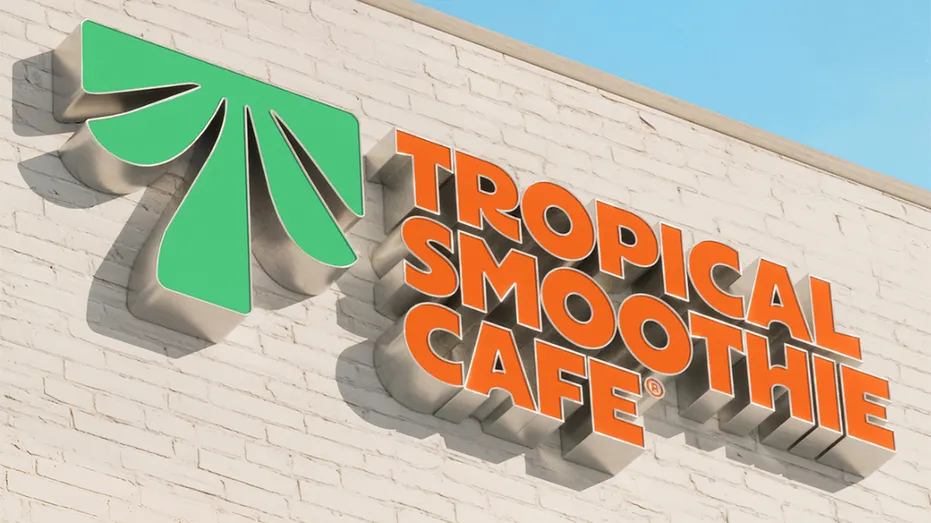
Nearly 40% of Tropical Smoothie Cafe’s revenue now originates outside its physical restaurants, a digital shift that has pushed the Atlanta-based fast-casual chain past $1.6 billion in annual system sales and accelerated plans to exceed 1,800 U.S. locations by the end of 2026.
The migration toward mobile ordering, delivery apps, and drive-through pickup has fundamentally altered how the company operates. To handle off-premise demand without slowing down dine-in service, Tropical Smoothie is deploying a proprietary kitchen architecture called “Smooth Operator.” The redesigned food preparation system reconfigures assembly lines to improve throughput speed and order accuracy during peak hours — a critical operational upgrade for any franchise model where third-party delivery drivers compete for counter space with walk-in customers.
Select restaurants are also testing self-service kiosks, mirroring a broader industry pivot toward automated ordering that competitors like Panera Bread and Shake Shack have used to increase average ticket sizes while reducing front-of-house labor costs.


Digital infrastructure extends beyond the point of sale. The chain recently overhauled its website and mobile application to support a loyalty program that has enrolled 13 million members. For a brand that historically competed primarily against juice bars and smoothie-only shops like Jamba, building a data-rich membership base positions it to compete more directly with coffee giants and broad-menu fast-casual operators for daily consumer habits.
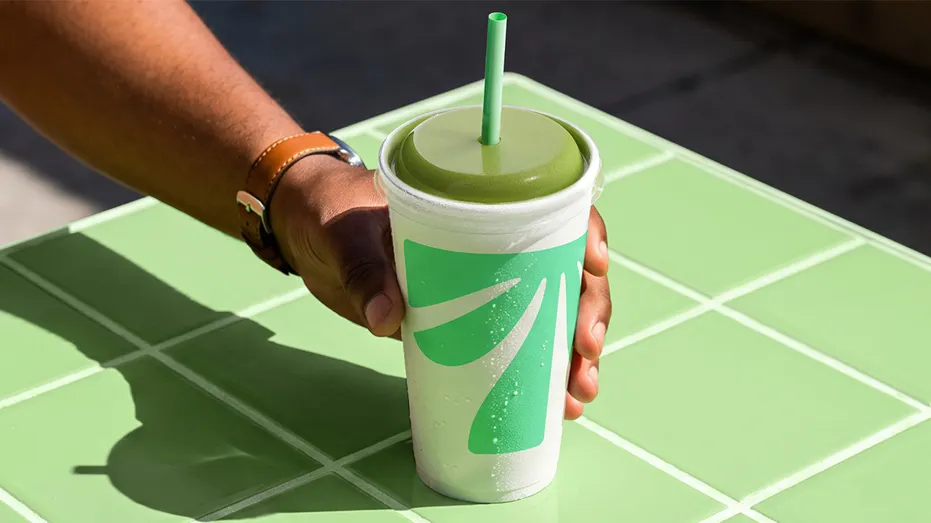
To visually align its physical footprint with its expanding digital presence, Tropical Smoothie introduced a comprehensive brand refresh on Sept. 16. The update includes a redesigned logo and interior aesthetic anchored by the slogan “Eat Some Good!” Chief Executive Max Wetzel described the overhaul as an effort to standardize the customer experience across all touchpoints rather than fundamentally alter the menu or concept.
That consistency matters most in the chain’s newest real estate targets. Tropical Smoothie is actively securing leases inside airport terminals and on military bases. Non-traditional venues require highly standardized operating procedures because they are often managed by third-party hospitality contractors rather than traditional franchisees. Success in these high-traffic, captive-audience environments frequently serves as a prerequisite for international franchising, which the company is currently mapping out after prioritizing domestic saturation.
The expansion arrives during a volatile period for restaurant economics. Persistent inflation on ingredients such as fresh fruit, dairy, and proteins has squeezed margins across the fast-casual sector. While major chains including Starbucks have responded to shifting traffic patterns by closing underperforming units, Tropical Smoothie is betting that consumers will continue trading down from full-service restaurants into the $10-to-$15 fast-casual window, provided the perceived nutritional value justifies the cost.
The brand’s core menu of made-to-order smoothies, wraps, and bowls leans heavily into the better-for-you dining category. Unlike legacy burger or chicken chains attempting to retrofit healthier options onto existing menus, Tropical Smoothie’s entire supply chain is built around perishable produce, giving it inherent credibility with health-conscious diners but requiring tighter inventory management to prevent spoilage.
Private equity has played a significant role in enabling this scale. Levine Leichtman Capital Partners acquired the brand in 2021, providing the capital necessary to aggressively recruit multi-unit franchisees and fund corporate-level technology investments. That financial backing has allowed the company to grow its store count rapidly since its founding in Florida in 1997 and subsequent relocation of headquarters to Georgia.
Franchise development remains concentrated in suburban markets and Sun Belt states, though the push toward 1,800 units requires deeper penetration into the Midwest and Northeast. Wetzel indicated the company is evaluating growth opportunities methodically rather than pursuing unit count targets at the expense of operational standards.