Android Desktop Mode: How to Turn Your Pixel Into a Workstation and Its Critical Limitations
A guide to setting up your Pixel as a workstation, including key drawbacks like thermal issues and lack of 4K support.
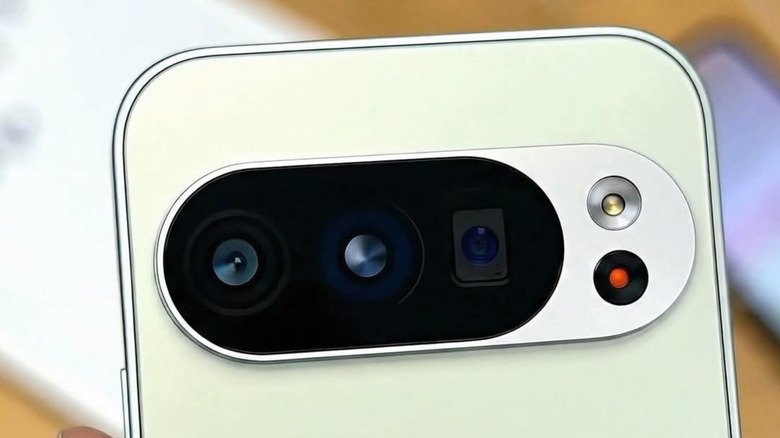
Google has finally delivered on the long-standing promise of turning a smartphone into a full-fledged computer. With the March Pixel Drop update for Android 16, Desktop Mode is now available to users with Pixel 8 devices and newer models. This feature moves beyond simple screen mirroring, offering a windowed interface that allows multiple apps to run side-by-side, complete with a start menu and notification center. For remote workers and students looking to reduce hardware costs, this transforms an existing phone into a viable lightweight workstation without needing a laptop.
The setup process requires minimal technical expertise but specific hardware connections. To activate the mode, connect the compatible Pixel device to an external monitor using a high-speed USB-C cable. Upon connection, a system prompt will appear, asking whether to mirror the display or launch Desktop Mode; selecting the latter initiates the desktop environment. Input devices such as keyboards and mice can be paired via Bluetooth or connected through a USB hub. Once configured, the interface behaves similarly to Windows or macOS, allowing users to resize application windows and manage multitasking flows efficiently. Notably, if a user disconnects and reconnects the phone, the system preserves the previous window layout, ensuring continuity in workflow.
Despite its utility, the experience comes with significant performance trade-offs that potential adopters must consider. Thermal management remains the most immediate hurdle. Testing indicates that sustained use of Desktop Mode causes the phone to heat up rapidly—within roughly 30 minutes of light usage—due to the intense processing required to render a desktop UI alongside background services. This thermal stress accelerates battery degradation over time, making it less suitable for all-day professional use compared to dedicated laptops. Furthermore, the current implementation caps refresh rates at 60 Hz and lacks native support for 4K resolution, which limits visual fidelity when connected to high-end monitors.


Software compatibility also presents friction points. While basic productivity tasks like document editing and web browsing function smoothly, resource-intensive applications often struggle. Most mobile-optimized games do not support keyboard and mouse inputs natively, restricting gaming capabilities unless third-party tools are employed. Additionally, Chrome extensions—including popular utilities like Grammarly or tab managers—do not operate within the Desktop Mode browser environment, creating a functional gap for power users reliant on these plugins. Unlike Samsung’s DeX, which has matured over several years, Google’s solution is still in its early stages, meaning certain enterprise-grade features and peripheral integrations may remain absent until future updates refine the ecosystem.