Latvia Deploys Diver Specialists to Hormuz as Rinkēvičs Warns of Iran-Russia Drone Synergy
Rinkēvičs links Iranian drone origins to Russian battlefield adaptations while dismissing imminent invasion fears.

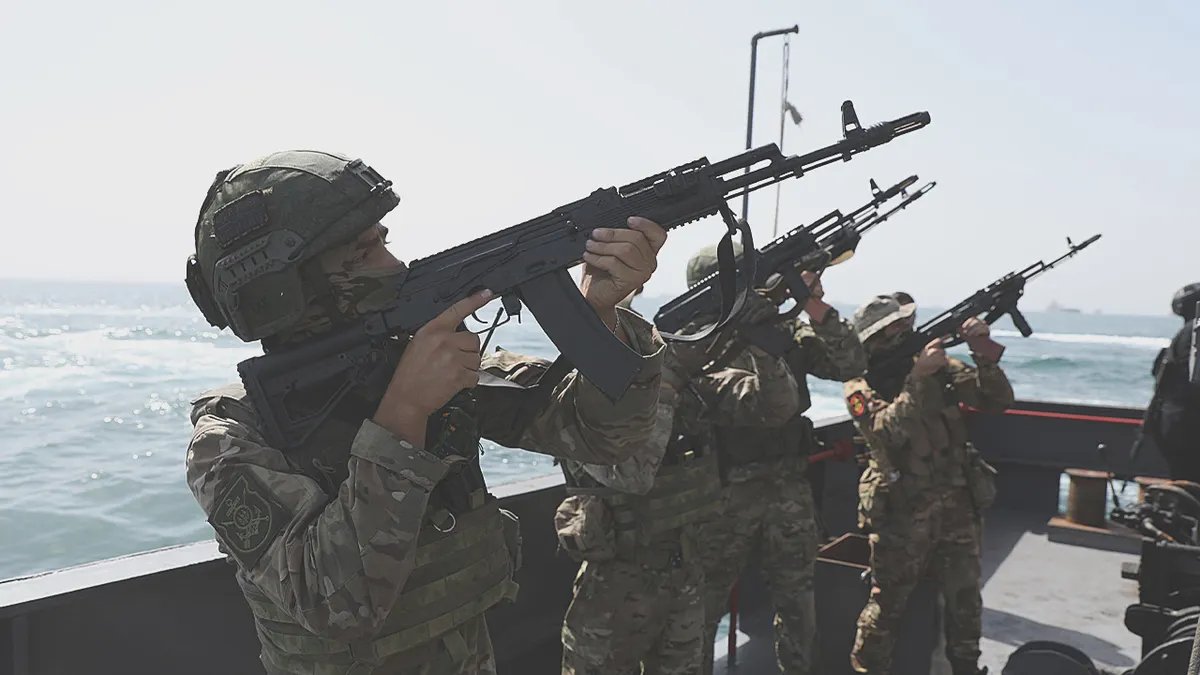
Latvia has authorized the deployment of explosive ordnance disposal (EOD) divers to the Strait of Hormuz, marking a concrete shift from diplomatic rhetoric to operational support for U.S.-led maritime security efforts in the Middle East. President Edgars Rinkēvičs confirmed the parliamentary decision during an interview at the United Nations General Assembly, positioning the Baltic nation’s specialized naval capabilities as a direct response to escalating tensions involving Iranian military assets.
The move underscores a broader strategic realignment where Eastern European allies are increasingly contributing niche expertise to global hotspots far removed from their immediate borders. While Latvia maintains a population of roughly 1.84 million, its contribution of highly trained EOD specialists addresses critical vulnerabilities in mine clearance and underwater sabotage detection—areas where conventional surface fleets often lack depth. This deployment aligns with Washington’s recent appeals for allied burden-sharing in securing vital energy chokepoints against asymmetric threats.
Rinkēvičs framed this regional engagement within the context of deepening military-industrial ties between Moscow and Tehran. He highlighted that Iranian-designed drones remain foundational to Russia’s aerial campaign in Ukraine, even as Russian engineers modify the platforms with new technologies. “The design is still Iranian,” the president noted, emphasizing that initial batches of Shahed-type loitering munitions provided by Tehran have evolved into domestically produced variants like the Geran-2. This technological transfer suggests that counter-drone strategies developed for the Black Sea or Baltic regions may require adaptation for Persian Gulf scenarios, given the shared lineage of unmanned systems.


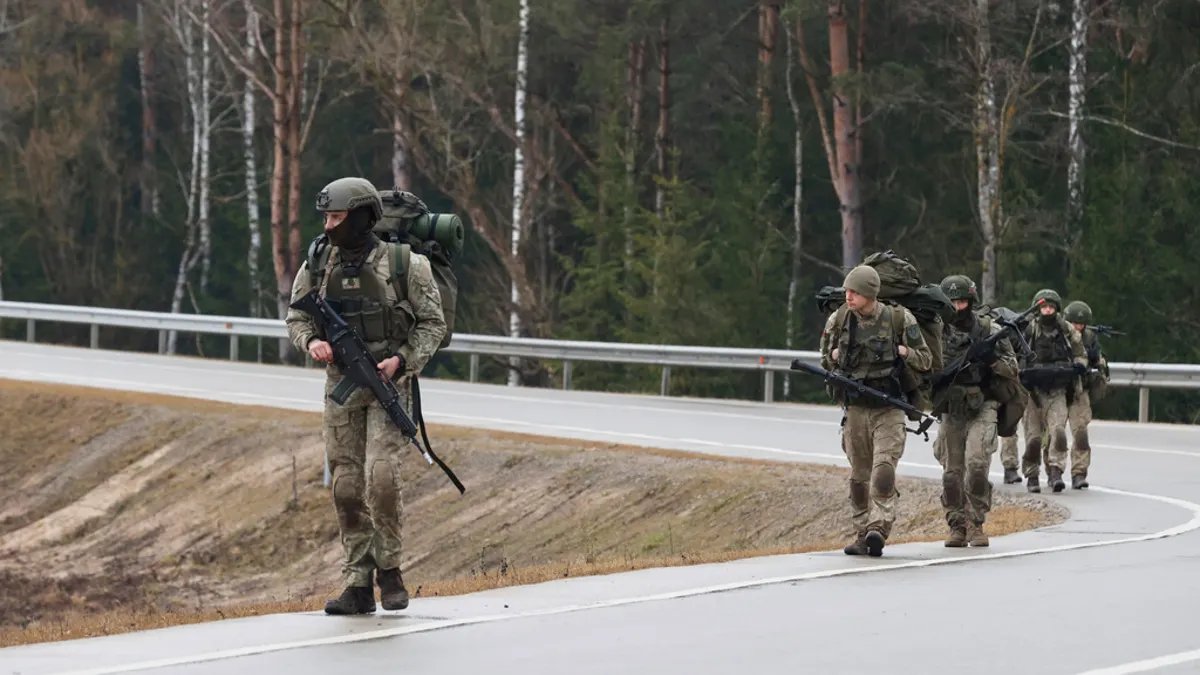
Despite these external deployments, Latvia’s primary security focus remains anchored in deterrence against potential Russian aggression on NATO’s eastern flank. Rinkēvičs dismissed fears of an imminent large-scale invasion, arguing that the degradation of Russian combat power after more than four years of war in Ukraine reduces the likelihood of a successful offensive against fortified NATO members. “If Russia were able to attack us … that would have happened already,” he stated, referencing the failed attempt to capture Kyiv in early 2022. Instead, the president identified hybrid warfare—specifically cyberattacks, disinformation campaigns, and infrastructure sabotage—as the prevailing threat vector requiring constant vigilance without inducing public panic.
This assessment reflects a nuanced understanding of modern conflict dynamics, where kinetic victory is less probable than attritional instability. The Latvian leader acknowledged that while traditional armor remains relevant, the battlefield transformation driven by cheap, mass-produced drones necessitates rapid doctrinal shifts within NATO. Increased defense spending, spurred by sustained pressure from former U.S. President Donald Trump and current administrative priorities, provides necessary funding but does not guarantee immediate procurement readiness. Supply chain bottlenecks continue to delay delivery of ordered equipment, a logistical reality that complicates force generation timelines.
To bridge capability gaps, Rinkēvičs indicated plans to engage directly with U.S. defense contractors during his visit, seeking accelerated access to proven systems rather than waiting for long-term industrial expansion. He credited existing American troop rotations at Lielvārde Air Base as essential to regional stability, though he stressed the need for expanded partnerships to handle future contingencies. The integration of Latvian special operations experts into Middle Eastern coalitions illustrates how smaller NATO members are leveraging high-value skills to maximize strategic impact beyond their geographic sphere, effectively linking Baltic security concerns with Indo-Pacific and Middle Eastern stability through shared adversary tactics.