Manchester City Found Guilty on 114 Charges: How Relegation Threat Reshapes Haaland’s Future
Why Administrative Relegation Could Break Up Guardiola's Era Before Appeals Are Exhausted
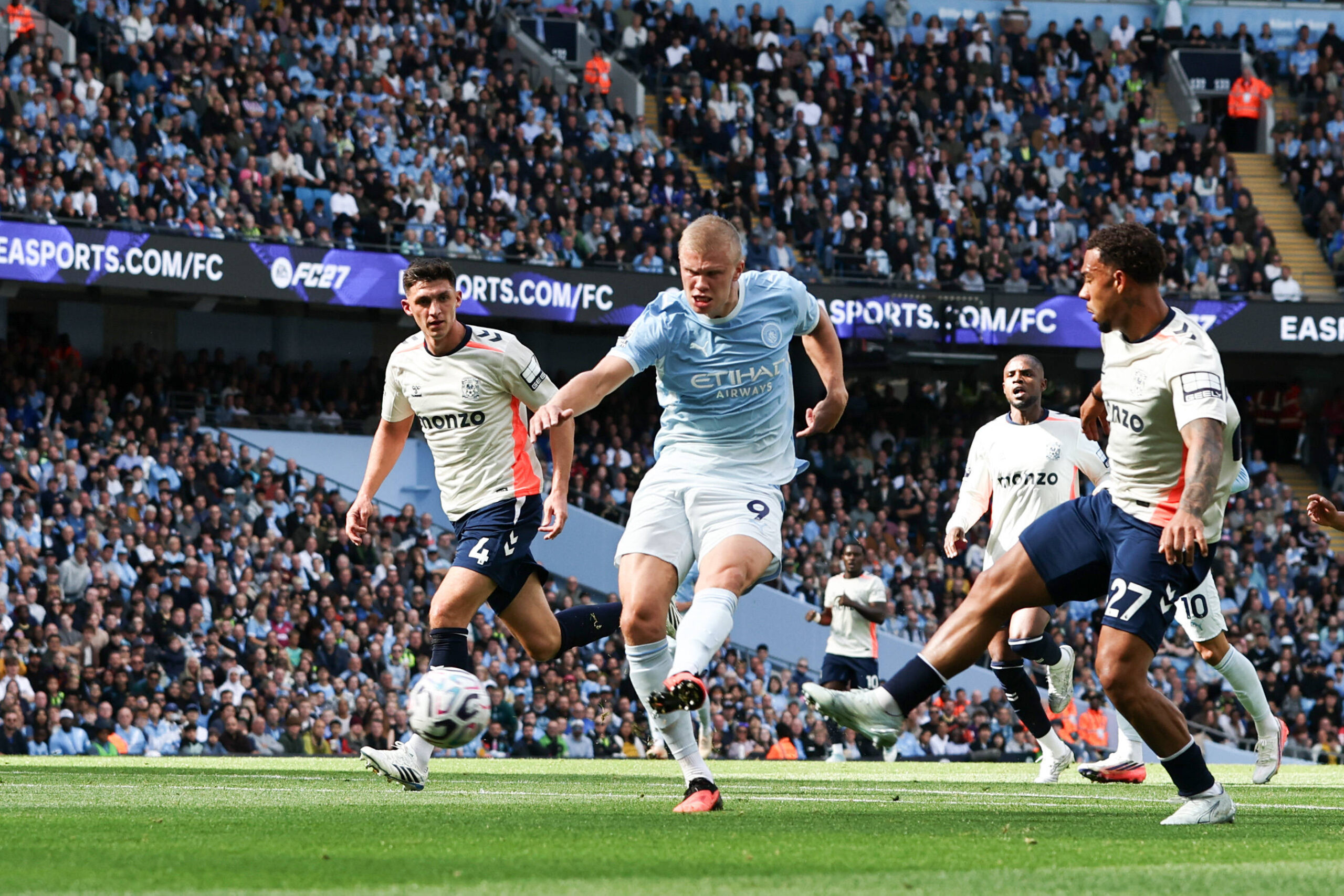
A seismic shift in English football governance is underway following reports that Manchester City have been found guilty on 114 of the 115 financial and regulatory charges brought by the Premier League. While the legal proceedings remain active and subject to appeal, the sheer volume of alleged breaches—spanning multiple seasons of undisclosed payments, agent commissions, and ownership transparency failures—signals a potential endgame for one of the sport’s most dominant eras. The immediate consequence is not merely financial but existential: if sanctions include points deductions or administrative relegation, the structural integrity of the club’s sporting project faces unprecedented risk.
The focal point of this instability is Erling Haaland. Tied to the Etihad Stadium until 2034 under a contract that symbolizes long-term certainty, the Norwegian striker now finds himself at the center of a hypothetical crisis management scenario. Unlike typical transfer speculation driven by performance or ego, Haaland’s potential departure would be triggered by institutional failure. Reports indicate no specific release clause activates upon relegation, yet the practical reality of playing in the Championship—or facing multi-year European bans—creates de facto conditions for exit. Agents and rival clubs are already recalibrating their strategies, recognizing that contractual duration offers little protection when the competitive platform itself collapses.
Barcelona emerges as a persistent beneficiary of such turmoil, despite its own constrained fiscal landscape. The Catalan giants have historically viewed Haaland as the ideal successor to their traditional number nine lineage, aligning with La Masia’s legacy of producing world-class forwards like Lionel Messi and Luis Suárez. However, any move for Haaland would require navigating complex Financial Fair Play (FFP) regulations similar to those currently besieging City. This irony underscores a broader trend in modern football: regulatory frameworks intended to ensure parity often become weapons used by rivals during periods of instability. For Barcelona, acquiring Haaland would represent more than just talent acquisition; it would signal a return to global supremacy, contingent on resolving internal debt structures first.


The distinction between fine-based penalties and sporting sanctions remains critical. Previous cases involving Everton and Nottingham Forest resulted in points deductions for breaching profitability rules, but these were isolated incidents affecting single-season standings. A verdict against City covering nearly a decade of operations suggests systemic non-compliance rather than accidental overspending. If the Independent Commission determines that relegation is warranted, it would mark the first time a top-tier English club has been demoted via administrative ruling since the formation of the Premier League in 1992. Such a precedent would fundamentally alter how wealthy owners view compliance costs versus competitive gains.
Beyond Haaland, the ripple effects threaten the cohesion of Pep Guardiola’s entire squad. Key contributors including Kevin De Bruyne, Rodri, and Bernardo Silva operate within an ecosystem defined by consistent Champions League participation and domestic title contention. Should City drop out of Europe’s elite competition circuit, sponsor revenues plummet, and broadcast income halve, the wage bill becomes unsustainable without significant roster pruning. Players signed under the assumption of perpetual success may seek exits even before formal sanctions are enforced, accelerating the disintegration of the team through voluntary departures rather than forced sales.
Current developments focus on the timeline of appeals and enforcement mechanisms. The Premier League retains discretion over sanction implementation, balancing punitive measures against league stability concerns. Legal experts note that while guilt findings carry weight, execution depends on proving direct harm to other clubs’ competitive positions—a high bar given City’s continued dominance on the pitch during the charged period. Nevertheless, the psychological impact on stakeholders cannot be underestimated. Investors, sponsors, and fans face a prolonged period of uncertainty where every match result carries additional regulatory subtext.