
REALiX Revamps HWiNFO64 With Blackwell Thermal Sensors
New telemetry for Blackwell GPUs, GDDR7 memory, and Intel Arrow Lake platforms
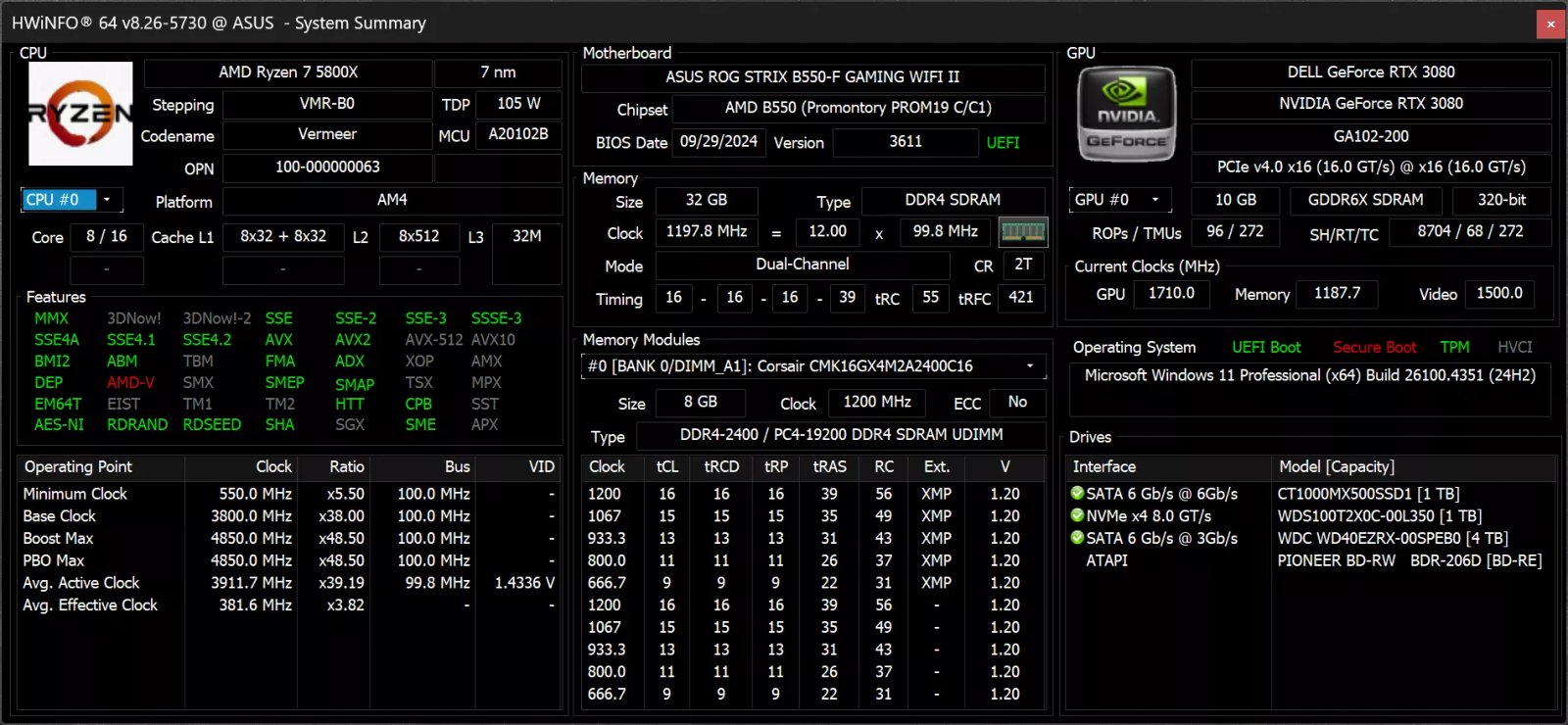
The software update implements per-chip VRAM temperature monitoring for AMD Navi-generation GPUs and expands its hardware database to support the AMD Radeon RX 9060 XT LP (Low Profile) and the Radeon RX 9050. On the NVIDIA side, users can now monitor the “System domain clock” on compatible GPUs, offering deeper insight into internal clock distributions and power-state transitions. With the imminent arrival of high-bandwidth memory designs and increasingly dense processor architectures, real-time thermal and electrical monitoring has transitioned from a niche overclocking practice to an essential safeguard against hardware degradation.
Additionally, as the industry begins its transition to next-generation memory standards, the software now features per-chip VRAM temperature monitoring for graphics cards equipped with GDDR6X and GDDR7 memory. High-performance graphics memory is notorious for generating substantial heat; GDDR6X, developed by Micron and NVIDIA, has historically run at elevated temperatures, often requiring precise monitoring to prevent thermal throttling. The introduction of GDDR7 memory—which utilizes PAM3 signaling to achieve unprecedented transfer rates—presents new thermal profiles that system integrators must track closely. REALiX has rolled out a major update to its popular hardware analysis and monitoring utility, HWiNFO64, introducing specialized telemetry support for upcoming graphics architectures, next-generation memory standards, and unreleased silicon platforms.
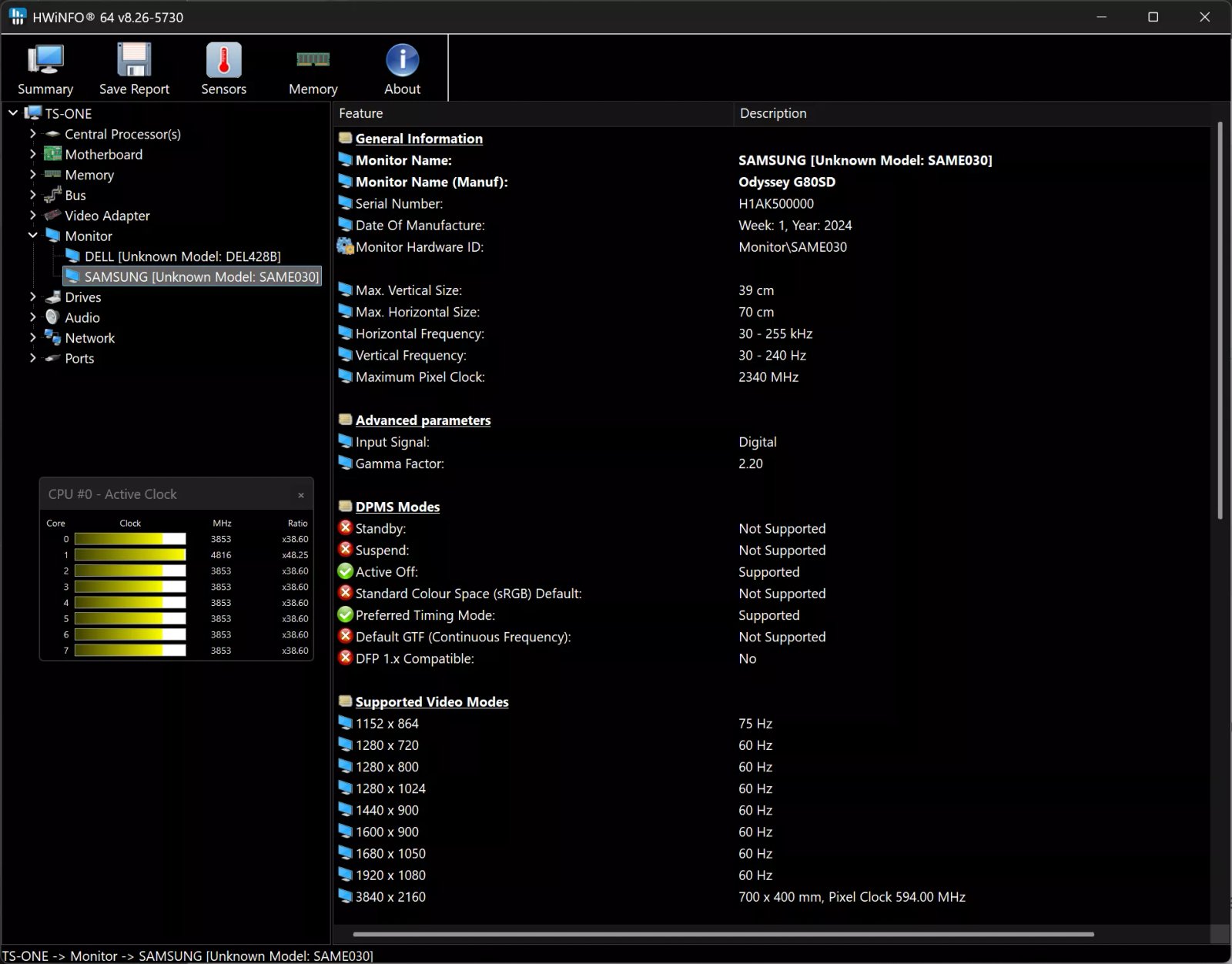

When supported by the motherboard’s controller, HWiNFO64 exposes Voltage Regulator Module (VRM) and Metal-Oxide-Semiconductor Field-Effect Transistor (MOSFET) temperatures. Tracking these values is vital for system stability; overheating VRMs can cause sudden CPU throttling or system shutdowns, even if the processor itself remains within safe thermal limits. While HWiNFO64 provides tools to manually adjust fan speeds based on these sensor readings, the developer notes that the software is primarily architected for diagnostic monitoring. For complex, automated fan curves or specialized hardware cooling setups, dedicated fan-control software utilities such as SpeedFan or the open-source FanControl remain recommended alternatives.
The core design of the software is divided into three distinct functional windows: System Summary, Full Report, and Active Sensor Readings. The System Summary presents a consolidated view of core components, clock speeds, and basic platform configurations. The Full Report is a highly detailed hierarchical inventory of every integrated circuit, interface, and bus on the motherboard, which can be exported into XML, CSV, or HTML formats. Active Sensor Readings provides a real-time data table tracking voltages, temperatures, fan speeds, and power consumption. For users seeking to isolate hardware issues, the software features a “Sensors only” launch mode, which bypasses the extensive hardware scanning process to immediately present active telemetry. This mode is frequently utilized alongside extensive logging features to diagnose intermittent system crashes or thermal throttling events under sustained workloads.
Among the most notable additions in the latest HWiNFO64 release is enhanced telemetry for NVIDIA’s upcoming “Blackwell” graphics architecture. The update introduces GPU Hot Spot Temperature reporting for Blackwell-based chips, a critical metric for assessing thermal paste application, mounting pressure, and overall cooling efficiency under heavy workloads. Looking further into Intel’s pipeline, HWiNFO64 has added preliminary support for “Razor Lake AX,” preparing the utility for future product cycles. The update also enhances low-level sensor polling for upcoming hardware platforms, specifically refining compatibility with next-generation Intel motherboards from GIGABYTE and the high-end ASUS ROG CROSSHAIR 2006 motherboard, minimizing the potential for latency spikes or system instability during sensor queries.
Developed originally by Martin Malík, HWiNFO’s development history spans more than two decades, stretching back to the MS-DOS era. Today, the software is split to accommodate different operating system architectures. HWiNFO32 supports legacy 32-bit environments from Windows 95 onward, while HWiNFO64 targets 64-bit platforms starting with Windows XP. A dedicated DOS version also remains available for low-level diagnostic environments where modern operating systems cannot be booted. The update arrives at a critical juncture for the PC enthusiast and enterprise sectors.
For Intel’s latest “Arrow Lake” processors, which power the Core Ultra Series 2 desktop lineup, the update resolves an issue with Next Generation Graphics Unit (NGU) clock reporting. Furthermore, the software has improved support for the Hygon C86 processor family. Developed through a joint venture using AMD’s Zen microarchitecture IP, these processors are heavily utilized in the Chinese enterprise and server markets, making accurate hardware reporting crucial for international IT deployments.
In terms of user interface customization, the latest build also refines the On-Screen Display (OSD) functionality, allowing users to reposition the OSD overlay window seamlessly without needing to click or drag a title bar, streamlining the visual interface during full-screen benchmarking and stress testing. Beyond standard CPU and GPU core temperatures—where HWiNFO64 tracks Intel’s highest individual core metrics and AMD’s Tctl/Tdie offsets—the software emphasizes the health of the motherboard’s power delivery system.