Solar Hardware Tied to East Los Angeles Warehouse Fire as Lawsuit Intensifies
LAFD report leaves solar equipment at the center of Lineage’s warehouse fire lawsuit
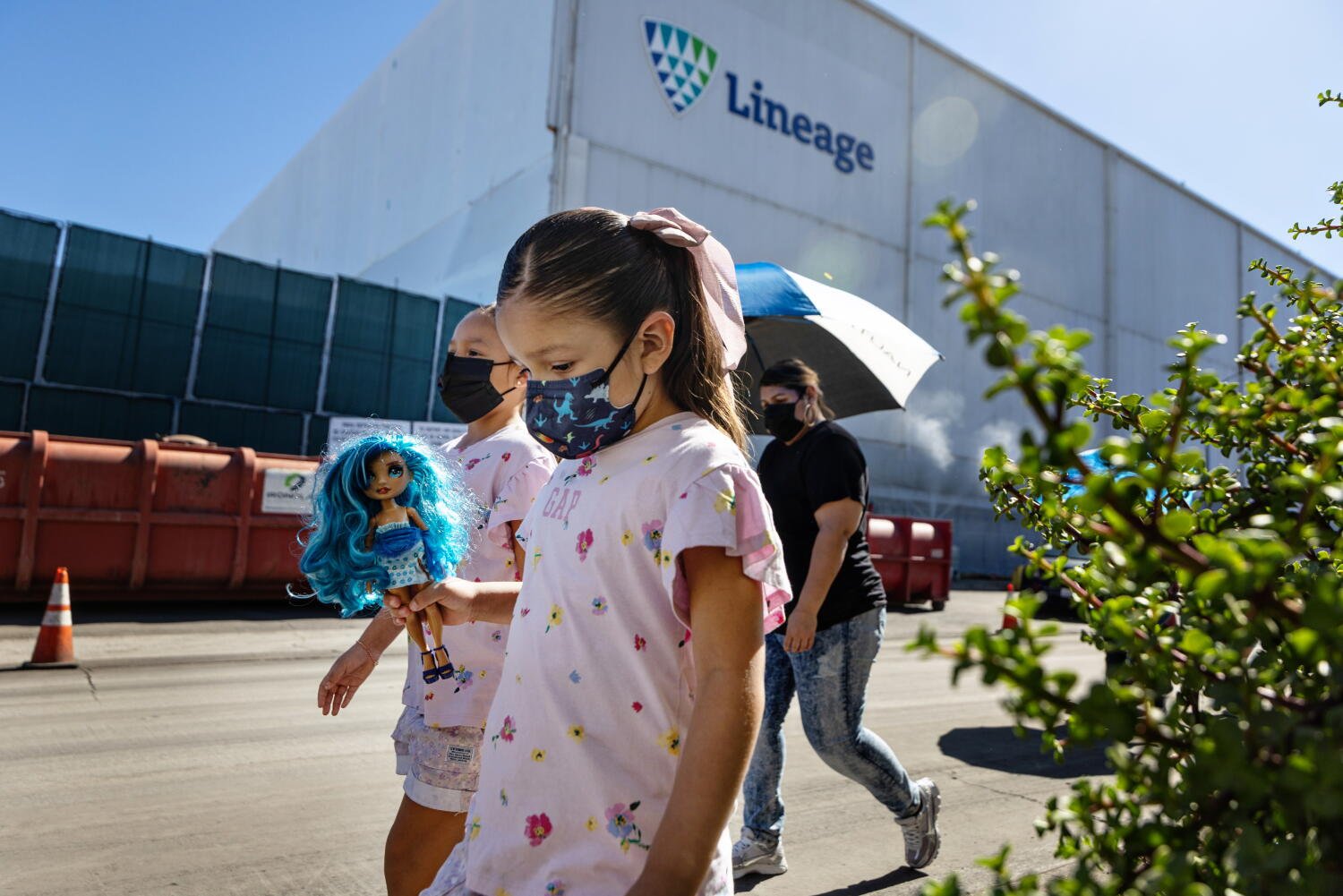
A 2024 fire on the roof of the Boyle Heights warehouse was classified in Los Angeles Fire Department records as a “failure of equipment or heat source.” After that incident, Lineage representatives contacted the Los Angeles Department of Building and Safety about potentially removing or replacing the array’s rapid shutdown devices.
The inquiry produced no code variances or exemptions from city officials. Under National Electrical Code Section 690.12, rapid shutdown systems are mandatory safety mechanisms designed to rapidly reduce roof electrical conductors to low voltage levels during emergencies, protecting firefighters from electrocution hazards. Safety researchers have noted that early-generation rapid shutdown units add numerous inline electronic modules and connection points, which can increase potential failure sites if installed incorrectly.
The equipment dispute intensified after the release of official investigative records concerning a later blaze that destroyed the commercial cold-storage warehouse in East Los Angeles. The fire forced the disposal of nearly 90 million pounds of rotting food and has become the focus of a multi-million dollar legal dispute over rooftop solar safety and component failure.


According to an official investigative report from the Los Angeles Fire Department obtained Tuesday, the fire originated on the roof within the “Grid 2” section of a massive 12,400-panel solar array. Investigators determined that it began at or adjacent to the solar hardware following an “electrical event.” Arson investigators designated the final cause as “undetermined,” while the report stated that authorities could not rule out the solar panels, connected power equipment, or ongoing maintenance work as the root trigger.
Lineage Inc., the facility operator, filed civil litigation in Los Angeles County Superior Court against clean energy provider Altus Power Inc. and contractor Pearce Services on Sept. 10. The lawsuit alleges that negligent modifications to the rooftop solar infrastructure and improper component selection directly caused the blaze.
In commercial photovoltaic (PV) systems, high-voltage direct current (DC) power flows across thousands of interconnected modules. Electrical safety standards governed by the National Electrical Code require solar array components, particularly quick-connect electrical fittings, to be strictly compatible to prevent dangerous electrical arcing. When connectors from different manufacturers are mated, or when adapter jump wires are improperly integrated, air gaps and resistance can cause localized overheating and create electrical arcs capable of exceeding several thousand degrees Fahrenheit.
According to court filings, workers conducting a system reconfiguration project installed thousands of jumper wires across the roof, significantly increasing the number of physical connection points. Lineage alleges that Altus Power and Pearce Services used up to three different brands of electrical connectors in single locations, creating severe incompatibility hazards.
The legal complaint also states that line technicians re-energized portions of the 12,400-panel array prematurely between June 5 and June 17. More than 200 documented “connector failures” had been identified at the site the previous month, and Lineage claims it explicitly instructed Altus and Pearce not to restore power until safety inspections were finalized.
On June 17, technicians were conducting rooftop testing when the fire broke out. A technician working on the roof declined to answer questions directly from fire investigators, according to the LAFD report. An executive from Pearce Services later told officials that the worker had observed one solar panel melted and another engulfed in flames during the incident’s initial moments. The worker tried to extinguish the flames with a portable fire extinguisher but saw secondary fires rapidly spotting nearby.
The blaze severely affected Boyle Heights, a historically industrial and residential neighborhood along the eastern bank of the Los Angeles River. Because the fire penetrated the warehouse’s interior structure, heavy smoke compromised its structural integrity and forced LAFD crews to conduct defensive operations from outside. Firefighters used heavy machinery to demolish perimeter walls so water cannons could drench the interior.
The facility’s industrial refrigeration infrastructure was destroyed, leaving 89 million pounds of meat and commercial food products to thaw in the summer heat. Over several weeks, the decaying food produced acrid smoke and pervasive odors while attracting swarms of flies and rodents to surrounding residential blocks.
Los Angeles City Councilmember Ysabel Jurado, who represents the Boyle Heights district, criticized the unresolved official investigation.
“Determining what caused the Lineage fire matters — not only for accountability, but to help ensure a disaster like this does not happen again,” Jurado said in a statement. “But LAFD’s finding that the cause remains undetermined does nothing to alleviate what Boyle Heights residents have endured and are still carrying: months of health concerns and disruption, along with unanswered questions about whether this site can safely operate again.”
A Lineage spokesperson said the LAFD findings backed the warehouse operator’s position, declaring: “Today’s report from the Los Angeles Fire Department validates what we have known all along: This was a solar fire.”
Neither Altus Power nor Pearce Services immediately responded to requests for comment regarding the LAFD findings or the pending civil litigation.