U.S., Israel and Morocco Turn Alliance Into Embassies Amid Red Sea Crisis
Embassy upgrades link regional diplomacy with Red Sea security and economic cooperation
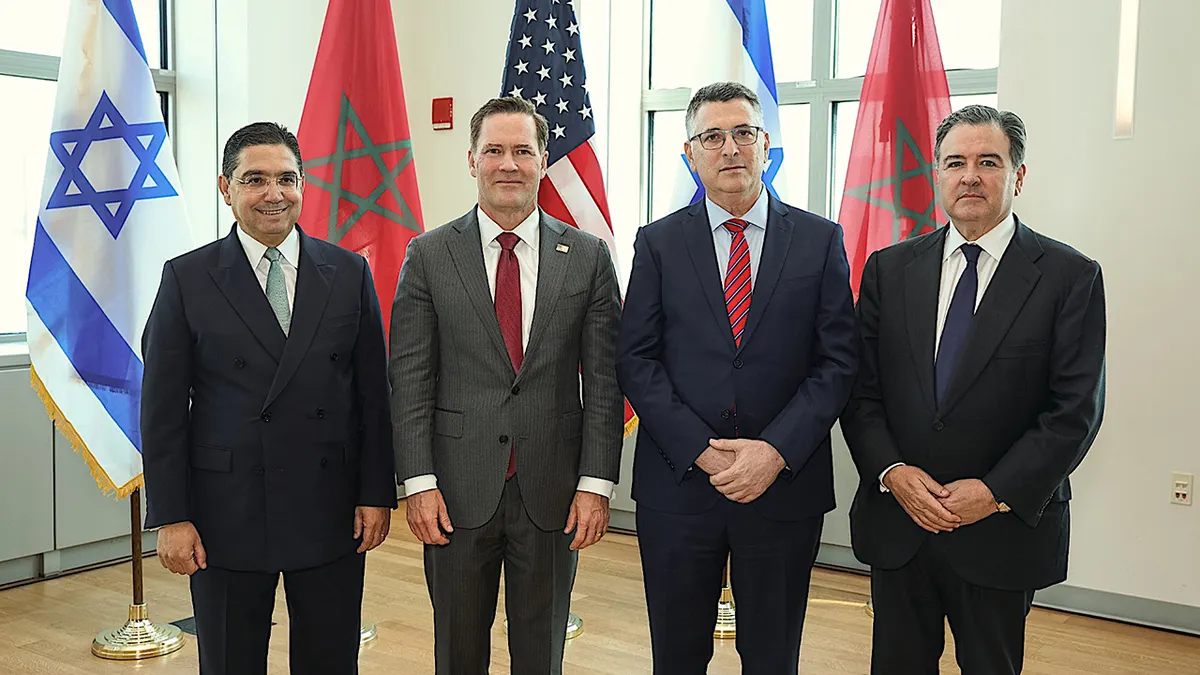
NEW YORK — The United States, Israel, and Morocco are converting their diplomatic presence into full-fledged embassies while outlining new security and economic cooperation as maritime security crises in the Red Sea intensify pressure on Middle Eastern trade routes.
The agreement to exchange ambassadors and open full embassy operations was reached during a trilateral summit at the U.S. Mission to the United Nations in New York. The meeting was convened by U.S. Ambassador to the UN Mike Waltz, Moroccan Foreign Minister Nasser Bourita, and Israeli Foreign Minister Gideon Sa’ar.
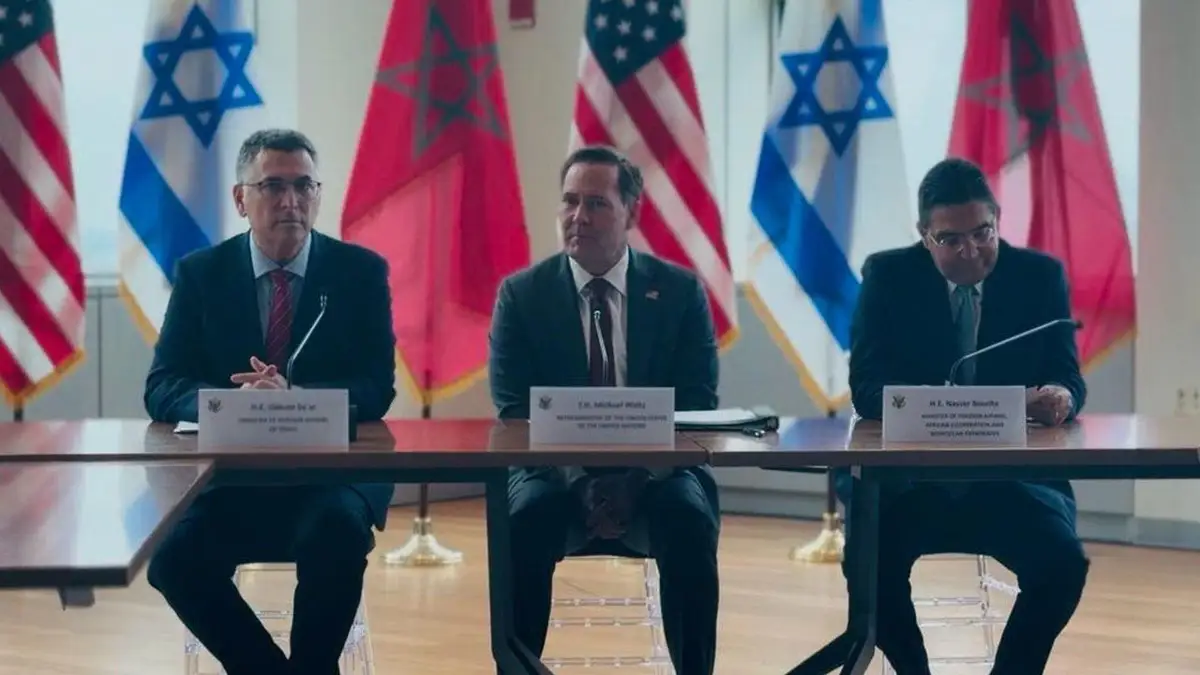


Israel and Morocco will formally upgrade their respective liaison offices in Tel Aviv and Rabat to full ambassadorial embassies. They also agreed to reinstate direct commercial flights operated by Israeli and Moroccan carriers prior to the end of 2026, while finalizing bilateral legal accords regarding investment protection and the avoidance of double taxation.
The diplomatic expansion comes six years after the establishment of the Abraham Accords, a series of U.S.-brokered normalization agreements signed at the White House on Sept. 15, 2020, between Israel, the United Arab Emirates, and Bahrain. Morocco entered the framework through a separate U.S.-Morocco-Israel Joint Declaration signed in Rabat on Dec. 22, 2020.
Before the 2020 accords, Israel and Morocco had maintained low-level diplomatic liaison offices during the 1990s following the Oslo Accords. Rabat suspended ties in 2000 during the Second Intifada. Morocco is home to North Africa’s largest historical Jewish population, and over 700,000 Israelis trace their ancestry to the North African kingdom.
The trilateral declaration reaffirmed both U.S. and Israeli recognition of Moroccan sovereignty over Western Sahara. Washington first recognized Rabat’s claim over the disputed territory in December 2020 as part of the initial normalization agreement. Israel formally recognized Moroccan sovereignty over Western Sahara in July 2023 through an official letter from Prime Minister Benjamin Netanyahu to King Mohammed VI.
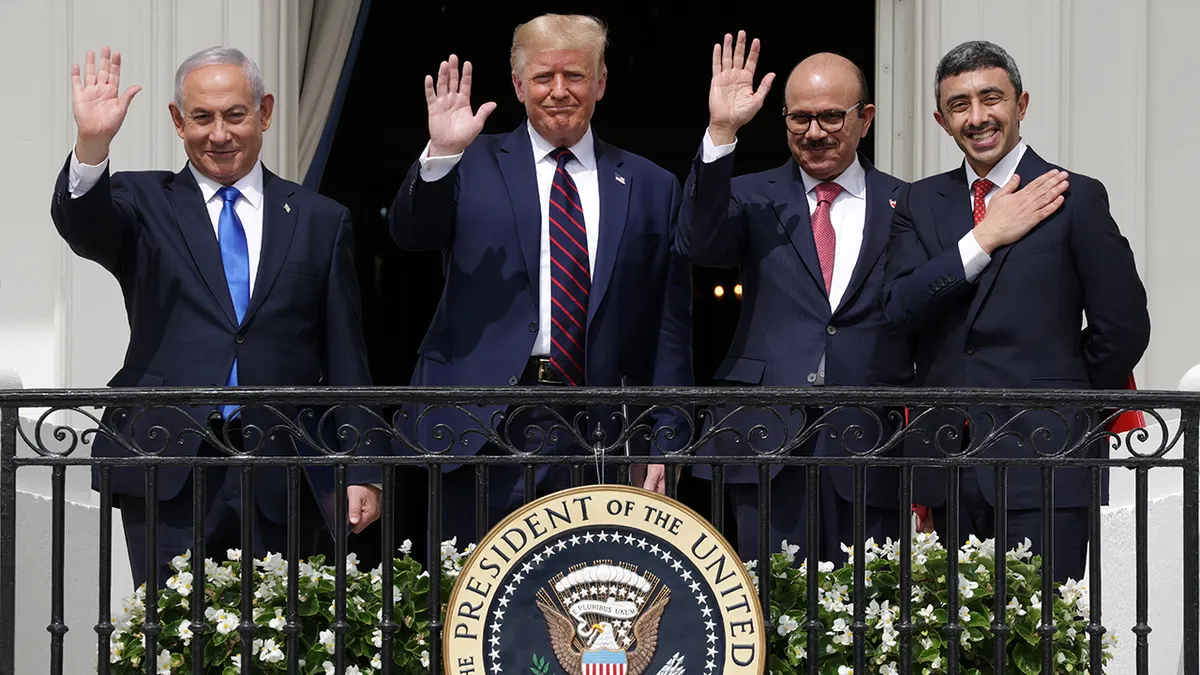
A joint statement released following the Sept. 16 meeting reiterated support for Morocco’s 2007 autonomy proposal as the sole basis for resolving the decades-long territorial dispute with the Polisario Front. The statement said the bilateral partnership will span financial services, technological research, tourism, telecommunications, energy, water management, agricultural food security, and joint regional defense initiatives.
The New York discussions also focused heavily on surrounding regional stability and commercial shipping vulnerabilities, particularly near the Arabian Peninsula and the Horn of Africa.
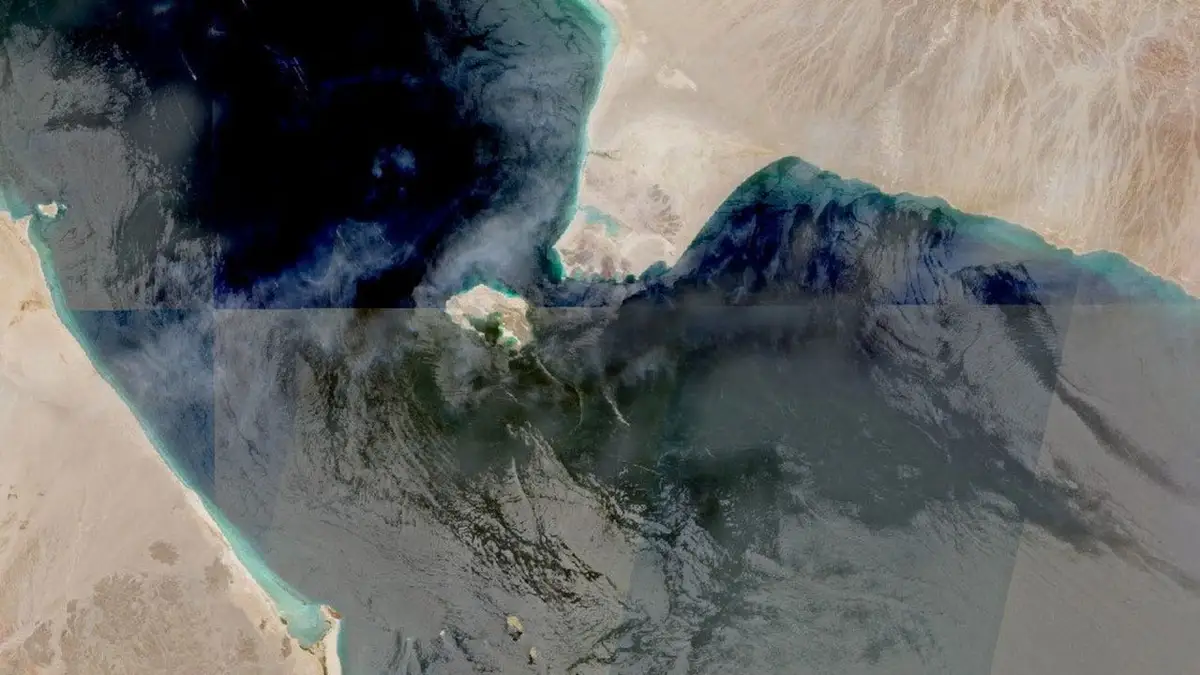
Addressing recent territorial developments along Yemen’s Red Sea coast and attacks targeting international commercial vessels near the Bab el-Mandeb Strait, officials underscored the strategic necessity of counter-terrorism and maritime security cooperation. The 18-mile-wide strait connects the Red Sea to the Gulf of Aden and handles approximately 7% of global crude oil and refined petroleum transport.
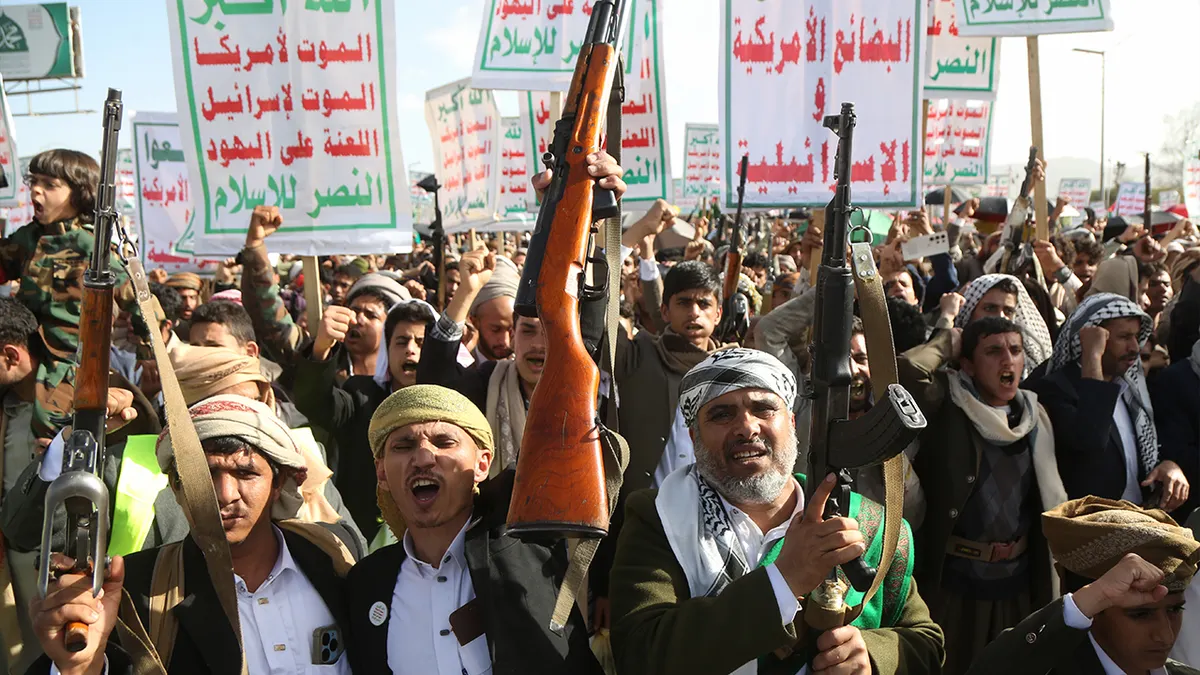
Continued missile and drone strikes conducted by Iran-backed Houthi forces since late 2023 have forced global maritime freight carriers to divert shipping lines around Africa’s Cape of Good Hope, altering international supply chains and elevating insurance costs. Waltz characterized the ongoing maritime interdictions and drone threats along international waterways as unacceptable proxy actions backed by Tehran, emphasizing that global trade routes must remain open and uninhibited.
Sa’ar pointed to security disruptions at both Bab el-Mandeb and the Strait of Hormuz as evidence of the need for expanded multilateral coordination between Middle Eastern nations and Western allies. While declining to detail operational military specifics regarding regional counter-proxy arrangements, Sa’ar confirmed that Israel seeks to further expand the Abraham Accords framework to include additional regional partners, including Saudi Arabia.
Bourita defended Morocco’s diplomatic engagement with Israel, arguing that maintaining functional channels with Jerusalem provides Rabat with practical avenues to intervene directly in humanitarian crises. During the conflict in Gaza, Morocco utilized its diplomatic ties to establish a direct land shipment corridor in March 2024, transporting 40 tons of emergency food and medical assistance into northern Gaza through Israeli entry points under orders from King Mohammed VI, who serves as chairman of the Arab League’s Al-Quds Committee.
Bourita noted that Morocco does not align with Israeli policy on every issue, but argued that constructive engagement through the Abraham Accords framework offers tangible mechanism for conflict management and stabilization, including participation in post-conflict Gaza coordination efforts. Waltz similarly cited Morocco’s ground-level humanitarian assistance and security commitments as key elements in sustaining regional crisis management.