Wesley Shermantine’s Death Closes the Speed Freak Killers Case
Shermantine’s death leaves the killers’ remaining secrets buried
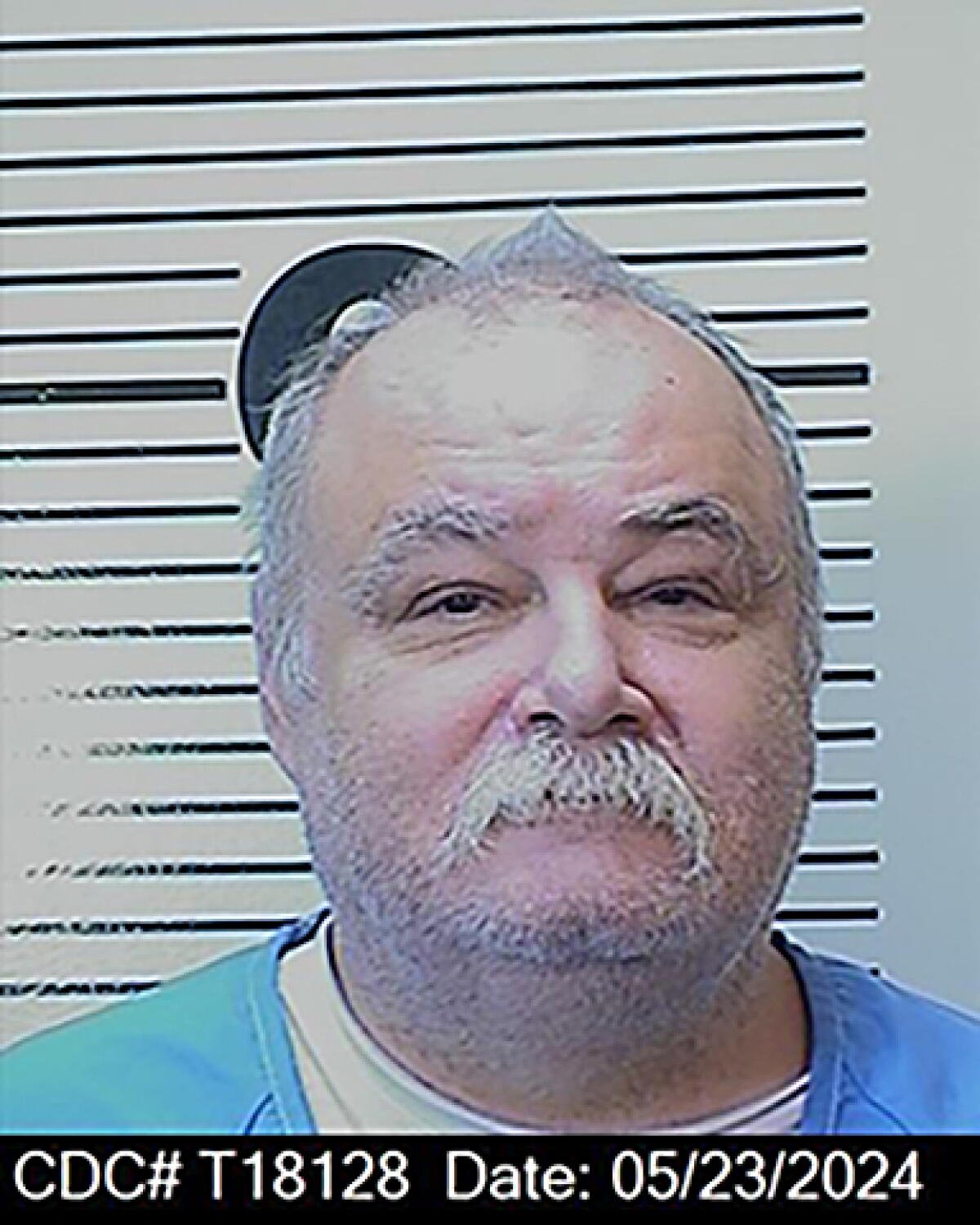
SACRAMENTO, Calif. — Wesley Shermantine, one of California’s notorious “Speed Freak Killers,” died on death row on Sept. 17 at California State Prison, Sacramento. He was 60. The California Department of Corrections and Rehabilitation confirmed his death, while the Sacramento County Coroner’s Office is expected to perform an autopsy to determine the cause.
[IMAGE]
Shermantine never faced the execution chamber. Governor Gavin Newsom placed a moratorium on the death penalty in California in 2019, and the state has since begun dismantling its death rows and integrating condemned inmates into other maximum-security prisons. Shermantine spent his remaining years in high-security facilities before being transferred to the state prison in Sacramento.

His arrest in 1999, alongside childhood friend Loren Herzog, began the legal and investigative journey that lasted for decades. The two grew up as neighbors in Linden, a small farming community, and investigators said they began by killing animals before escalating to human prey. As boys and young men, they explored abandoned mines, ranches, and deep wells in Calaveras and San Joaquin counties—locations they would later use as hidden gravesites.
Shermantine and Herzog terrorized rural San Joaquin County throughout the 1980s and 1990s in what investigators described as methamphetamine-fueled killing rampages. Authorities estimate the pair may have been responsible for anywhere from 12 to 72 homicides, although the exact number of victims remains unknown.
In 2001, Shermantine was convicted of four counts of first-degree murder and sentenced to death. The convictions included the deaths of 19-year-old Cyndi Vanderheiden and 16-year-old Chevelle “Chevy” Wheeler. Herzog was initially convicted of three murders and sentenced to 78 years to life, but an appellate court overturned his convictions in 2004 after ruling that sheriff’s deputies had coerced his confessions during hours of interrogation.
Prosecutors allowed Herzog to plead guilty to voluntary manslaughter rather than risk a retrial. He received a 14-year sentence and, with credit for time served, was paroled in 2010 to a trailer in Lassen County. His release provoked widespread outrage among the victims’ families and the Central Valley community.
The case shifted again in 2012, when Shermantine was housed at San Quentin State Prison and negotiated a deal with Sacramento-based bounty hunter Leonard Padilla. For $33,000, which Shermantine used to pay court-ordered restitution and purchase headstones for his parents, along with minor amenities such as a television for his cell, he agreed to reveal the locations of several burial sites.
After learning that Shermantine was disclosing their secrets to authorities, Herzog committed suicide in January 2012. Shermantine then provided hand-drawn maps from his prison cell, sending law enforcement officers and search teams to properties in Linden. Investigators concentrated on an area he labeled “Loren’s Boneyard” and on an abandoned, water-filled well.
The excavations recovered thousands of human bone fragments, skull pieces, and teeth. Among the remains identified were those of Vanderheiden and JoAnn Hobson, a 16-year-old who had disappeared in 1984. With Shermantine’s death, the remaining secrets of the “Speed Freak Killers” and the locations of their undiscovered victims likely lie permanently buried.