

Stephanie Shih’s Chamoy Still Life Maps a Global Ceramic Journey at LACMA
A new LACMA artwork links blue-and-white ceramics, Mexican Talavera, and chamoy’s trans-Pacific history
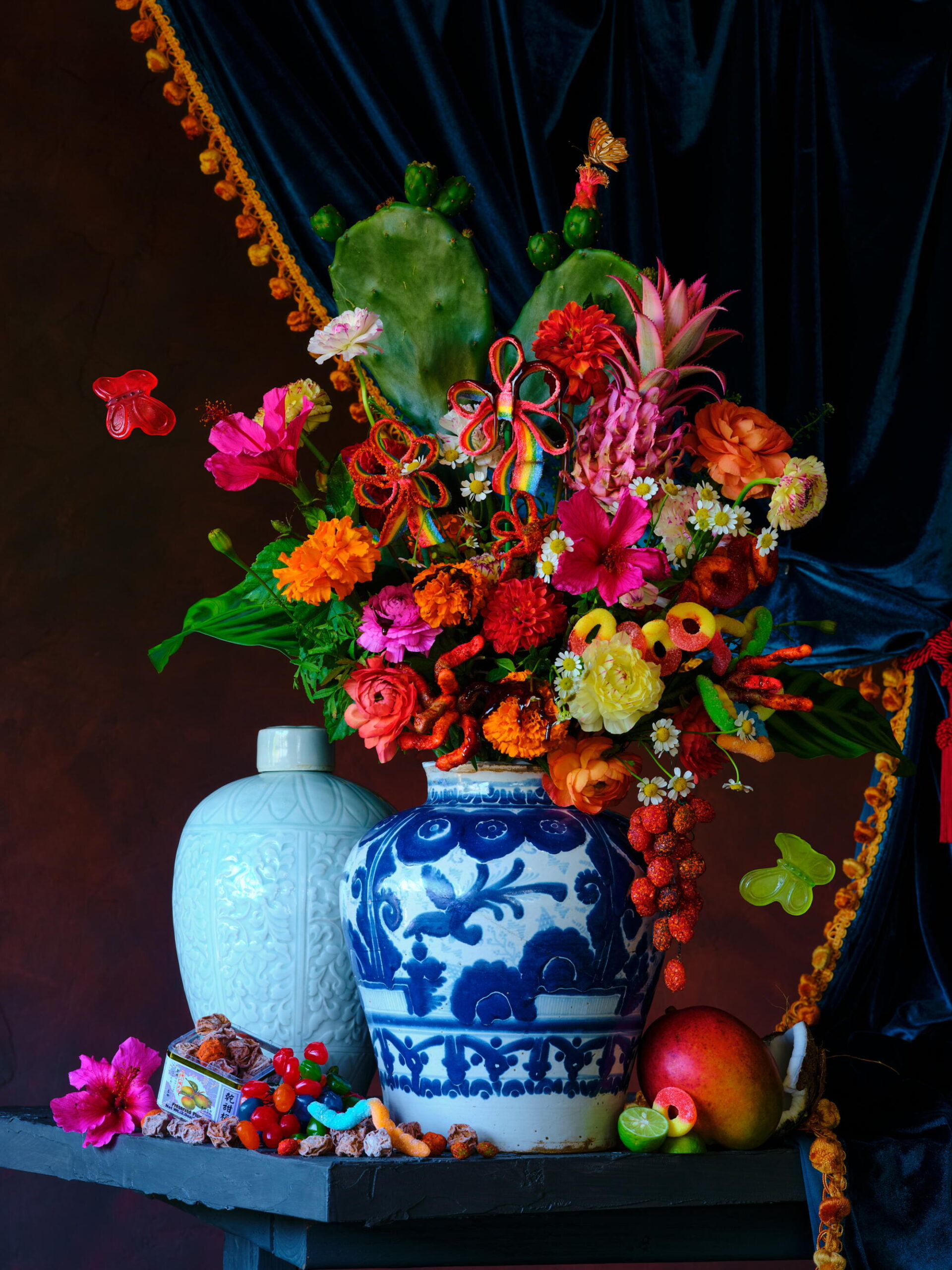
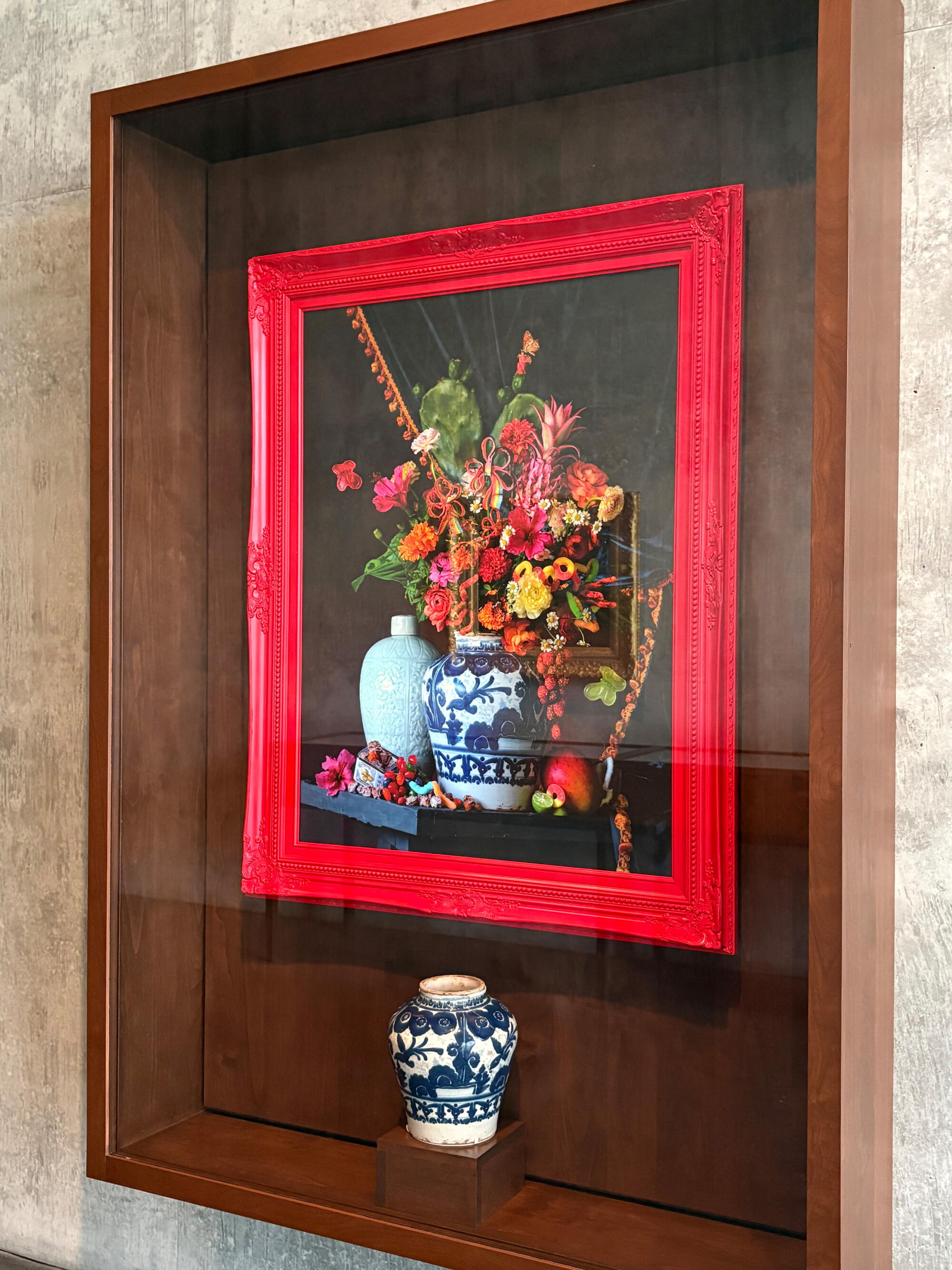
A commissioned photo-based artwork by multidisciplinary artist Stephanie Shih has debuted at the Los Angeles County Museum of Art, where it anchors an exhibition inside the newly completed David Geffen Galleries. The exhibition traces centuries of trans-Pacific trade, colonial exchange, and global ceramic history.
Titled “梅國 (Still life with chamoy and Dirty T Tamarindo),” the work was commissioned by LACMA curator Susie Ferrell and created during Shih’s two-week residency inside the museum in December. It is a 38.25-by-48.25-inch archival pigment print on wood panel, mounted in a custom red acrylic frame.



The piece is part of “The Global Appeal of Blue-and-White Ceramics,” one of the inaugural presentations opening the new building to the public in April 2026. Its focal point includes two ceramic vessels from LACMA’s permanent collection: an 18th-century Mexican Talavera jar in the foreground and a 12th-century Qingbai ware *meiping* jar from China’s Song Dynasty era behind it.
The project is Shih’s first to use an institutional ceramic of non-Asian origin. The term *meiping* translates to “beautiful plum vase,” describing a vessel shape historically produced to hold plum blossoms. From the Talavera jar rises an arrangement of native plants, cut flowers, fresh fruit, chamoy condiments, candies, and a preserved butterfly.
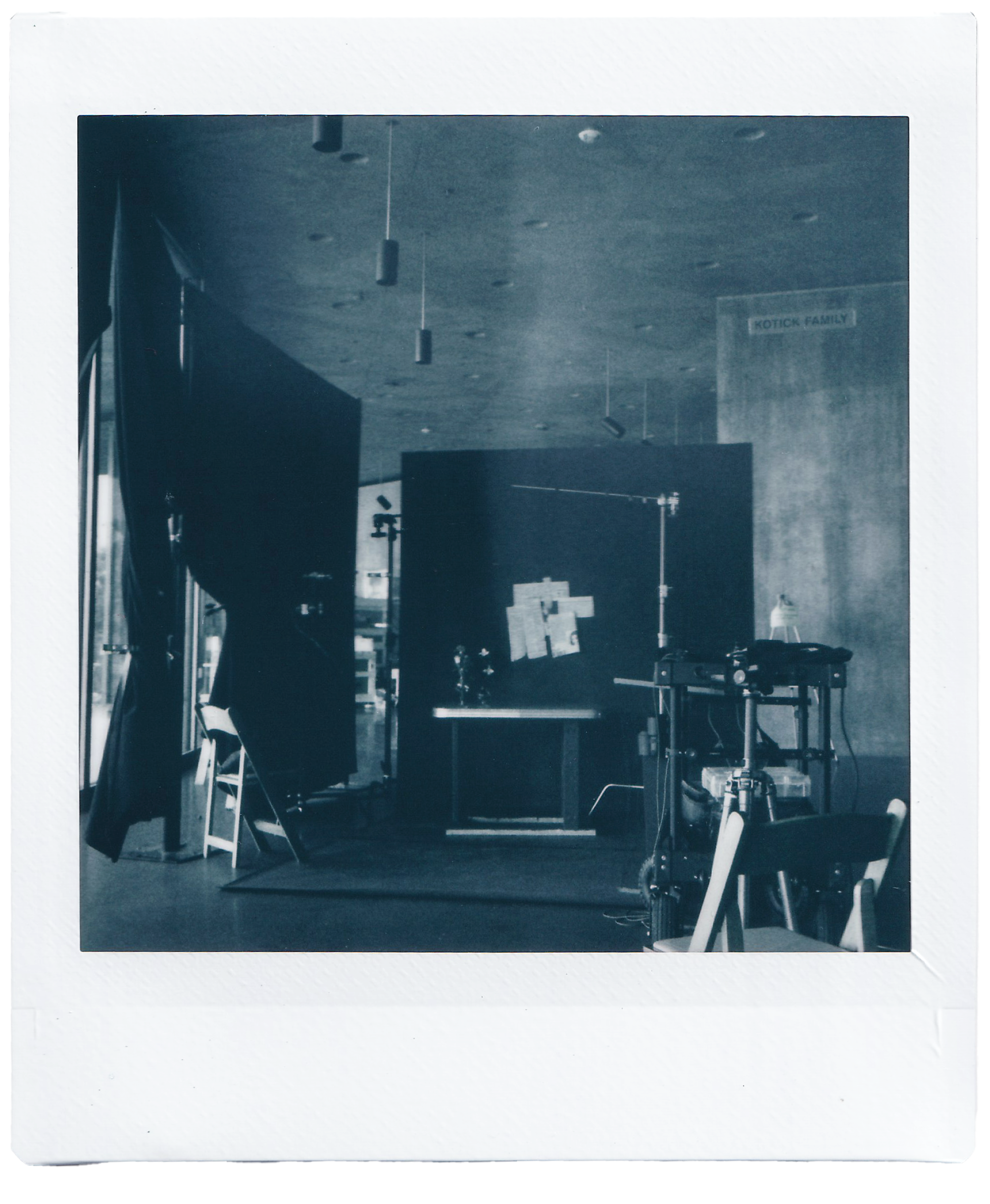
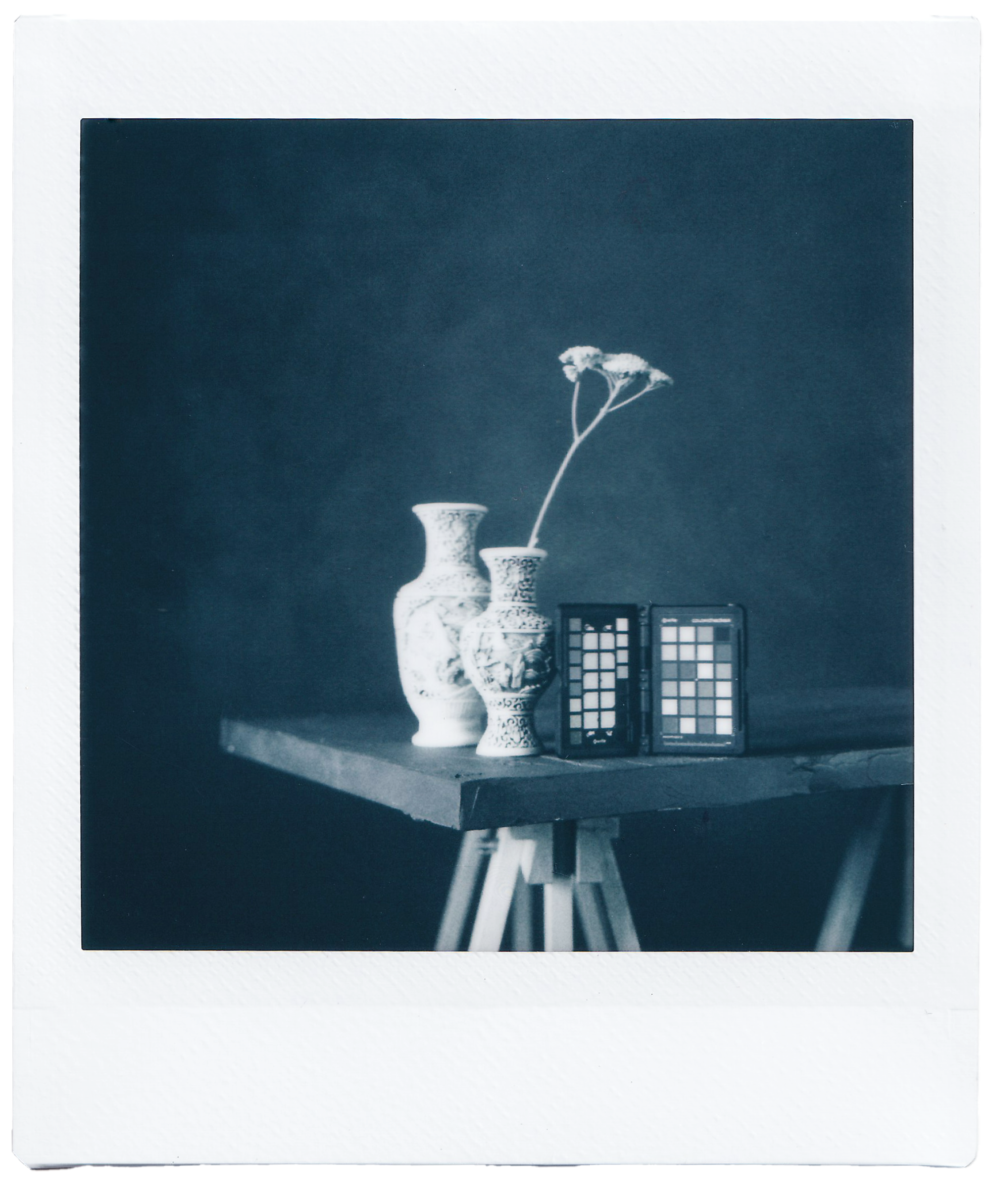
Shih constructed the still life inside a temporary studio set built in the museum gallery while construction workers and curators installed permanent collection objects throughout the building. She worked with natural light from the galleries’ expansive glass exterior, along with temporary worktables and on-site refrigeration units supplied by the museum to preserve perishable produce, flowers, and food items under strict museum conservation standards.
The composition’s red frame deliberately contrasts with the gilded gold framing historically used for European masterworks, challenging traditional Western conventions of art display. Its botanical selections include a prickly pear cactus sourced from the artist’s backyard to represent native North American flora, as well as marigolds and chamomile chosen for their traditional symbolic and medicinal significance in Mexican culture.
Hibiscus and pineapple refer to plant migration across the Pacific Rim and Hawaii’s adaptation of salted plum traditions. Candy stripe ranunculus mirrors the visual patterns and colors of the commercial candies in the foreground, while a California butterfly—a native specimen found in West Hollywood during Shih’s residency period—appears among the preserved elements.
The conceptual foundation of the work parallels the movement of blue-and-white ceramics with the historical migration of chamoy, a sweet, sour, and spicy pickled fruit condiment widely consumed across Mexico and the American Southwest. Both traditions were shaped by early global trade networks across the Pacific and Atlantic Oceans.
Blue-and-white ceramic technology originated in 9th-century Abbasid-era Iraq through the decorative use of imported cobalt. The technique was later combined with Chinese porcelain methods in Jingdezhen, and the style spread through Turkey’s Iznik kilns, East Asia, and Europe.
Spanish trade ships brought blue-and-white ceramics to colonial Mexico, where Indigenous and local artisans adapted the form into the Mexican Talavera tradition centered in Puebla. Chamoy followed a parallel trans-Pacific migration during the Manila Galleon trade era, which lasted from 1565 to 1815 and connected Manila in the Philippines to Acapulco in New Spain.
Asian immigrants and Filipino laborers introduced *champoy* and *kiamoy* to Mexico. These salted, dried sour plum delicacies were rooted in Chinese culinary traditions. Local populations adapted the preserved fruit with Mexican chiles, citrus, and spices, developing modern chamoy.
In Shih’s composition, contemporary chamoy candies produced by Alana Solis appear alongside nostalgic American confections, including peach rings, gummy worms, and Gushers. Solis is the founder of the Tucson-based business Dirty T Tamarindo, which she launched during the COVID-19 pandemic.
The botanical arrangement also draws on the conventions of 17th-century Dutch Golden Age still life painting. Female masters of the period, including Dutch painter Rachel Ruysch (1664–1750), frequently incorporated rare, exotic plant species imported from the Americas—including prickly pear cactus and datura—into floral compositions to reflect expanding global trade networks and scientific exploration.
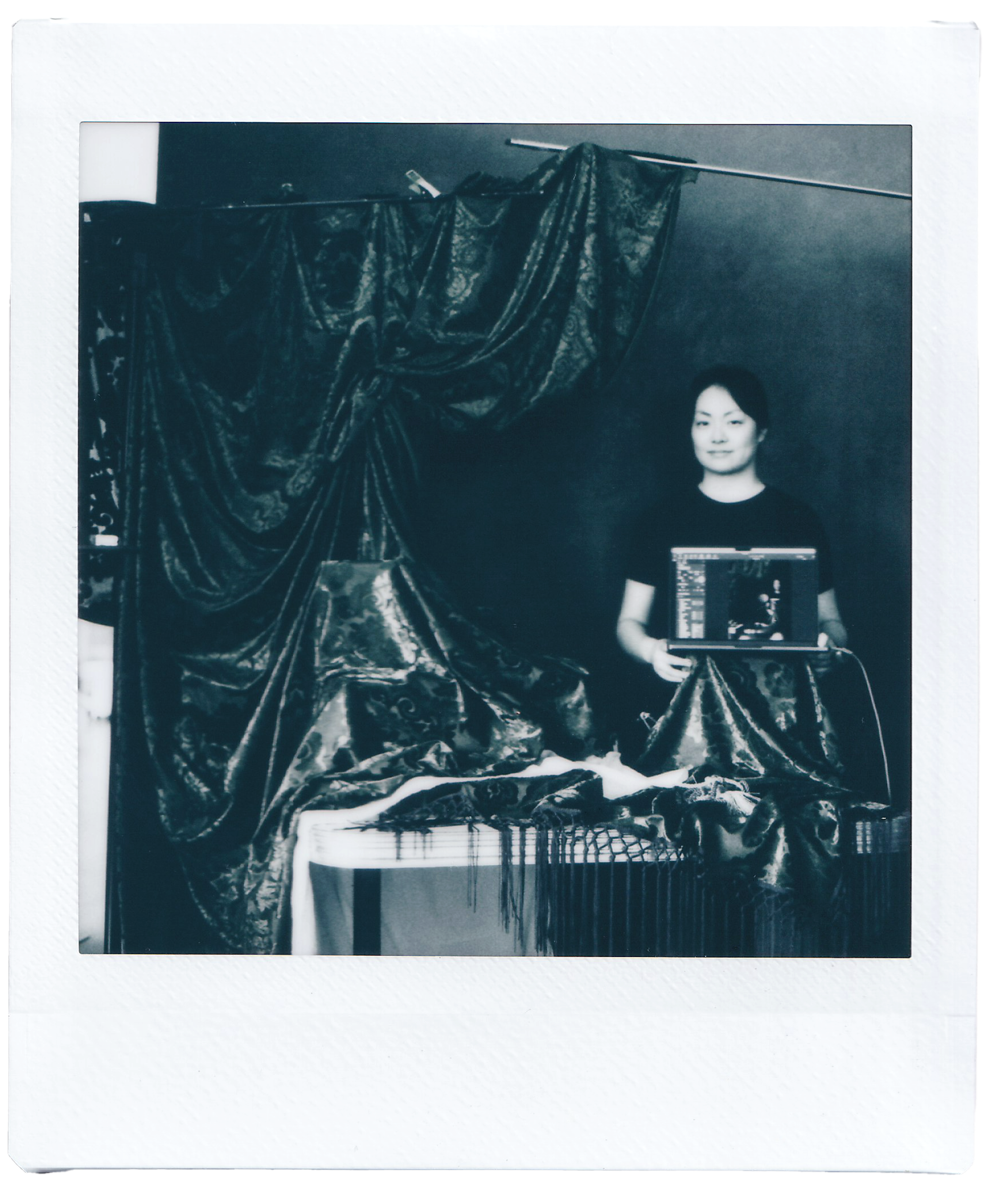
Shih holds a doctorate in linguistics and cognitive science from Stanford University. Her research background informs her artistic examination of symbols, language, and cultural identity, while her broader practice explores how diasporic communities preserve and reconstruct cultural heritage through everyday consumer goods, food products, and domestic items.
The installation forms part of the inaugural program inside the Swiss architect Peter Zumthor-designed David Geffen Galleries, a $715 million facility replacing several older structures on LACMA’s Wilshire Boulevard campus. The building has an open, non-linear floor plan with perimeter glass walls, designed to present art non-chronologically and encourage visitors to encounter thematic connections across geographic regions and historical eras, such as linking contemporary American photography with 17th-century Dutch still lifes from the museum’s Mr. and Mrs. Edward Carter Collection.









