3 Things Flight Attendants Say Passengers Must Stop Doing
Why using the airplane galley as a gym violates FAA safety protocols and slows down cabin service.
Airline galleys serve as crew break rooms, meal stations and emergency equipment hubs — not passenger fitness centers. Yet flight attendants report that travelers routinely use the confined workspace behind the curtain to perform yoga poses, deep stretches and calisthenics mid-flight.
The behavior has drawn fresh attention after a U.S.-based cabin crew member known online as @wingingitwithsil detailed the most disruptive habits she encounters at 35,000 feet. While passengers often justify galley stretching as a health precaution against deep vein thrombosis, aviation professionals say the practice creates safety hazards in an area packed with service carts, hot beverage equipment and emergency exits.



Federal Aviation Administration regulations require airlines to keep aisles and emergency egress paths completely clear during all phases of flight. A passenger executing lunges or downward dogs near a service door can obstruct crew members who are legally required to monitor those exits for sudden depressurization or emergency landings. The FAA mandates that cabin crew complete rigorous safety training before they are ever authorized to serve a drink, making their primary role one of security rather than hospitality.
For travelers concerned about blood clots on long-haul routes, medical experts recommend performing seated ankle rotations, calf raises and knee lifts directly from the assigned seat. Walking briskly down the main aisle when the seatbelt sign is off remains the standard protocol for circulation management, keeping the galley free for operational use.
Physical boundaries represent another persistent friction point between crews and travelers. Despite years of industry campaigns aimed at reducing unruly passenger behavior, flight attendants still report being poked, tapped or grabbed to get their attention. The Federal Aviation Administration recorded more than 1,100 reports of unruly passengers in 2024 alone, maintaining a zero-tolerance enforcement policy that allows the agency to levy civil penalties exceeding $35,000 per violation. Touching a crew member without consent falls under federal interference statutes outlined in Title 49 of the U.S. Code, which makes it a crime to assault or intimidate anyone performing aviation duties.
Crew members advise using the overhead call button, establishing eye contact or offering a verbal greeting instead of initiating physical contact.

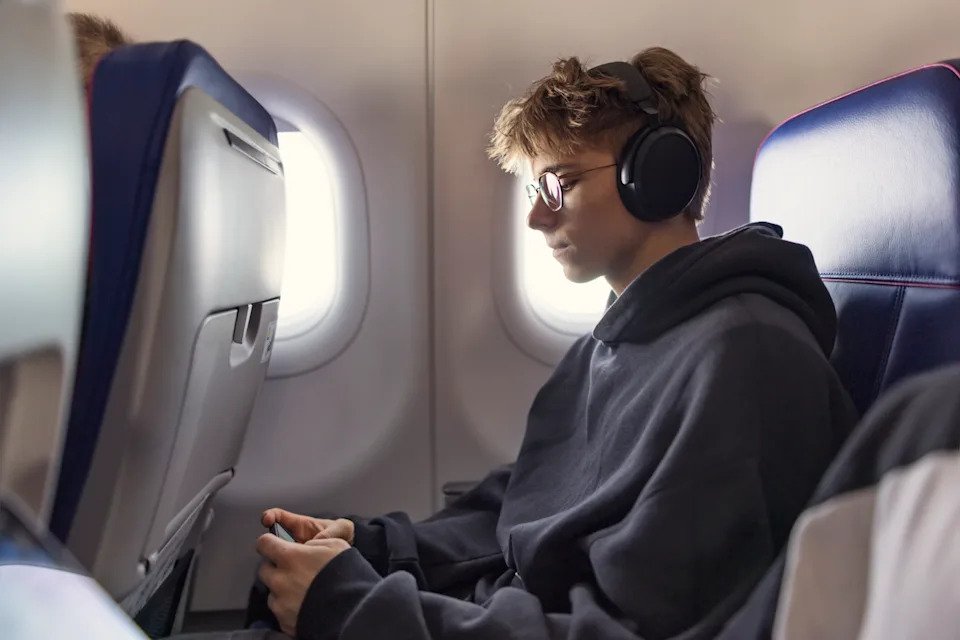
Noise-canceling technology has introduced a third logistical headache. The widespread adoption of wireless earbuds and over-ear headphones means cabin crews frequently attempt to take beverage orders or relay safety instructions to passengers who cannot hear them. The resulting delays slow down service cycles across the entire aircraft, forcing attendants to repeat themselves multiple times per row. On narrow-body jets operating tight turnaround schedules, even minor service bottlenecks can impact overall flight punctuality.
Removing headphones or pausing audio playback during direct interactions with the crew eliminates these compounding delays.
The Association of Professional Flight Attendants, which represents over 30,000 cabin crew members at American Airlines, continues to lobby Congress for stricter enforcement of existing interference laws and better legal protections for workers facing harassment in the cabin. Similar union efforts across Delta Air Lines and United Airlines have pushed major carriers to implement internal policies allowing crews to ban abusive passengers from future flights entirely.