Why Draft, Canned, and Bottled Beer Taste Different
Oxygen infiltration, UV degradation, and dispensing mechanics explain why the same brewery recipe delivers three different drinking experiences.
The identical beer poured from a tap, cracked from an aluminum can, or uncapped from a glass bottle will deliver three distinct sensory experiences. The divergence has nothing to do with the recipe leaving the brewery. It comes down to how oxygen, ultraviolet radiation, and carbonation physics interact with the liquid inside each specific vessel.
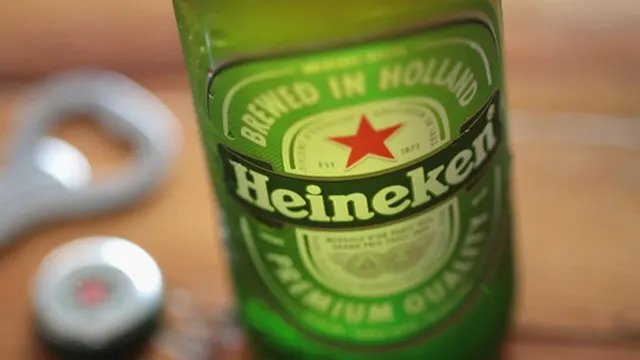
Understanding these chemical and mechanical variables explains why a pint of Heineken at a corner bar rarely matches the one in your refrigerator, and why brewers increasingly favor certain packaging over others for specific styles.



Oxygen is the primary enemy of packaged beer. When O2 infiltrates a container, it triggers oxidative staling, producing compounds that taste like wet cardboard or sherry. Crown caps on glass bottles are particularly vulnerable to microscopic seal failures during transit, allowing gradual gas exchange. Aluminum cans, sealed by double-seaming the lid directly onto the body after filling, maintain a near-hermetic environment that drastically reduces total packaged oxygen (TPO). Kegs, when properly purged with carbon dioxide before filling, offer similar protection until they are tapped.
Light exposure drives a separate chemical reaction. Ultraviolet and blue-violet wavelengths react with isomerized alpha acids derived from hops, breaking them down into 3-methyl-2-butene-1-thiol. This compound is chemically identical to the spray of a skunk, which is why light-struck beer carries that unmistakable odor. Clear and green glass offers almost no defense against this photodegradation. Amber glass blocks the majority of harmful UV rays, while opaque ceramic vessels — such as those used by Belgian brewery Delirium — eliminate light damage entirely. Aluminum cans block all light by default.

Carbonation levels dictate more than just fizz. Dissolved CO2 forms carbonic acid, which lowers the pH of the beer and sharpens its perceived bitterness. In draft systems, bars use blended gases — typically a mix of CO2 and nitrogen — pushed through regulators calibrated to the exact pressure required for the specific style. Nitrogen, which is far less soluble in liquid than CO2, creates smaller bubbles and a denser foam head without adding acidity, softening the mouthfeel of stouts and porters.
Cans historically could not replicate this texture. That changed with engineered solutions. Guinness developed the Nitrosurge device, a reusable ultrasonic attachment sold for roughly $45 that agitates the liquid upon pouring to induce nitrogen cavitation, mimicking a traditional nitro tap. Asahi integrated similar physics directly into its packaging, designing cans with microscopic internal bumps that trigger a dense foam head the moment the tab is pulled.
The assumption that aluminum inherently ruins flavor is outdated. Early metal cans did leach metallic notes into acidic liquids, but modern beverage cans are sprayed with food-safe epoxy or polymer linings during manufacturing. This barrier completely isolates the beer from the raw metal, ensuring the liquid only tastes what the brewer intended.

While cans dominate the U.S. craft market — accounting for over 70% of craft packaging volume by recent Brewers Association estimates due to their lighter shipping weight and superior barrier properties — glass retains specific scientific advantages depending on the style. A 2023 study published in ACS Food Science & Technology demonstrated that malt-forward beers like amber ales develop fewer unwanted chemical changes in flavor compounds when aged in bottles rather than cans. Conversely, heavily hopped IPAs remained stable regardless of the packaging type, suggesting that hop oils degrade at similar rates in both materials if oxygen is controlled.
Draft beer remains the most volatile variable. An untapped keg protects beer flawlessly, but the dispensing system introduces severe risk. Commercial draft lines require chemical cleaning every two weeks to prevent biofilm buildup. Bacteria such as Lactobacillus and Pediococcus colonize dirty tubing rapidly, introducing sour or buttery off-flavors known as diacetyl. If a bar fails to balance its gas pressure correctly, the beer pours flat; if the glycol cooling system malfunctions, serving temperatures rise, volatilizing aromatic compounds that were meant to remain muted by the cold.
Because consumers cannot control how a distributor stored a case or how a bartender maintains their lines, packaging integrity remains the most reliable indicator of quality. The Brewers Association recommends consuming most standard IPAs and pale ales within 90 days of their packaging date, while higher-alcohol imperial stouts and barleywines can age gracefully for years under proper cellar conditions.