

Why $100,000 No Longer Feels Like Enough
Six-figure households are turning to discount stores as inflation reshapes American spending
WASHINGTON — A survey conducted by the Harris Poll found that 64% of six-figure earners now view a $100,000 salary not as a milestone of professional or personal success, but as the absolute baseline required to stay afloat. Persistent post-pandemic inflation, soaring utility bills, and geopolitical energy shocks have continued to squeeze household budgets.
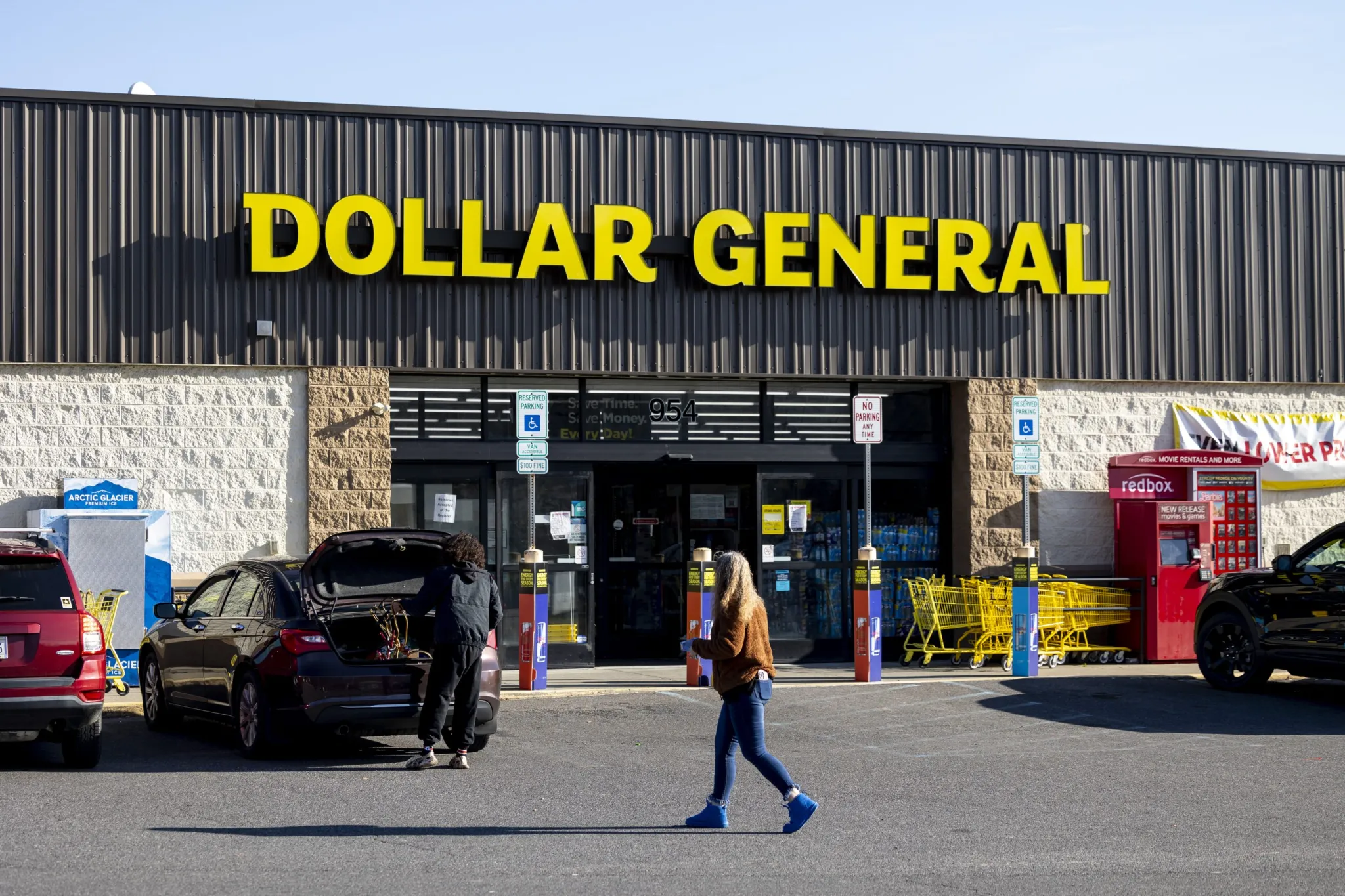
Dollar General CEO Todd Vasos described the resulting behavior at the Goldman Sachs Global Consumer and Retail Conference. He said sustained inflationary headwinds have forced middle- to upper-middle-income shoppers to act remarkably like lower-income consumers.
The shift is visible across discount retail. Walmart previously disclosed a notable influx of higher-income shoppers seeking relief from elevated grocery prices. Now, deep discounters such as Dollar General are reporting a steady rise in patronage from households earning six figures, even though those consumers historically frequented traditional supermarkets and mid-tier department stores.


Dollar General’s core customer base is defined by the company as households earning less than $45,000 annually. When retail gasoline prices cross $4 per gallon, these shoppers tend to travel shorter distances, buy goods closer to home, increase the frequency of their shopping trips, and reduce the transaction size of each visit. Vasos observed that families further up the income ladder are now adopting the same defensive shopping strategies.
The national average price for a gallon of gasoline has reached $4.476, up from $3.189 a year ago. Global oil market disruptions stemming from President Donald Trump’s foreign policy actions and escalating tensions with Iran have heavily driven the surge.
Diesel has climbed to $6.50 a gallon. Because the vast majority of consumer goods in the United States are transported by commercial trucking, higher diesel prices act as a direct tax on retail supply chains. Manufacturers and retailers are passing those transport costs to consumers through higher shelf prices.
Goodlettsville, Tennessee-based Dollar General operates more than 19,000 stores across the country and maintains roughly 2,000 items priced at or below $1. Vasos emphasized that this ultra-low-priced inventory remains highly attractive to consumers facing the current macroeconomic environment.
According to Vasos, compounding financial pressures have eroded the purchasing power of wealthier households to the point that they no longer feel financially secure. Dollar General is hearing from consumers in the $100,000-and-above bracket who explicitly say they no longer feel like high earners because of the rising costs of daily living.
Faced with uncertain weekly budgets, consumers buy what they can, when they can. The migration to discount stores has taken place even as overall consumer spending has shown resilience, largely sustained by a highly stable national employment landscape.
The U.S. retail sector has posted consistent gains. A recent retail sales report showed a better-than-expected 1.2% overall increase in August, along with a 1.1% gain when volatile gasoline sales were excluded. This resilience suggests that Americans have not stopped spending but are aggressively optimizing where they spend.
Financial strain is also evident among households earning $200,000 or more. According to the Harris Poll survey, 64% of these households have used tactical financial behaviors typically associated with lower-income brackets, including credit card rewards points to pay for daily essentials. Another 50% have used “buy now, pay later” (BNPL) installment services to finance purchases under $100, while 46% report relying directly on revolving credit card debt to cover standard monthly shortfalls.
Some financial strategists say traditional definitions of the U.S. poverty and middle-class thresholds are deeply outdated. Michael Green, chief strategist and portfolio manager for Simplify Asset Management, argued that conventional metrics fail to accurately capture the true cost of modern American life, including heavy fixed expenditures such as caregiving, car payments, insurance, utilities, and food.
Green posits that if the nation’s financial “crisis threshold”—the income floor below which a household can no longer functionally maintain basic stability—were updated to match current spending patterns and inflation realities, the true economic survival line would sit at approximately $140,000.









