

U.S.-Canada $20 Billion Trade Dispute Puts Border-State Industries and Senate Races Under Pressure
Auto supply chains and construction costs are exposed as candidates respond to voter concerns over tariffs.
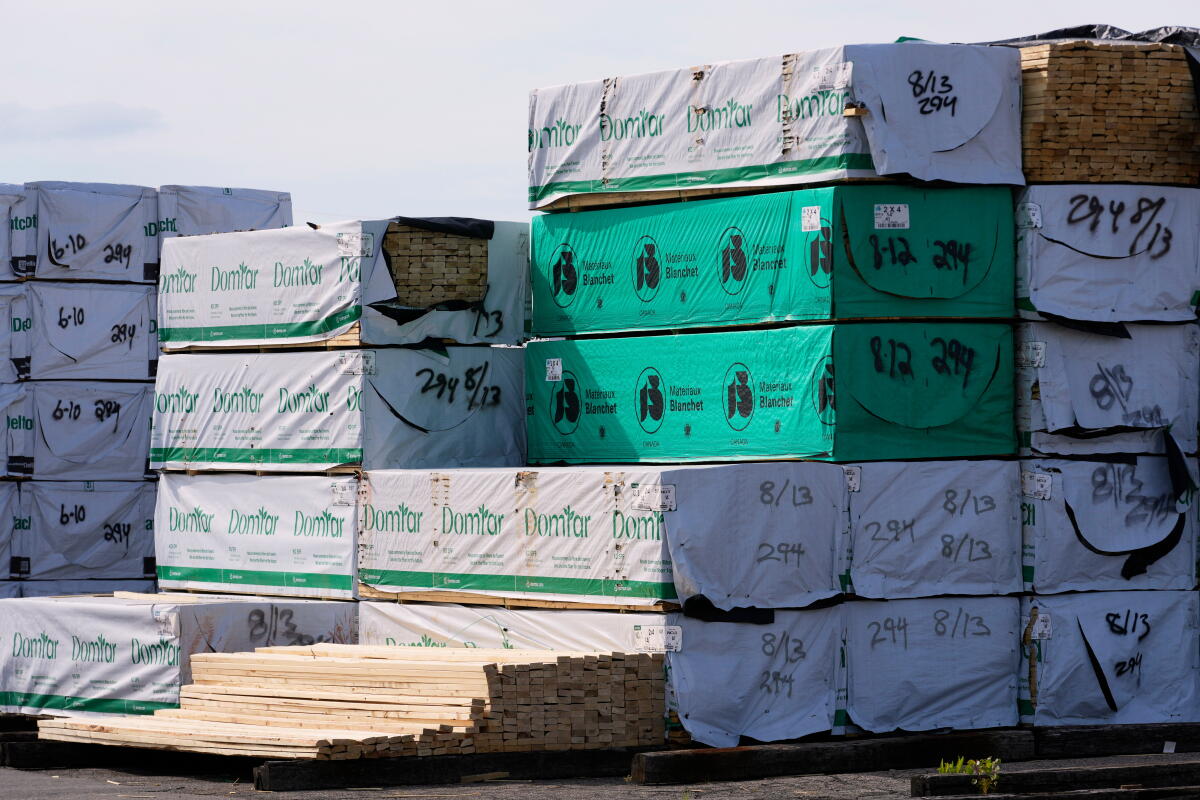
WASHINGTON — The United States and Canada have imposed opposing tariff packages covering about $20 billion in goods each, disrupting cross-border supply chains less than six weeks before U.S. midterm elections. U.S. import bans on Canadian dairy and alcohol products are scheduled to take effect next week, adding to cost pressures in manufacturing and agricultural regions where candidates are already facing voter anxiety over inflation.
The current confrontation began in July, when the White House threatened new 50% tariffs on a range of Canadian goods, reviving a conflict that first flared in 2025. Bilateral talks collapsed in late August, and Washington finalized tariffs on approximately $20 billion in Canadian imports. Ottawa responded on Sept. 8 with an equivalent $20 billion package targeting American industrial, agricultural and consumer products.
The effects are especially acute in the Great Lakes automotive corridor. Under the rules of origin in the United States-Mexico-Canada Agreement (USMCA), auto parts can cross the border several times during assembly. Tariffs on primary metals, steel and completed components threaten the just-in-time networks used by domestic automakers and raise production costs. On Wednesday, President Donald Trump also criticized Ottawa on social media, claiming its immigration policies were causing domestic economic instability and calling Canada’s governance a “Liberal takeover.”


Canada’s retaliatory measures reach machinery made in Illinois, iron and steel products from Ohio, and aluminum and pipe products from New York. In California, approximately 10.5% of all Canadian imports are now exposed to Ottawa’s counter-tariffs. The dispute has also renewed attention to Canadian softwood lumber, a long-standing source of friction: U.S. builders rely heavily on imported timber for home framing, leaving residential construction costs exposed to tariffs.
Those industries overlap with the Senate map. Democrats are defending a narrow majority, and five of the nine states considered most critical to the outcome border Canada: Alaska, Ohio, Michigan, New Hampshire and Maine. Two other major trade hubs, Texas and Iowa, conduct billions of dollars in annual commerce with Canada. Generic ballot polls show voters favoring Democrats by up to 12 points nationally, while Republican candidates in competitive border states face the difficulty of addressing inflation concerns without alienating the administration’s core supporters.
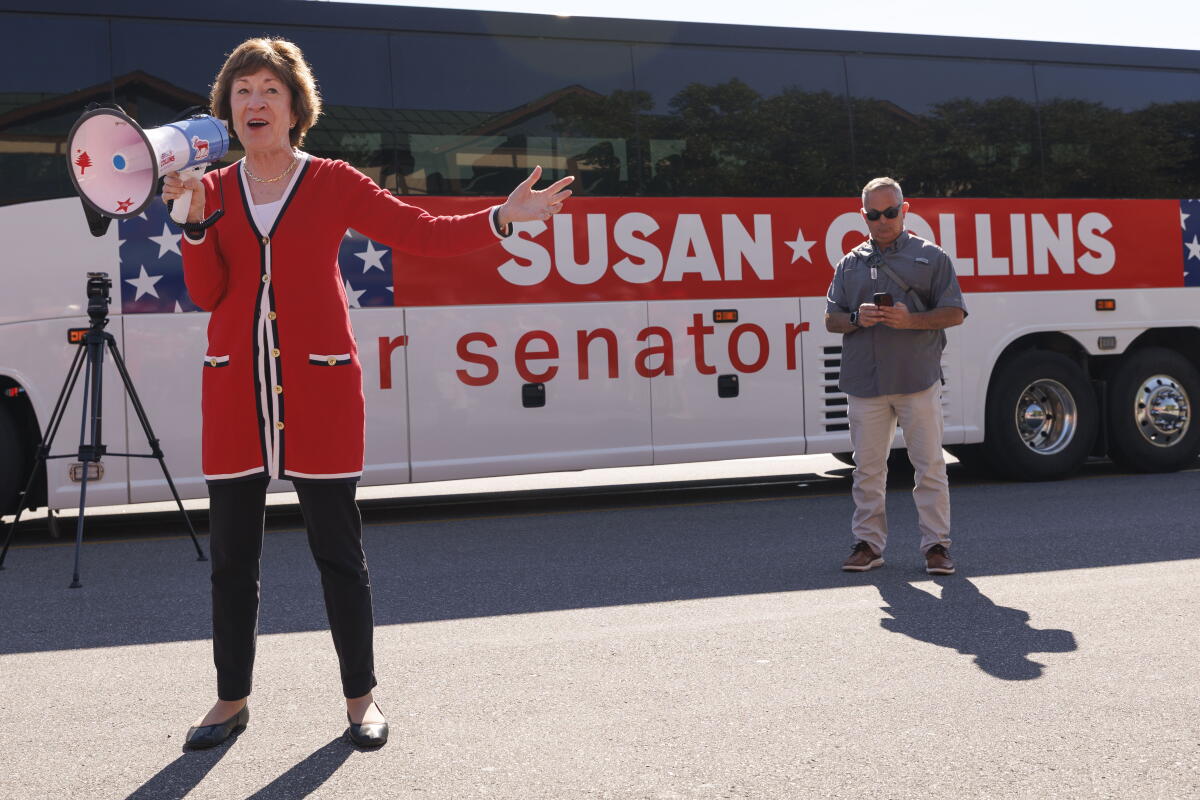
Some Republican candidates have broken openly with the tariff policy. In Maine, Sen. Susan Collins lobbied the White House to protect local industries and secured exemptions for road salt and cement imports. She said the administration had “very much underestimated” the tariffs’ negative impact on Maine’s economy. Split-ticket voting and independent political identities are common in New England; in neighboring New Hampshire, former Senator John Sununu, who is running to reclaim his seat, called the trade conflict illogical and indicated he would support bipartisan legislation limiting a president’s unilateral authority over tariffs.
Elsewhere, Republican candidates have been more cautious about alienating blue-collar voters who favor protectionist measures. Mike Rogers, the Republican nominee for Michigan’s open Senate seat and a former representative, told reporters he supports “good” tariffs that protect local manufacturing but opposes “bad” tariffs that raise the cost of doing business in the state. In Ohio, former Senator Jon Husted said voters want clarity about the administration’s broader trade goals. Alaska Republican Senator Dan Sullivan has largely avoided the dispute as local Democrats seek to make its economic fallout a central campaign issue.
A study published in the Journal of Monetary Economics found that Canadian counter-tariffs in previous disputes raised prices on targeted goods by 6%. Alex Durante, a senior economist at the Tax Foundation, said the overall consumer price index might not rise sharply, but the tariffs reinforce a public perception of an ongoing affordability crisis. The USMCA, which succeeded NAFTA in 2020, was designed to keep most sectors duty-free, though the executive branch retains broad tariff powers under national security provisions of the Trade Expansion Act of 1962 and enforcement measures under the Trade Act of 1974.
Public polling shows opposition to further measures against America’s largest exporting partner. An Economist/YouGov poll found that a majority of Americans opposed additional tariffs on Canadian goods, including 64% of self-identified independents. A late August Ipsos poll found that only 14% of independents supported expanding tariffs on Canada. In Michigan, a Washington Post/Schar School poll found that 68% of independent voters disapproved of the tariffs; in a September focus group of Michigan swing voters conducted by Engagious, 11 of 13 participants described the trade friction as harmful to the state’s economy.









